




How to Get the Most Out of Your First Time at GFX
Attending a conference for the first time can be a daunting experience. Here are five tips for first-timers to the Government Fleet Expo & Conference, from an attendee's perspective.

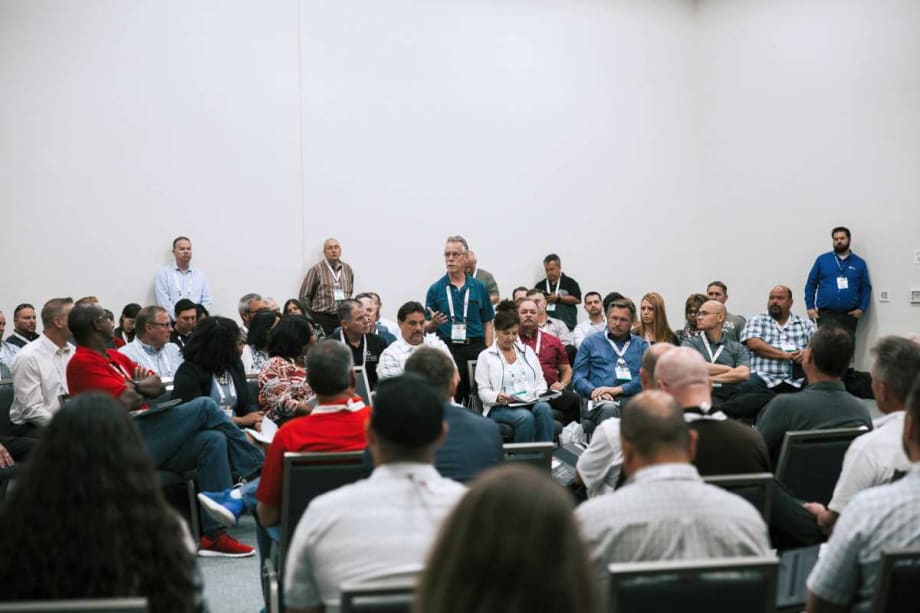
Session attendees at GFX 2018 in San Diego
Attending a conference for the first time can be a daunting experience, with unfamiliar faces, unfamiliar session formats, and perhaps an overwhelming number of suppliers to learn about.
That’s why the Government Fleet Expo & Conference (GFX), the largest gathering of public fleet managers in the nation, developed a First Timers’ Orientation for first-time attendees to talk to conference organizers, plan out their schedules, and meet with other first timers.
Additionally, here are five tips for those new to GFX from Mark Stevens, fleet manager for the City of Sacramento, who attended GFX for the first time in 2018 and is a 2019 advisory board member:
Review the schedule to understand what topics are being discussed and focus on attending breakout sessions
Don’t be afraid to challenge yourself by attending sessions that you are familiar with, to see how other agencies operate
Challenge yourself and attend sessions you believe may not be attainable for your operation, such as sustainability. You might be surprised how establishing goals in a different direction may reduce your operating costs
Ask questions, and not just at sessions. There is no other organization where professionals exchange ideas and information as freely and willingly as the government fleet profession.
Have fun! Meet other professionals and exchange ideas and contact information. You never know when you might need someone else's expertise.
Plan out your conference experience and connect with other attendees at GFX’s First Timers’ Orientation, which takes place on Monday, June 17 at 9 a.m.
More Operations

How St. Johns County Turned Fleet Data Into Better Replacement Decisions
St. Johns County, Florida, had fleet data, but turning it into reliable decision guidance was another matter. Instead of starting over with a new fleet management system, the county connected existing tools and built a scoring system that gives managers an objective look at fleet health.
Read More →
Fleet Forward Conference Introduces One-Day Passes for 2026
New one-day registration lets fleet professionals attend Tuesday, Wednesday, or Thursday, with passes available for $249.
Read More →
ENC Unveils its ZAVIR Medium-Duty Shuttle
Two variants of the concept shuttles were revealed: a low-floor configuration and a high-floor configuration.
Read More →
Could Your Next Fleet Technician Start as an Intern?
What if your next technician hasn’t worked in a fleet shop yet? What fleets are doing to free up time.
Read More →
How Phoenix Is Building Its Next Generation of Fleet Technicians
With more than 8,000 vehicles and pieces of equipment to maintain, the City of Phoenix could not afford to wait for fully trained technicians to walk through the door. Instead, they revamped their entire workforce strategy and showed how public fleets can create their own talent pipeline while preparing existing employees for increasingly complex vehicles.
Read More →
What’s Slowing Your Fleet Down?
Could a change in how work gets done help your fleet return vehicles to service sooner?
Read More →
Can Public Fleets Trust the Data Driving Their Decisions?
Public fleets have more data than ever, but inconsistent records and missing information can still undermine maintenance, replacement, and cost decisions.
Read More →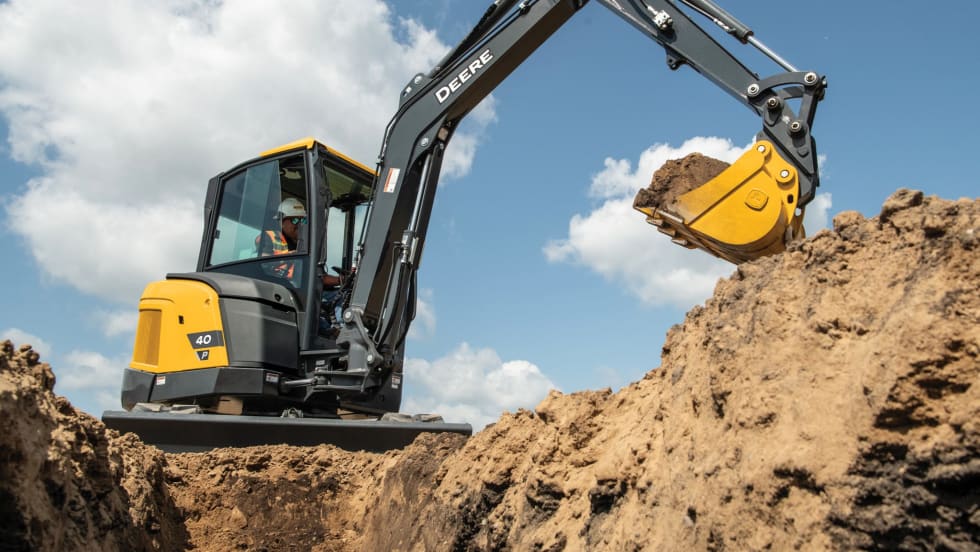
John Deere Introduces 40 P-Tier Compact Excavator
John Deere is adding a compact excavator designed for crews that need to move equipment between jobsites and handle multiple types of work with one machine. The 40 P-Tier weighs less than 10,000 pounds and offers configurable hydraulics, attachment options, and connected fleet-management capabilities.
Read More →
How Leading Fleets Improve and Why Business Plans Matter
This week, we look at what past Leading Fleet winners can teach us about making progress, plus how to build a business plan your fleet will actually use.
Read More →
Nominate a Fleet Leader for the 2027 Public Fleet Hall of Fame
Do you know a fleet leader who has made a lasting impact on the industry? Nominate this fleet professional for the 2027 Public Fleet Hall of Fame.
Read More →