




Law Enforcement for the Lone Star State: A Closer Look at the Fleet
The Texas Department of Public Safety Fleet Operations is committed to ensuring its drivers have the safest and most reliable fleet vehicles to perform their duties.
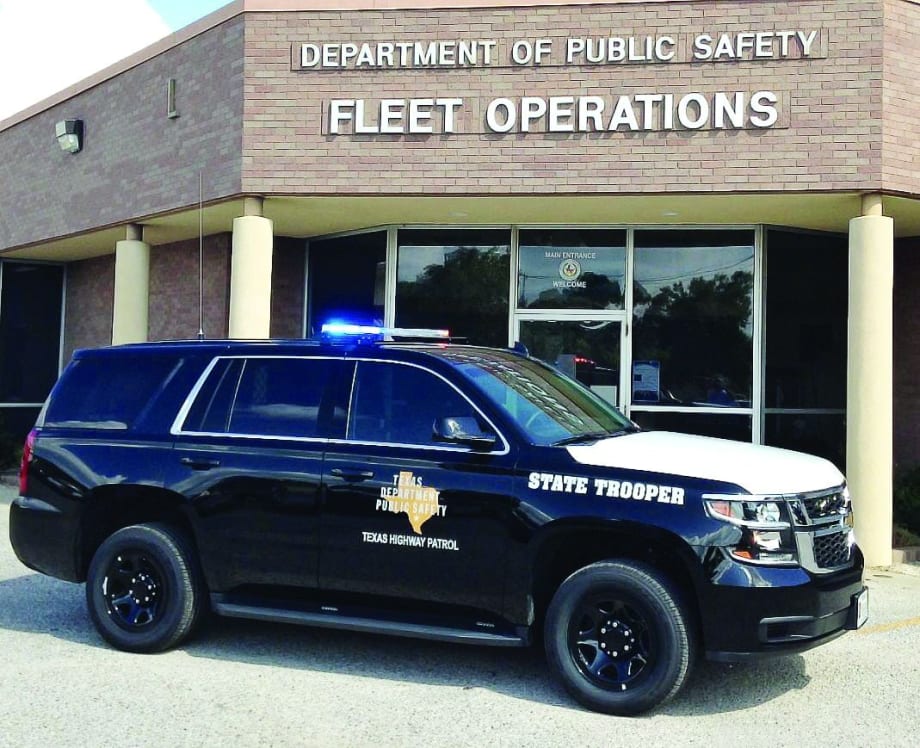
About 2,800 vehicles serve the Texas Highway Patrol, including Dodge Chargers, Ford Crown Victorias, and approximately 900 Chevrolet Tahoes.
Photo: Texas DPS
Nearly 5,000 vehicles are assigned to the Texas Department of Public Safety (DPS) to assist its employees in performing a variety of duties as they carry out the mission of protecting and serving the people of the Lone Star State.
“Our goal is to make sure our staff has the best vehicles available and any equipment they need, so when they are patrolling or traveling, they are as safe as possible,” said Brian Reynolds, the director of Fleet Operations at DPS.
A Full-Service Patrol Fleet Operation
Fleet is responsible for acquiring, upfitting, maintaining, and remarketing all Texas DPS cars and vehicles.
In addition to Texas Highway Patrol vehicles, DPS Fleet Operations oversees vehicles for:
The Texas Rangers.
The Criminal Investigation Division.
Capitol Detail.
Intelligence and Counterterrorism Division.
Driver License Division.
Texas Division of Emergency Management.
The Administration Division.
A number of other sections, including DPS Texas Marine Unit boats.
Reynolds expects the DPS fleet to surpass the 5,000-vehicle mark this year. Of the current total, about 2,800 to 2,900 vehicles serve the Highway Patrol — including Dodge Chargers, Ford Crown Victorias, and approximately 900 Chevrolet Tahoes. Texas Rangers use mostly pickup trucks, with the majority being Ford F-150s.
The department writes the specs for vehicles, places requisitions, and participates in the bidding process. Some of its vehicles are upfitted prior to arriving at the department; for other unmarked and specialty vehicles, the department handles upfitting in-house.
Reynolds oversees a primary shop in Austin with 10 full-time equipment installers, a repair shop with about 12 technicians, and a body shop with two technicians. He also oversees four outlying shops across Texas; three of them include two technicians and a supervisor, and those include a testing facility and a training center. The fourth, located in Rio Grande Valley at the Texas-Mexico border, includes four technicians and a supervisor. An additional two-person facility is planned in Corpus Christi in the future.
Maintaining a Well-Traveled Highway Patrol Fleet
The Texas State Legislature sets the budget biannually, and during the 2015 session the legislature authorized the addition of 250 trooper positions to be assigned to the border regions.
“Those 250 new troopers, as with all of our troopers, will be assigned a patrol unit,” Reynolds said.
Additional projected fleet growth should result in a big mileage increase for the DPS fleet, which put on about 115 million miles in 2015.
“I believe we are probably one of the highest-mileage law enforcement fleets in the nation,” Reynolds said. “We have an incredible amount of area to cover, an amazing amount of terrain, and an amazing amount of geography that we have to deal with.”
Reynolds and his team work closely with departments to make sure vehicles have air conditioning, especially in brutal summer heat. The team works closely with the department’s K-9 units, equipping the vehicles with K-9 heat alert systems. “We protect those service animals very carefully,” Reynolds said.
He and his team keep the vehicles well maintained for all that mileage. Its Weslaco shop is now operating two shifts, open 16 hours a day. The Austin shop is open 10 hours a day. The fleet does approximately half of its own maintenance and outsources the rest, “simply due to the fact that the geography and distance prevents us from being everywhere we need to be,” Reynolds said.
The fleet has traditionally replaced its vehicles every 100,000 miles, but that has edged up to 130,000 lately because of increased activity, causing additional wear and tear. Extreme weather conditions such as high heat and sometimes significant flooding also cause wear and tear.
“You’ve got the flash flood capital here in central Texas, where thunderstorms create flash flooding challenges on a regular basis in the springtime. We have lowlands along east Texas, from Longview to Houston. We’ve got the coastal issues, in some cases there could be flooding there, but there hasn’t been since I’ve been here. Then you’ve got snow in the wintertime in the northern part of the state, desert in the western part of the state, and it’s just a huge variety we need to prepare for,” he said.
With the high mileage and varied terrain fleet drivers encounter, Reynolds can’t help but hear some interesting stories from the Texas DPS field staff when their fleet vehicles come in for repairs.
“We’ve had vehicles get stuck in the sand in the state’s desert terrain and, not surprisingly since we’re in Texas, we’ve even had fleet accidents with livestock,” Reynolds said. “We are here to do whatever we can as a fleet operations section to support the department’s different duties and also address any vehicle incidents that may occur along the way.”
More Police
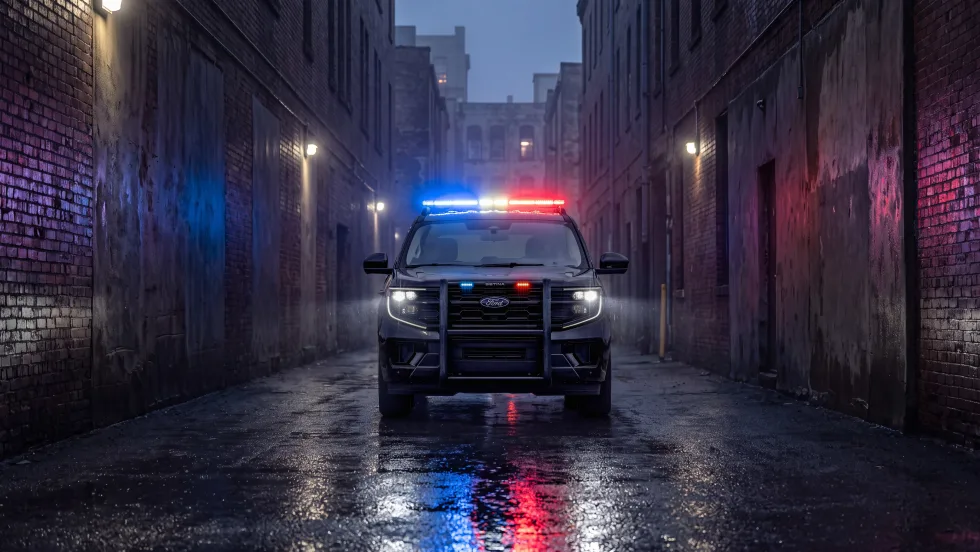
Ford Pro Introduces Full-Size 2028 Expedition Police Responder
Ford Pro gave law enforcement customers a first look at the pursuit-rated utility during Police Fleet Expo.
Read More →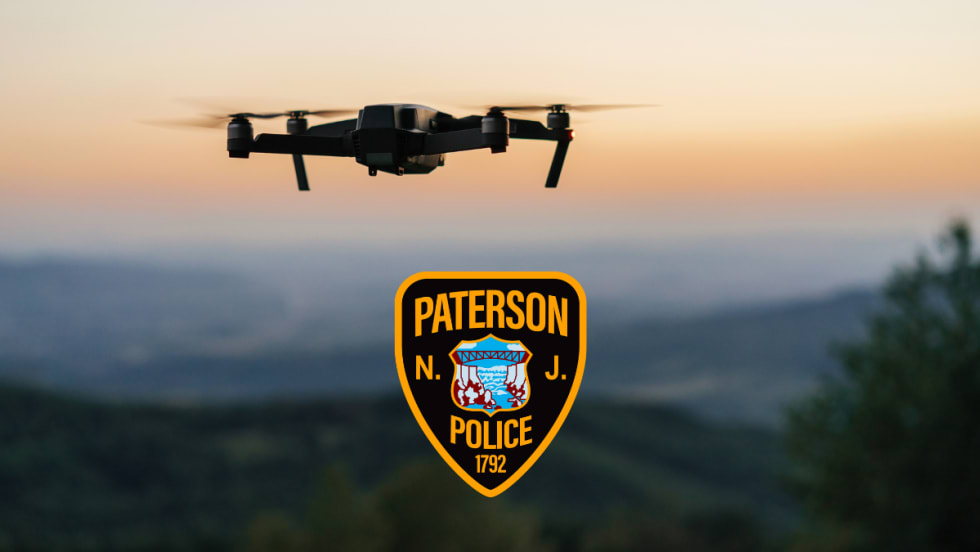
Paterson Police Expand Drone Fleet, Launch Real-Time Operations Center
The Paterson Police Department has expanded its drone program and opened a new Real-Time Operations Center designed to support emergency response and incident management. The initiative integrates multiple technologies to provide officers with real-time information during investigations and public safety operations.
Read More →
Why Public Fleet Success Depends on More Than the Vehicles
Tim Coxwell of the Leon County Sheriff’s Office discusses the projects shaping his fleet operation, including long-term work around vehicle selection, greenhouse gas emissions, and cost per mile.
Read More →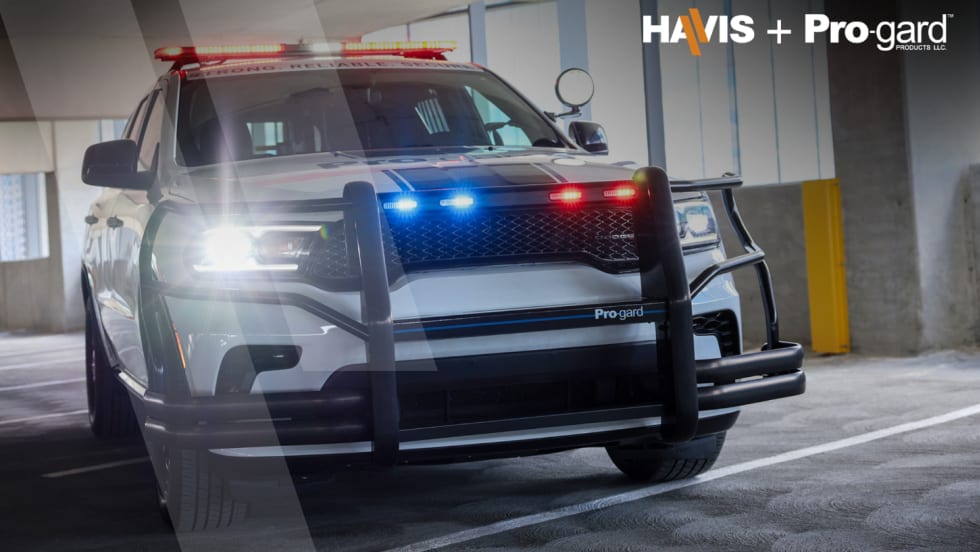
Havis Acquires Pro-gard Products
The acquisition brings together two manufacturers of public safety vehicle equipment under one company. Havis says the move expands its portfolio of products for outfitting law enforcement vehicles and other public safety fleets.
Read More →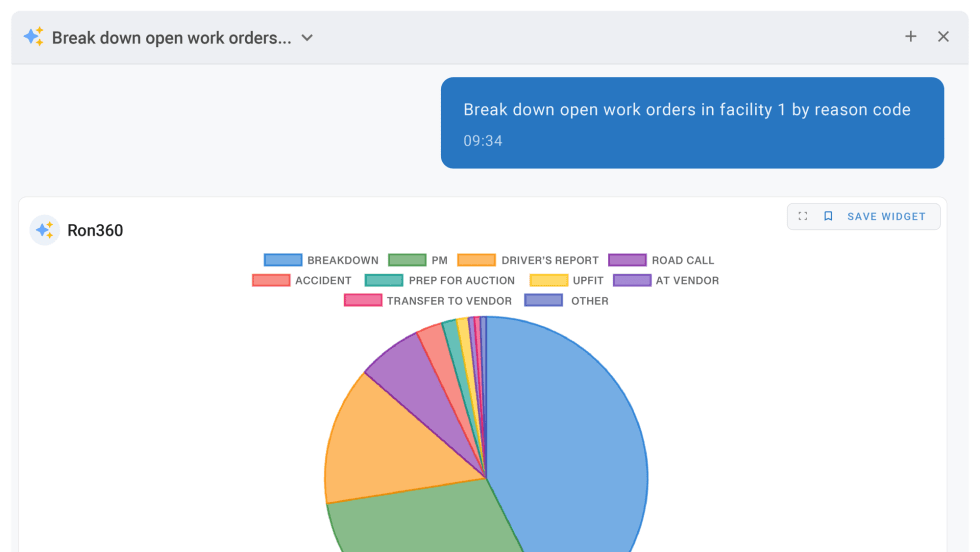
RTA Fleet Introduces AI Assistant for Fleet360 Platform
As artificial intelligence continues to gain traction across public-sector operations, fleet software providers are finding new ways to incorporate the technology into everyday workflows. RTA's latest addition aims to simplify how users interact with fleet data.
Read More →
2026 Police Fleet Innovators Named
Meet the professionals finding new ways to solve some of law enforcement's toughest fleet challenges.
Read More →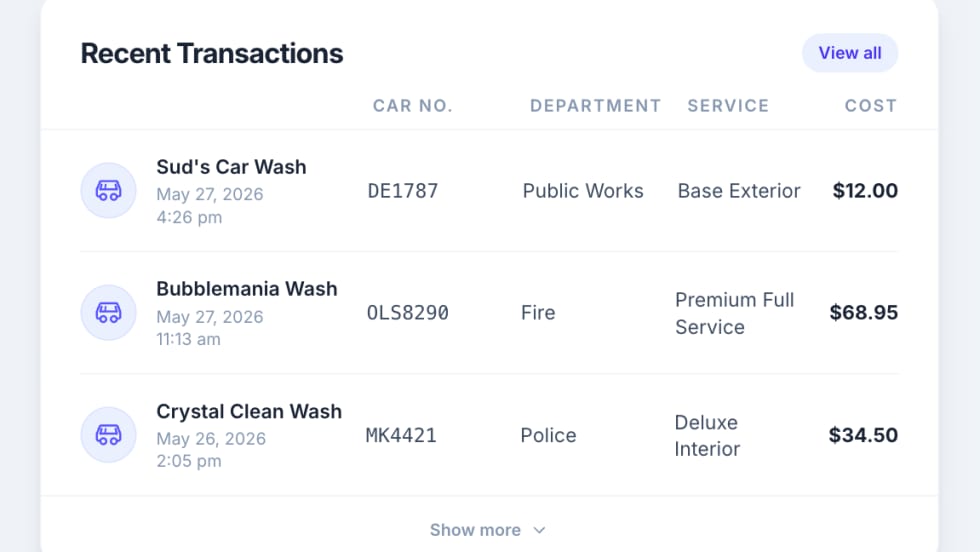
Rynse Expands Nationwide Fleet Wash Access for Law Enforcement
The North Carolina Sheriff’s Association Contract Cooperative purchasing contract aims to streamline procurement process for law enforcement agencies across the U.S.
Read More →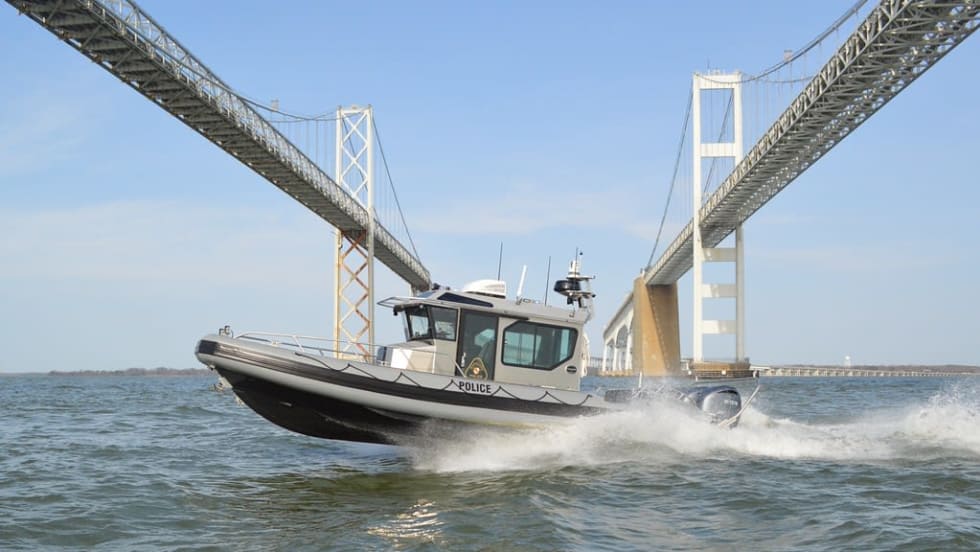
Maryland Natural Resources Police Adds 31-Foot Patrol Boat to Enforcement Fleet
A new addition to Maryland’s marine enforcement fleet is bringing expanded capabilities to Chesapeake Bay operations while honoring a legacy within the agency. The high-performance patrol vessel reflects how law enforcement fleets are adapting to growing demands on the water.
Read More →
LEHR Expands Florida Presence With Enforcement One Acquisition
LEHR has acquired Florida-based emergency vehicle upfitter Enforcement One, marking its eighth add-on acquisition.
Read More →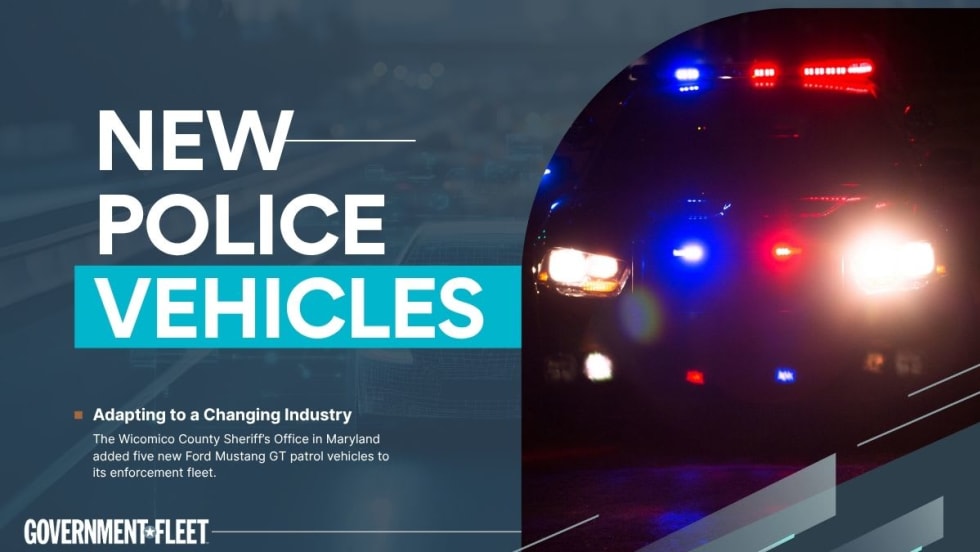
Maryland’s Wicomico County Sheriff Adds Mustang GT Patrol Vehicles
The agency is also working with the Maryland Police Training Commission on a specialized high-performance driving course for deputies assigned to the vehicles.
Read More →