




About the Author: Keith Busam is the Vice President of Business Development and Sustainability at VPS, where he brings more than 20 years of experience in sales, strategic growth, and client partnerships across education, government, and commercial sectors. A UC Santa Barbara graduate, he is recognized for his leadership, negotiation expertise, and commitment to mentoring the next generation of professionals.
Weather Protection Strategies For Public Safety Fleets
How Mansfield PD addressed weather-related risks to its patrol vehicles, and what fleets need to know about planning and specifying protective structures for similar conditions.
by Keith Busam, Vehicle Protection Structures
December 10, 2025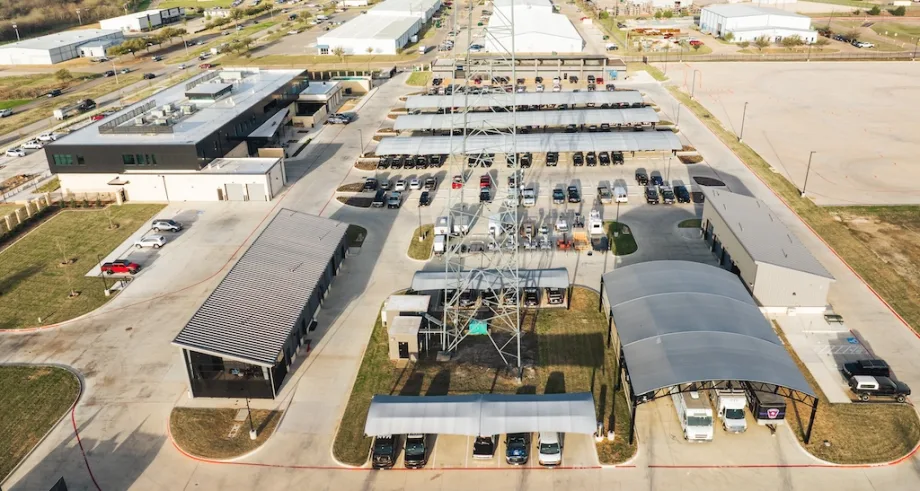
The Mansfield Police Department had a custom-engineered system installed covering 170 patrol and command vehicles.
Photo: VPS
3 min to read
From pounding hail to record-breaking heat, cities across the U.S. are rethinking what it takes to keep their fleets mission-ready. For public safety agencies, where reliability can mean the difference between rapid response and downtime, weather resilience is no longer optional but an operational strategy.
In Mansfield, Texas, as part of a larger facilities-improvement effort, the police department completed a project to safeguard its fleet of approximately 170 patrol and command vehicles. As part of the initiative, the department launched a custom-engineered protection system.
The site includes a mix of wide-span structures for patrol vehicles and tailored solutions for specialized units like SWAT and command teams. Steel frames with a durable finish support a weather-resistant membrane designed to provide coverage against hail, heavy rain, and prolonged sun exposure. Covered walkways connect the site to assist with accessibility and operational flow.
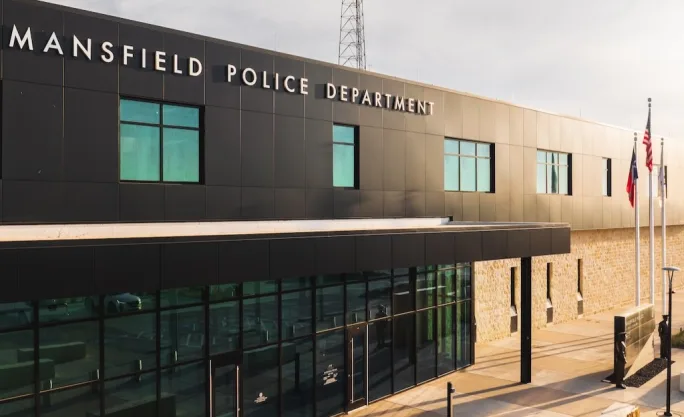
Mansfield sits within the North Texas Dallas-Fort Worth Metroplex, experiencing seasonal weather fluctuations.
Photo: VPS
Mansfield Police Chief Tracy Aaron, who helped initiate the project, had recognized the department’s long-standing need for vehicle protection. The goal was to safeguard their fleet from both hail and the relentless Texas heat, which can strain electronics and equipment year-round. By keeping vehicles cooler and protected, the department aimed to reduce maintenance costs, extend fleet life, and improve working conditions for officers.
Protecting Performance and People
A modern patrol vehicle outfitted with electronics, communications systems, and specialized lighting can easily cost over $100,000. Add in rising repair costs from heat-related component failures or storm damage, and the case for protection becomes clear.
According to the National Oceanic and Atmospheric Administration (NOAA), the U.S. has experienced more than 400 billion-dollar weather and climate disasters since 1980, with total damages exceeding $2.9 trillion. The financial impact now extends beyond property and infrastructure to municipal assets like emergency fleets.
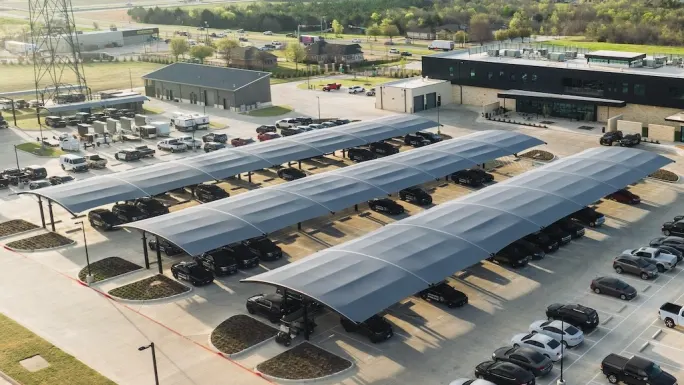
Mansfield PD's goal for the covering was to safeguard their fleet from both hail and the Texas heat.
Photo: VPS
For Mansfield PD, one of the most immediate benefits has been heat mitigation. Covered vehicles can be 50–75°F cooler, significantly reducing interior temperatures and preventing damage to onboard electronics. The change has also improved officer comfort and safety, especially for tactical teams who rely on heavy gear that can quickly become unsafe to wear after sitting in a sun-baked vehicle.
“Adding these canopies was one of our smartest moves,” said Chief Aaron. “Our vehicles are protected, our officers are more comfortable, and our fleet investment goes further.”
Designing for Durability and ROI
Fleet protection systems aren’t one-size-fits-all. Agencies considering similar projects should assess important considerations such as:
Primary Threats: Is the goal heat mitigation, hail protection, or both?
Fleet Composition: Different vehicle heights, such as SUVs versus fire trucks, may require different clearances.
Materials and Maintenance: Powder-coated steel and high-performance membranes offer strength and longevity with minimal upkeep.
Site Layout and Traffic Flow: Proper design prevents bottlenecks while ensuring maximum coverage.
Future Energy Goals: Adding solar-integrated canopies can turn a protective structure into an on-site power source, which is especially valuable as more fleets transition to EVs.
Beyond structural and site-based needs, agencies should also carefully evaluate the vendor or installer they choose. Selecting a company that offers a turnkey solution, whether it's permitting and design or fabrication and installation, can streamline the entire process and help avoid unexpected delays.
Some vendors also offer the ability to integrate solar directly into protective covering projects, providing not only fleet protection but also a sustainable power source that supports long-term energy goals, particularly for EV-focused fleets.
When properly designed, weather protection can extend a patrol vehicle’s life by up to three years, helping cities avoid unnecessary capital expenditures and improving overall fleet readiness. For departments managing tight budgets and rising operational costs, that’s a measurable return on investment.
Subscribe to Our Newsletter
More Police
Ford Pro Introduces Full-Size 2028 Expedition Police Responder
Ford Pro gave law enforcement customers a first look at the pursuit-rated utility during Police Fleet Expo.
Read More →
Paterson Police Expand Drone Fleet, Launch Real-Time Operations Center
The Paterson Police Department has expanded its drone program and opened a new Real-Time Operations Center designed to support emergency response and incident management. The initiative integrates multiple technologies to provide officers with real-time information during investigations and public safety operations.
Read More →
Why Public Fleet Success Depends on More Than the Vehicles
Tim Coxwell of the Leon County Sheriff’s Office discusses the projects shaping his fleet operation, including long-term work around vehicle selection, greenhouse gas emissions, and cost per mile.
Read More →
Havis Acquires Pro-gard Products
The acquisition brings together two manufacturers of public safety vehicle equipment under one company. Havis says the move expands its portfolio of products for outfitting law enforcement vehicles and other public safety fleets.
Read More →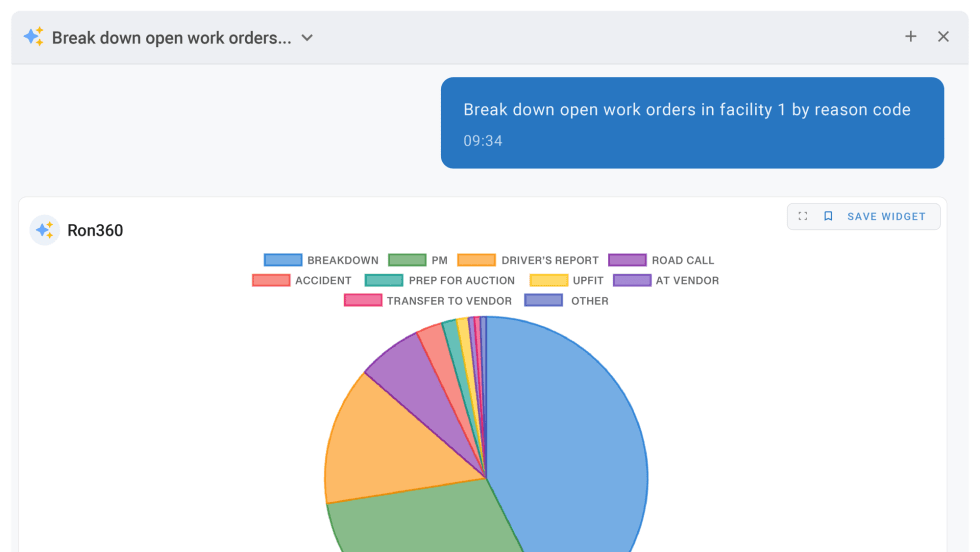
RTA Fleet Introduces AI Assistant for Fleet360 Platform
As artificial intelligence continues to gain traction across public-sector operations, fleet software providers are finding new ways to incorporate the technology into everyday workflows. RTA's latest addition aims to simplify how users interact with fleet data.
Read More →
2026 Police Fleet Innovators Named
Meet the professionals finding new ways to solve some of law enforcement's toughest fleet challenges.
Read More →
Rynse Expands Nationwide Fleet Wash Access for Law Enforcement
The North Carolina Sheriff’s Association Contract Cooperative purchasing contract aims to streamline procurement process for law enforcement agencies across the U.S.
Read More →
Maryland Natural Resources Police Adds 31-Foot Patrol Boat to Enforcement Fleet
A new addition to Maryland’s marine enforcement fleet is bringing expanded capabilities to Chesapeake Bay operations while honoring a legacy within the agency. The high-performance patrol vessel reflects how law enforcement fleets are adapting to growing demands on the water.
Read More →
LEHR Expands Florida Presence With Enforcement One Acquisition
LEHR has acquired Florida-based emergency vehicle upfitter Enforcement One, marking its eighth add-on acquisition.
Read More →
Maryland’s Wicomico County Sheriff Adds Mustang GT Patrol Vehicles
The agency is also working with the Maryland Police Training Commission on a specialized high-performance driving course for deputies assigned to the vehicles.
Read More →