




Cooperative Procurement: Group Buying Power Saves Time & Money
Cooperative procurement allows government agencies to purchase equipment and vehicles under another government entity’s contract.



At some point, government agencies must replace key equipment, such as fleet vehicles and maintenance equipment. These items take a hefty toll on an agency's budget, as do the staff hours related to procuring them. However, cooperative procurement offers a better way to approach purchasing fleet units and maintenance equipment, saving both time and ensuring a better price for these items.
Cooperative procurement allows government agencies to purchase equipment under another government entity's contract. A single lead agency establishes a contract for a product, an award is made, and other agencies can use this same contract to make purchases. Government-to-government cooperatives pool resources, offering multiple contracts with various lead agencies for a variety of equipment and vendors, and guaranteeing the lowest price.
Unfortunately for government agencies that establish their own contracts, the process of purchasing new equipment isn't Step 1, shop; Step 2, purchase. Instead, they must conduct research, develop specifications, conduct pre- and post-bid conferences, evaluate bid responses, and issue vendor contracts. This process literally can take months, consuming time, money, and manpower.
Skip the Bid Process & Secure Best Pricing
As co-op members, government agencies skip the bid process, letting the lead agency do the work, saving time and staff hours, and providing the best value to taxpayers. Further, because purchasing co-ops yield group buying power, they can secure the lowest guaranteed prices for equipment.
Steve Perlstein, government sales manager for Mohawk Lifts, a co-op vendor and contract holder for garage lifts, says by far, the biggest benefit of cooperative procurement is receiving the best price for equipment agencies need to purchase. As evidence, he cited one Illinois fleet that just built a multimillion-dollar garage and had to purchase lifts for this facility.
"Instead of taking the roundabout and time-consuming method, the city decided to join the Houston-Galveston Area Council (H-GAC) cooperative," Perlstein said. "They used that co-op as the basis of award for placing an order and saved upwards of $30,000 compared to what was quoted - and that was just the vehicle lifts in the building."
Perhaps equally economical, government agencies don't have to spend money to save money. Participation in a co-op is free. Government agencies simply complete a form to join, determine the right products for their needs, and place the purchase order.
"If you think of the time savings involved, it's a ton of time," Perlstein said. "And in government, time is money."
Further, city agencies can use their states' contracts and don't have to take the (albeit simple) step of joining. Conversely, cities can also join a co-op on their own; any local government office or jurisdiction can become a member - not only state agencies.
Purchasing Co-ops Increase Bid Responses
Perlstein said joining a purchasing co-op can help government entities solve issues beyond problems associated with some bid responses. Occasionally, agencies issue a bid request that garners a weak response. With too few responses to a specific bid request, agencies must repeat the bid process again, wasting additional time and resources.
On behalf of co-op members, however, the agency in charge of a contract makes sure enough responses and vendors are secured for the product purchased.
Some states use U.S. General Services Administration (GSA) as a basis of award for a state contract. However, there are true co-ops such as HGACBuy (through the H-GAC cooperative), Western States Contracting Alliance (WSCA), Mid-America Regional Council (MARC), and Baltimore Regional Co-op Purchasing Committee (BRCPC).
While GSA serves the federal government, other contracts serve city, county, and school districts across the U.S.
According to Perlstein, finding the right co-op depends on the product an agency needs. However, agencies can belong to more than one co-op, and with no associated costs and non-expiring memberships, joining more than one is a smart choice.
More Operations
The Technician Pipeline: Finding, Keeping, and Promoting Techs Within the Operation
A look at where to find good talent, what fleets are doing to incentivize those techs to stay within the fleet, and what promotion looks like for a technician within the public sector.
Read More →
5 Public Fleet Stories Worth Revisiting Before GFX | The May Dispatch
Public fleet leaders are being asked to prepare for more, communicate better, and make decisions that hold up under pressure.
Read More →
Drive More Profit with Greater Fleet Uptime
Fleet downtime costs money. JASPER helps keep vehicles on the road with quality remanufactured components, fast nationwide delivery, and reliable solutions that boost uptime and profitability.
Read More →

Turning Connected Vehicle Data Into Decisions That Matter
Fleet leaders have more data than ever, but turning that data into clear, actionable decisions remains a challenge. This white paper shows how leading organizations are using connected vehicle data to improve safety, reduce costs, and optimize fleet performance. Learn how to turn insight into action across your fleet.
Read More →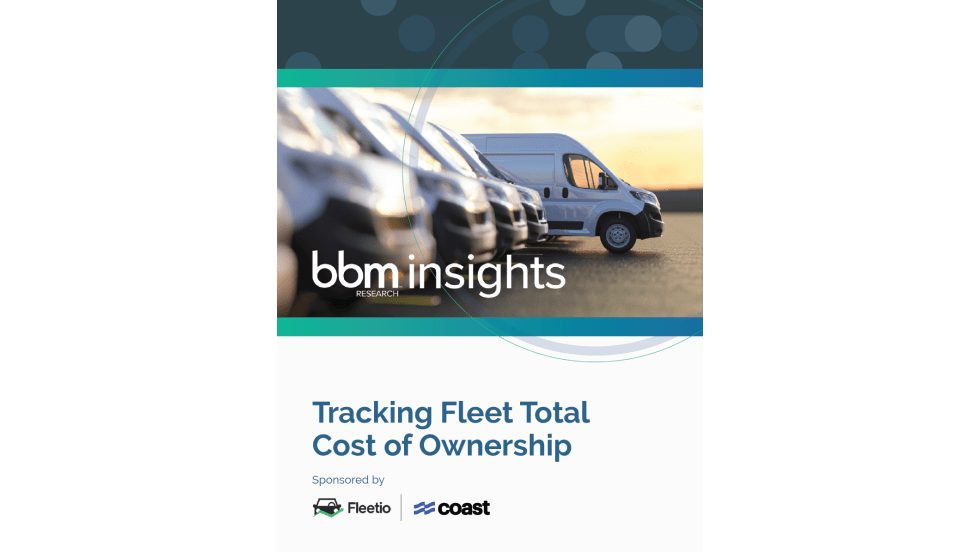
Are You Tracking Your Fleet's True Total Cost of Ownership?
Bobit Business Media surveyed 190 fleet professionals and found that while most fleets are tracking costs, fragmented systems and data gaps are keeping true TCO visibility out of reach. With rising pressure to control spend in an increasingly volatile environment, the gap between what fleets think they know and what the data actually shows is wider than you might expect. See how your peers are managing costs today and where the industry still has room to improve.
Read More →
Minneapolis Fire Department Prepares to Add Three New Pierce Enforcer Pumpers to Front-Line Fleet
The order, secured through Pierce dealer MacQueen, marks the department’s move from commercial chassis pumpers to Pierce custom fire apparatus designed to meet the operational demands of Minnesota’s largest city.
Read More →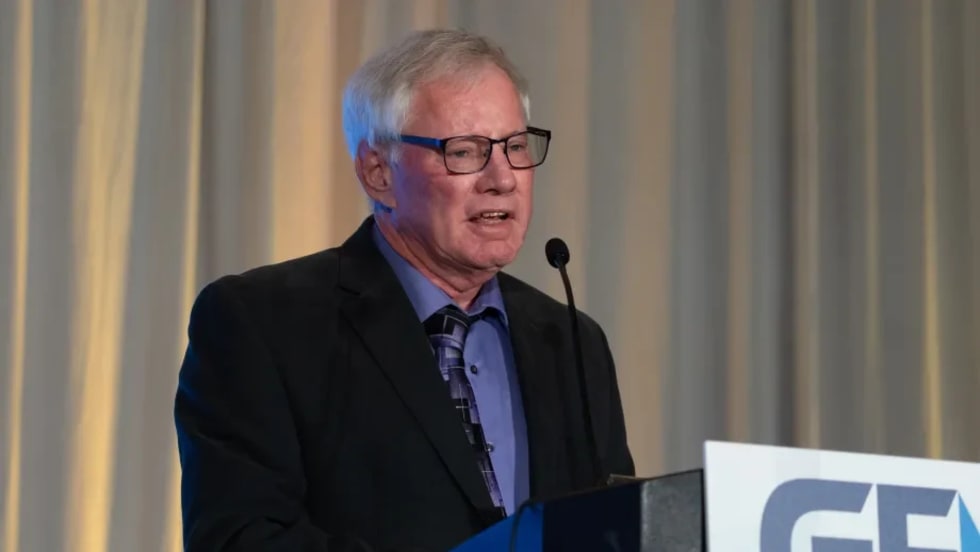
The Human Side of Fleet Leadership: Lessons from Larry Campbell
As public fleets navigate rapid change through AI, telematics, and increasing operational pressures, Larry Campbell believes the fundamentals of leadership matter more than ever. The longtime fleet leader reflects on accountability, integrity, and why earning trust remains the foundation of a successful fleet operation.
Read More →
Turn Fleet Data Into Smarter Decisions
Fleet leaders have access to more operational data than ever, but disconnected systems and unclear metrics often slow decision-making instead of improving it. This article outlines five practical steps fleets can take to transform fragmented data into actionable insights that improve planning, safety, utilization, and long-term performance.
Read More →
RoadFlex Brings Fleet Spend Management to the Field with Mobile App for Drivers, Fleet Managers
Through the RoadFlex mobile app, drivers can access their assigned cards, view recent transaction activity, and upload receipts directly from their mobile devices.
Read More →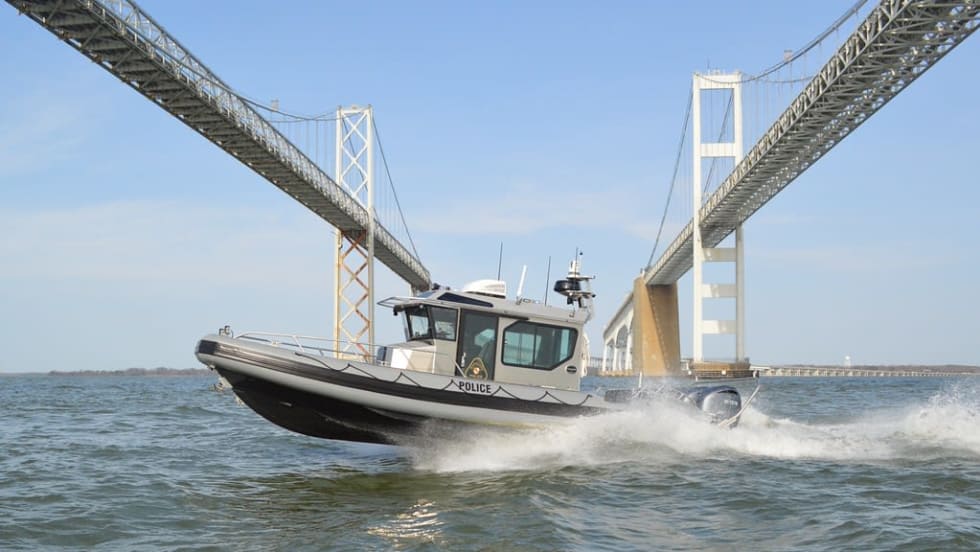
Maryland Natural Resources Police Adds 31-Foot Patrol Boat to Enforcement Fleet
A new addition to Maryland’s marine enforcement fleet is bringing expanded capabilities to Chesapeake Bay operations while honoring a legacy within the agency. The high-performance patrol vessel reflects how law enforcement fleets are adapting to growing demands on the water.
Read More →