





Want More? Protecting Your Most Precious Assets
National Safety Council Launches Online Fleet Training Program
The safety course is broken down into three vehicle type categories: passenger vehicles, vans, and medium-duty trucks.
January 19, 2024
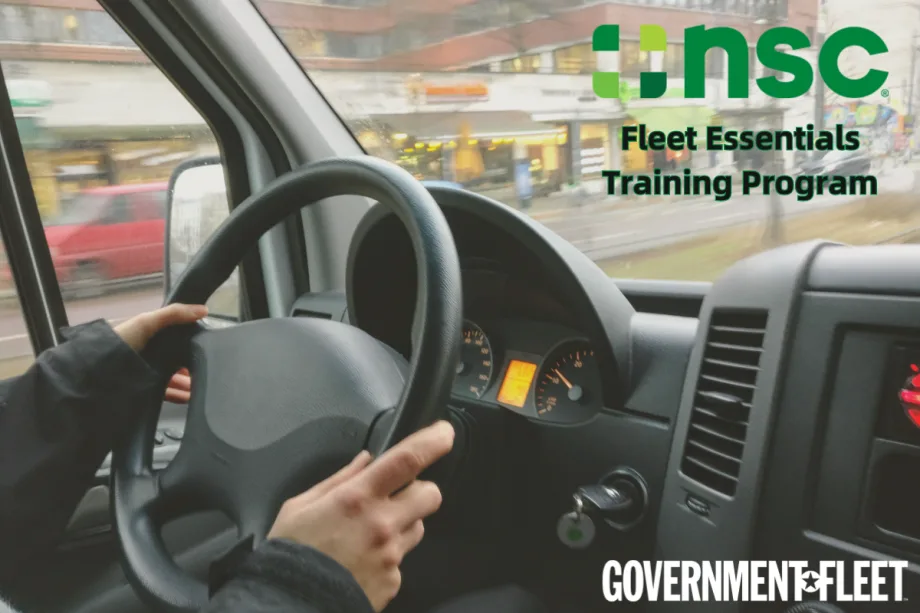
NSC's new online Fleet Essentials training program addresses topics such as vehicle dynamics, driving professionally, and distraction awareness unique to driving for work.
Photo: NSC/Canva/Government Fleet
3 min to read
The National Safety Council has launched Fleet Essentials, a new training program for fleet operators. Through a series of online courses, public sector fleet managers can educate drivers about safe driving practices.
A Sobering Statistic
According to the U.S. Bureau of Labor Statistics, more than 2,000 people died as a result of occupational transportation incidents in 2022, making up 37.7% of the total occupational fatalities that year, according to an NSC news release.
Drivers who do not have their commercial driver’s license but are required to drive any vehicle for work may not be considered fleet or professional drivers by their departments and could therefore lack formal training. That’s as many as 15.5 million drivers in the U.S. who may not be properly trained to operate a vehicle on the job.
“Many assume fleet drivers are well-trained, but unfortunately, that’s not always the case,” NSC Executive Vice President of Roadway Practice Mark Chung said. “At the National Safety Council, we follow the data, and the data are showing that workplace deaths are taking place on our roads at devastating rates, thus making this training truly essential —essential to saving lives and keeping workers safe on every jobsite, which includes America’s roadways.”
The Fleet Essentials Training Program At a Glance
The Fleet Essentials training program includes courses for:
Passenger vehicles.
Delivery vans.
The passenger driving course is available now. Courses for vans and medium-duty trucks will be available in early 2024.
The training program also addresses topics such as vehicle dynamics, driving professionally, and distraction awareness unique to driving for work.
Here is information about each course:
Driving Professionally - This 20-minute course helps fleet drivers understand key characteristics of driving professionally, and recognize the importance of organization representation and liability while driving. The course explores the difference between driving for personal benefit versus driving in the course of your work. Driver qualification and preparation are key elements to safe vehicle operation and include the driver’s own state of mind.
Vehicle Dynamics - This 50-minute course helps drivers understand their vehicle’s capabilities, limitations and how the physical forces of inertia, gravity and velocity affect it. Participants also learn why it is important to avoid risky maneuvers and how to avoid them. The course takes an in-depth look at vehicle dynamics -- such as yaw, pitch, and roll – and demonstrates how they contribute to safe vehicle operation.
Distracted Fleet Driver - Distracted driving claimed 3,142 lives in 2020. This 20-minute course reminds fleet drivers to be attentive, alert and engaged, and teaches them how to minimize distractions while driving. It reviews the science of distracted driving, reveals myths about multitasking and covers the dangerous effects of distracted driving for the fleet driver. The course also looks at the unique sources of distractions for fleet drivers, shows how to eliminate them and describes how to identify other road users that may be distracted -- and how to deal with them.
More Safety
New Partnership Aims to Expand Public Digital Hazard Alert System Statewide
The Hawai’i Department of Transportation (HDOT) is expanding advance digital hazard alerts for the public statewide.
Read More →
New York City Expands Safety Technologies Across Municipal Fleet
Executive Order 19 moves intelligent speed assistance and pedestrian alerts from pilot programs toward standard fleet equipment, offering other public fleets a look at how safety technology can be tested, measured, and scaled.
Read More →
Sponsored•August 10, 2026
Hidden in Plain Sight: Fleet Compliance Risks
Fleet compliance isn't just about having policies — it's about consistently enforcing them. This practical guide reveals six hidden compliance risks common in public sector and shared fleet operations and outlines proven strategies to improve visibility, accountability, and audit readiness.
Read More →
5 Days Left to Submit Your 2026 Fleet Safety Award Nomination
Know a government fleet, safety, or risk manager who deserves recognition for making fleet operations safer? Nominations are open through Aug. 15.
Read More →
How the First 24 Hours Can Shape a Fleet Crash Response
How a strong accident response process helps government fleets move from the initial report to recovery while building a clearer record for what needs to change next.
Read More →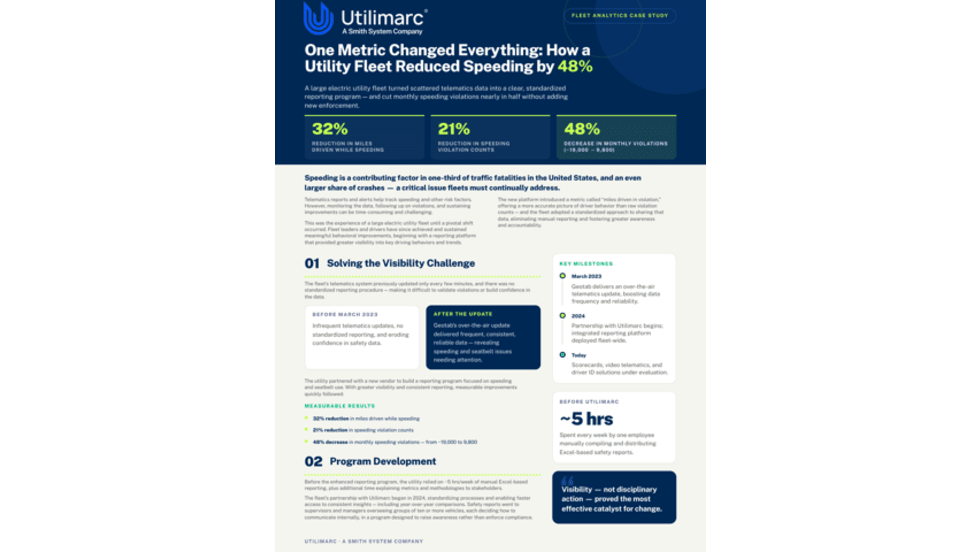
Sponsored•July 17, 2026
How Better Visibility Cut Speeding Violations by 48%
Fleet leaders don't need more data, they need clearer visibility into what the data is saying. This case study explores how one utility replaced speeding-event counts with a single metric — miles driven in violation — to strengthen safety and significantly reduce speeding violations.
Read More →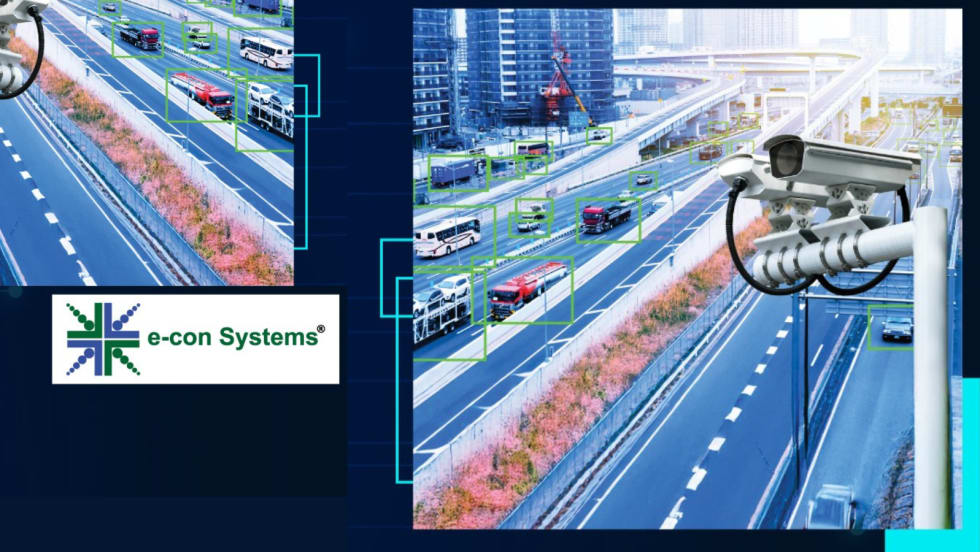
e-con Systems Expands AI Camera Tools for Traffic Monitoring
The systems support license plate recognition, traffic analytics, and video management for transportation agencies.
Read More →
King Township Pilot Links Driver Feedback to Reduced Speeding
How King Township, a best-in-class municipal fleet, reduced speeding by 10.9% and demonstrated a projected 349% ROI by putting safety ownership directly in drivers' hands.
Read More →
Beyond the Fireline: The Critical Role of Public Fleets in Wildfire Response
Behind every wildfire response is a complex network of vehicles, data, and decisions that must work in sync under extreme pressure. Global heating trends require strong fleet coordination and reliable communications to keep crews safe and operations running smoothly.
Read More →
How AI Is Transforming Public Fleet Safety - Part 1
AI-powered safety systems are helping public fleets tackle distracted driving by delivering real-time coaching and measurable behavior change behind the wheel. In part one of our Q&A, Nauto CEO Stefan Heck explains how agencies can improve safety, reduce costs, and navigate implementation challenges with AI-driven technology.
Read More →