





Keep Reading: Checking All the Boxes for an EV Future
EV Roundup: New Vehicles and Charging Stations
A look at what's happening with electric vehicles around the country and how municipalities are making charging more accessible.
June 12, 2023
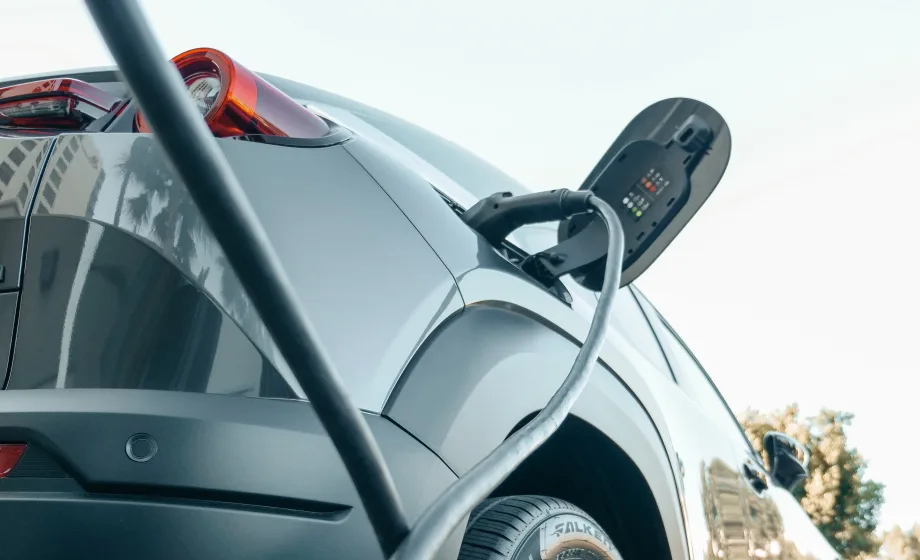
Planning for the EV transition should include a timeline, budget, goals, considerations for extensibility, and a strategy for data importation and management.
Photo: Kindel Media
3 min to read
Electric vehicles (EVs) are still being introduced throughout the US. But more EVs means more charging and more innvative ways to accomodate the electric changes. Check out the new installs and the vehicles arriving in fleet facilities below.
Colorado County Installs New EV Charging Stations
Jefferson County, Colorado, is installing EV charging stations at popular county parks. Some of the stations will also provide additional charging for county vehicles.
The county will also collect data and demonstrate early results on improving air quality, reducing transportation emissions, increasing adoption of electric vehicles across Colorado, and creating fuel cost savings for county operations.
Funding, done through the Colorado Energy Office, will support the installation of five Level-2, dual-port EV charging stations on property owned by Jefferson County. Two charging stations will be installed for public access at popular county-managed parks, and three will be installed for internal fleet use on county property in Lakewood.
The project is part of the county’s Climate Action Plan, which was approved last year by the Board of County Commissioners. Jefferson County is procuring and contracting for the charging equipment and installation services with an estimated completion date later this summer. The five charging stations are in addition to two that are located at the Jefferson County Administration and Courts Facility in Golden.
Michigan City Partners with GM for EV Charging
The city of Sterling Heights, Michigan is partnering General Motors to install 17 EV charging stations at public spaces throughout the city, according to ClickOnDetriot.com.
The charging stations, produced by FLO, are expected to be up to 2.7 times faster than a typical level two charging station and will feature two ports for simultaneous charging. The city will provide the land while GM Dealers will underwrite the cost of the charging stations.
Michigan is ranked 17th in total charging stations by state in the U.S, according to Evadoption.
Sterling Heights has unveiled an EV master plan with initiatives that include initiating EV use, preparing for increased EV use on on roadways, and allocating more time and resources to EV infrastructure.The plan was developed over several months and funded by roughly $6,000 from the city and a grant of roughly $29,000 from Southeast Michigan Water Infrastructure Planning Guide's Planning Assistance Program for Transportation Equity and Sustainable Infrastructure.
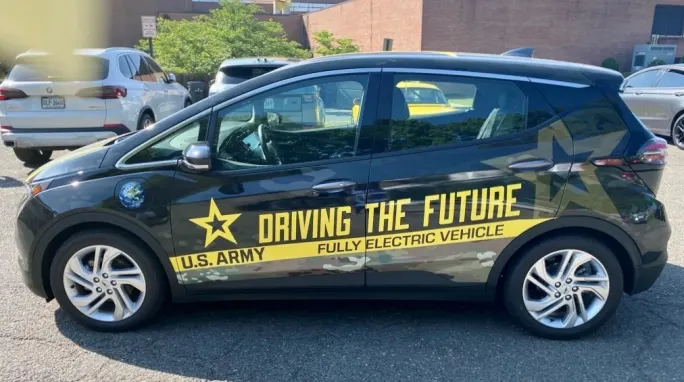
The Army is aggressively pursuing its goals of reducing emissions through electrification of tactical and non-tactical vehicles.
Photo: US Army
“Off the Grid” Electric Vehicles at the Army Birthday Festival
During an Army Birthday Festival, to celebrate the Army’s 248th birthday on June 14, the Office of the Assistant Secretary of the Army for Installations, Energy and Environment showed how the Army is tackling climate change and promoting energy resilience by hosting a "microgrid" demonstration to simulate a contingency-based, carbon-free energy environment.
The microgrid powered key festival attractions and displays, taking them completely off the grid. In addition, festival attendees were able to get up-close and personal with the Army’s latest non-tactical electric vehicles.
The Army is pursuing its goals of reducing emissions through electrification of tactical and non-tactical vehicles and increasing energy resilience with microgrids and portable, carbon-free energy solutions.
Microgrids are small-scale electrical systems that can be powered by the sun, natural gas, batteries, wind and other passive-energy sources. In addition, they can also store energy, allowing them to power mission-critical systems on installations during grid disturbances and disruptions.
“We plan to install microgrids on every installation by 2035, with a goal of combining these systems with carbon-free energy generation and battery storage to sustain critical missions at all Army installations by 2040,” said Jacobson. “Currently, the Army has 28 operational microgrids, plus nine under construction and 26 in design.”
Also on display were the Army’s newest non-tactical electric vehicles: the Ford F-150 Lightning pick-up truck and the Chevrolet Bolt. Several Army installations, including Fort Carson, Colorado and Fort Moore, Georgia, have already received their first shipments of F-150 pick-up trucks and charging stations, and more are coming to installations across the country.
Topics:Green Fleet
More Green Fleet
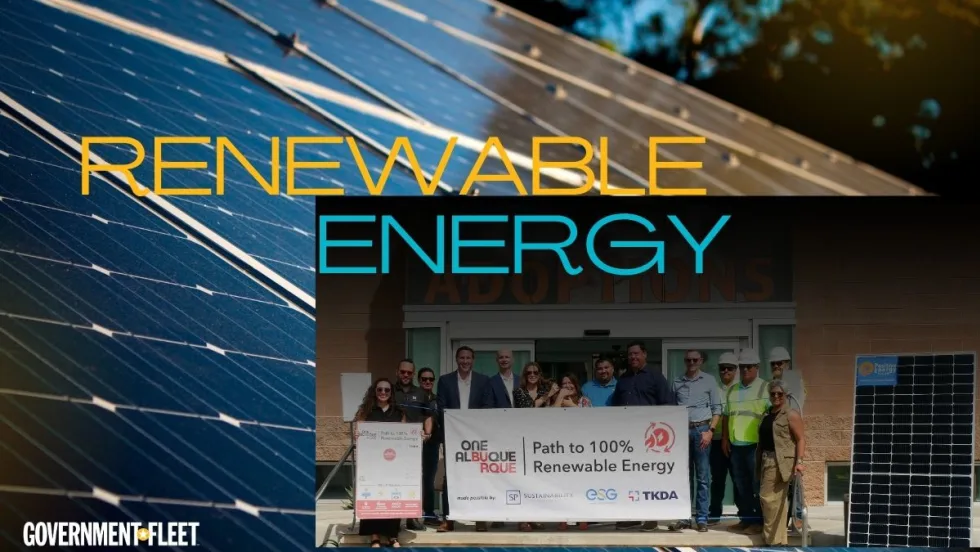
Sustainability Partners, Energy Systems Group Help Albuquerque Close the Gap on its 100% Renewable Energy Goal
The eight-site, 6 MW solar project has advanced the city toward 100% renewable energy for municipal operations.
Read More →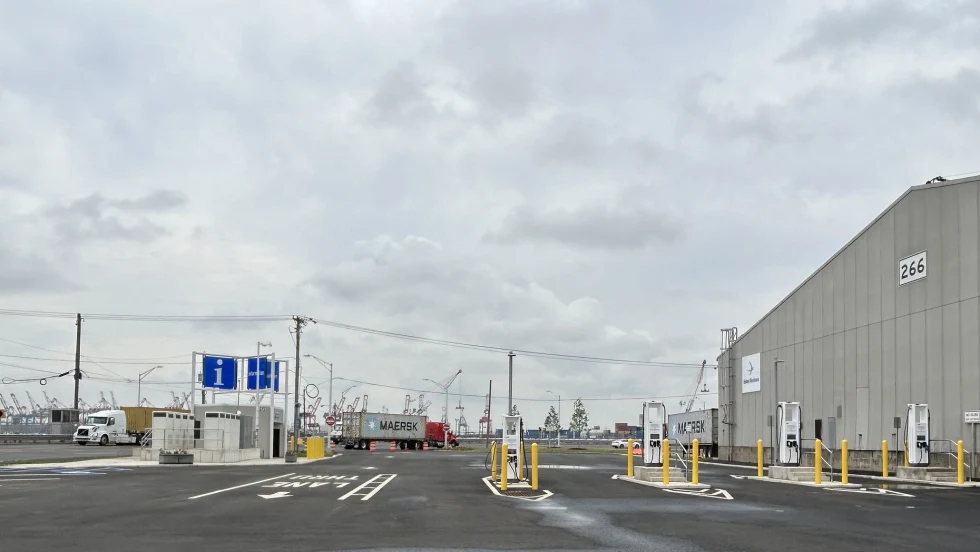
Port Authority and CALSTART Launch $45 Million Electric Truck and Charging Programs
The programs aim to boost sustainable operations across the East Coast's busiest seaport.
Read More →
Moving Government Fleets Beyond the Vehicle Purchase: EV as a Service
A discussion on how EVaaS is moving beyond pilot programs and what fleets should consider before beginning a larger deployment.
Read More →
Moving Government Fleets Beyond the Vehicle Purchase: EV as a Service
As fleets move beyond small EV pilots, Sustainability Partners CEO Adam Cain explains how EVaaS can address the infrastructure and long-term planning required for larger deployments.
Read More →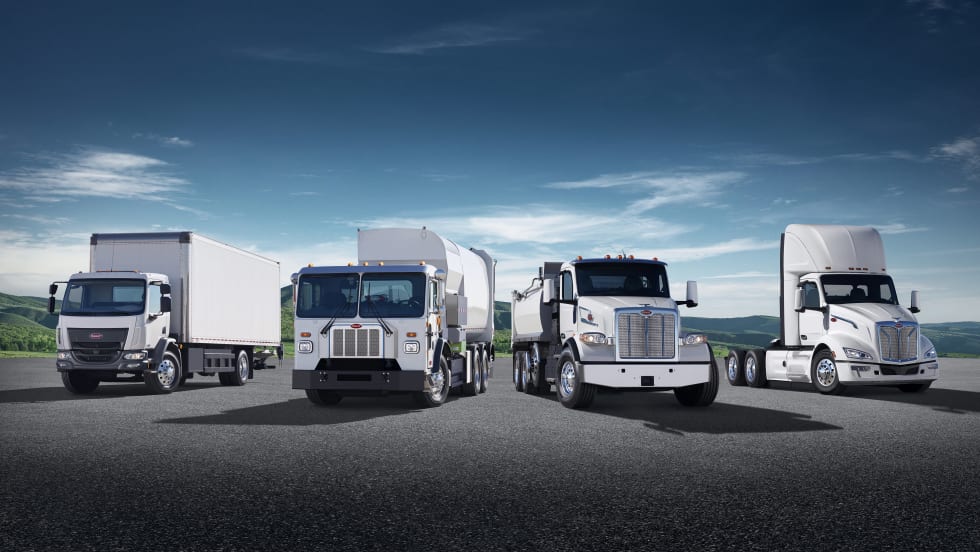
Peterbilt Expands Sourcewell Partnership with Electric Vehicle Lineup
The agreement aims to provide streamlined procurement of Peterbilt trucks for government, education, nonprofit and tribal organizations across the United States and Canada.
Read More →
EV Adoption & Charging Challenges
Where is your fleet in the journey of vehicle electrification? If you're still looking for answers to fleet electrification you've come to the right place.
Read More →
Hawaii Passes Clean Fuel Policy
Hawaii lawmakers passed clean fuel legislation that could support renewable natural gas production, biogas-powered transportation, and lower-carbon fueling options for public and commercial fleets.
Read More →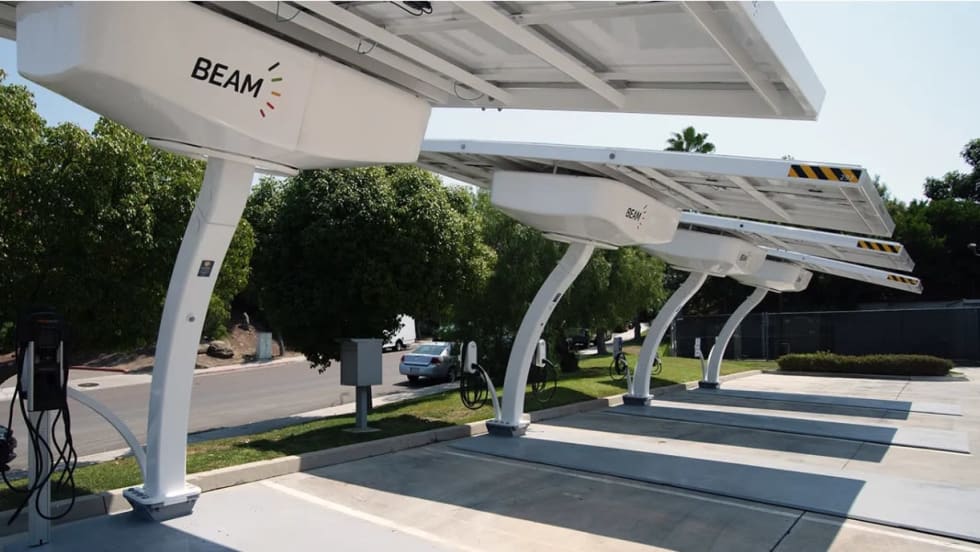
Stanislaus County Deploys Ten Beam Global EV ARC Systems to Support County Fleet Electrification
Stanislaus County deployed 10 off-grid solar-powered EV charging systems and a mobile charging trailer from Beam Global to support its electric fleet operations and emergency response flexibility.
Read More →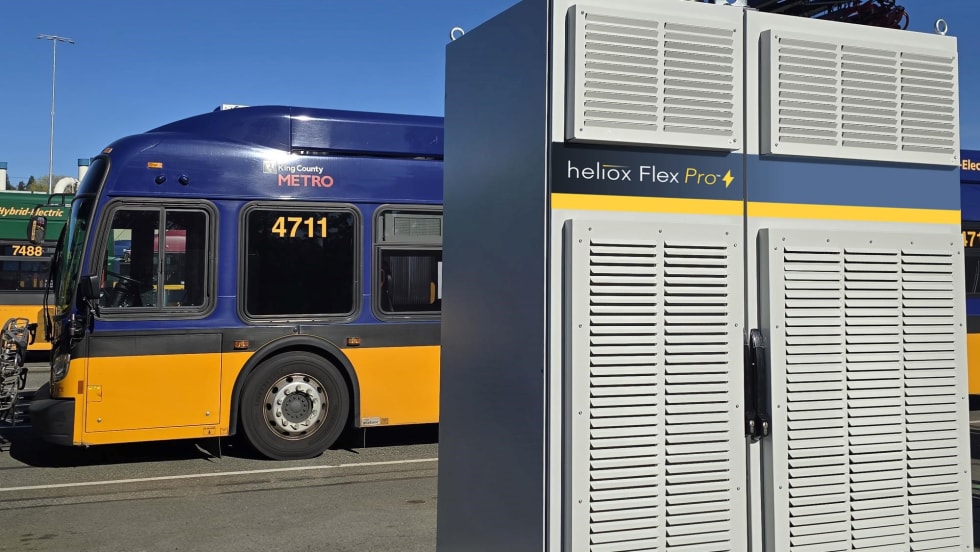
Heliox Pilots 480-kW Bus Charger with King County Metro
King County Metro is piloting Heliox’s new 480-kW Flex Pro charger to support expansion of its battery-electric bus fleet and depot charging infrastructure. The compact charging system supports pantograph and plug-in charging configurations for high-density transit operations.
Read More →