





Check out this Q&A on Enterprise fleet management and vehicle shortages
The Waiting Game: Navigating Police Vehicle Shortages
Police departments across the U.S. are in a holding pattern as they wait for updates on new police vehicles that were pre-ordered.
October 12, 2022
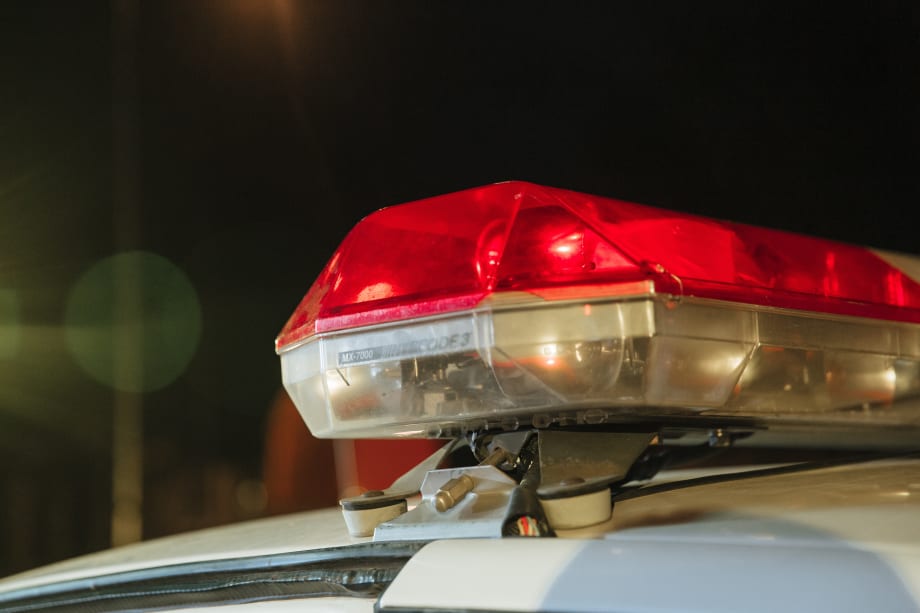
Some police departments have had to rely on older vehicles as they wait for new orders to come in.
Photo: Cottonbro
4 min to read
The city of Fairfield, California recently received the news that all 10 of the police interceptor utility (PIU) vehicles that were ordered for 2021 have been canceled and the department’s 2022 order was not accepted as the order bank closed early and unexpectedly.
Fairfield is just one one of the latest cities to be hit by the news of vehicle shortages that have affected municipalities across the U.S. Many fingers have been pointing at the microchip shortage as a major factor in these vehicle order delays and cancellations. However, city departments, especially those dealing in first response, are now left to work with aging fleets and vehicles that may not have the same capabilities that the new vehicle orders are outfitted with.
“In the last two years, we have had issues with the Police Department, Public Works and the Fire Department,” said David Renschler, CPFP, fleet division manager for the city of Fairfield.
And the ordering issue has extended to other departments. Renschler said the city had two 40-ft. bucket trucks ordered in February 2021 that still haven’t arrived. He added that Fairfield recently received a 10-wheel dump truck that took 575 days, two flatbed trucks just delivered took 465 days.
“We have four fire trucks on order that are expected to take 2.5 years from date of order,” Renschler said. “Pre-pandemic bucket trucks and 10-wheel dumps took 180-220 days, [heavy-duty pick-up trucks] took 120-150 days, and fire trucks took 1.5 years."
Other heavy- and medium-trucks canceled due to production numbers being lowered by the OEMs as well as well as light-duty vehicles.
Renschler noted the city has been told the supply issues are due to a chip shortage. However, he feels this is a blanket term for a larger problem.
“I believe that the industry is using the term 'chip shortage' for a multitude of things adding up such as chip shortage, labor shortage, cargo ship delays, production delays at overseas plants, raw material shortages, etc. and society has accepted 'chip shortage' or 'COVID 19' as a blanket term for covering all reasons for slow downs in production and delivery,” he noted.
Renschler explained that maintenance will be key to keeping older PD vehicles running, adding that if a fleet is standardized to one OEM, municipalities may have to look at adding off brands for a year or two.
One option Fairfield has considered is putting command staff in civilian Explorers and passing their PIU’s down to patrol.
Renschler said these shortages seem to be plaguing every fleet he’s talked to in the last year. And he’s seen order delays or shortages affecting every part of our division.
“We are outsourcing as much work as our vendors will take as we’re running about 40% vacancy rate for mechanics here,” Renschler said. “Our vendors are short staffed as well so they can’t handle the volume of work we have to send them to keep up, so our non-safety related work is getting deferred.”
During a conversation in early August, Charlotte Ashcraft, director of fleet management for Franklin County, Ohio said she believes purchasing vehicles is in the middle of a significant transition. She noted that for years departments could order a vehicle and expect it to arrive within a certain timeframe, before repeating the process when a new vehicle was needed. However, she noted that now they have to wait.
Vehicles that she ordered in December of 2021 had still not arrived by the time August rolled around. She doesn’t expect the problems to clear up until 2025. Until those new vehicles arrive, Ashcraft said there is the question of maintaining the current fleet. But even finding the parts to make repairs has proven difficult.
“We’re circling the drain on these kinds of things because we have to keep what we have, we have to keep them on the road. They’re first responders,” Ashcraft said.
Alameda County, California, has also had an issue getting police units in a timely fashion, according to Scott Transou, MBA, Logistics Services Manager for the county. Transou noted this is primarily a problem with the Ford Interceptors and Dodge Chargers.
Alameda, like Fairfield, is also being told this is an issue stemming from a chip shortage. The county has also been told a parts shortage is another factor.
Transou noted that he has not seen the government fleet face this kind of issue during his tenure.
“I think it may be an issue for at least another 18 months,” Transou said.
Renschler feels that the “new normal” will be in 2026, but will be nothing like what it was in the past.
“I’ve been in government fleet for over 30 years and haven’t seen it this bad in the non-military sector before,” Renschler said.
More Police
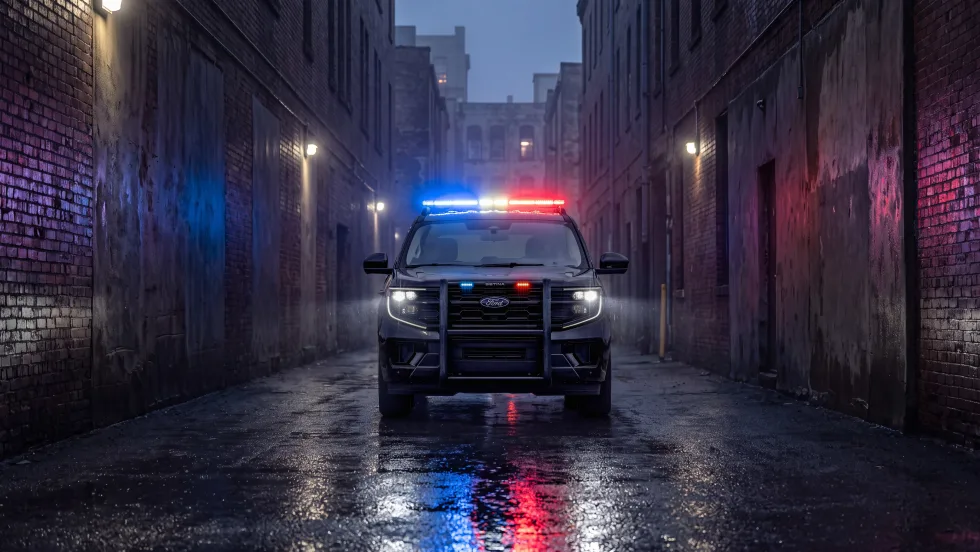
Ford Pro Introduces Full-Size 2028 Expedition Police Responder
Ford Pro gave law enforcement customers a first look at the pursuit-rated utility during Police Fleet Expo.
Read More →
Paterson Police Expand Drone Fleet, Launch Real-Time Operations Center
The Paterson Police Department has expanded its drone program and opened a new Real-Time Operations Center designed to support emergency response and incident management. The initiative integrates multiple technologies to provide officers with real-time information during investigations and public safety operations.
Read More →
Why Public Fleet Success Depends on More Than the Vehicles
Tim Coxwell of the Leon County Sheriff’s Office discusses the projects shaping his fleet operation, including long-term work around vehicle selection, greenhouse gas emissions, and cost per mile.
Read More →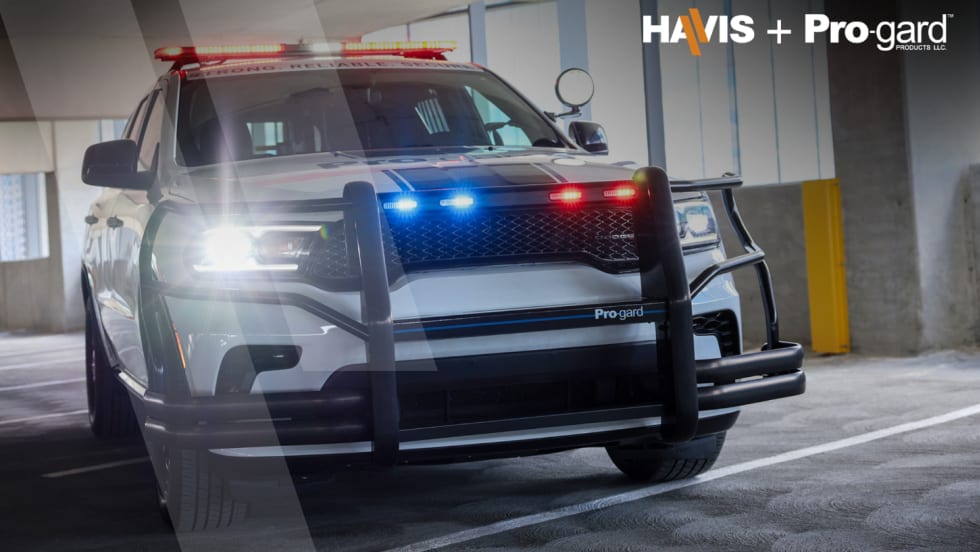
Havis Acquires Pro-gard Products
The acquisition brings together two manufacturers of public safety vehicle equipment under one company. Havis says the move expands its portfolio of products for outfitting law enforcement vehicles and other public safety fleets.
Read More →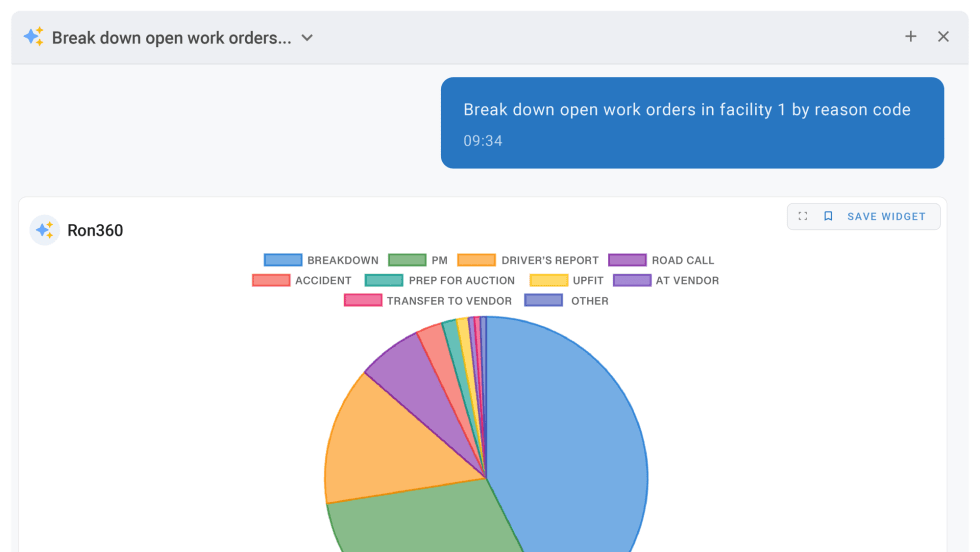
RTA Fleet Introduces AI Assistant for Fleet360 Platform
As artificial intelligence continues to gain traction across public-sector operations, fleet software providers are finding new ways to incorporate the technology into everyday workflows. RTA's latest addition aims to simplify how users interact with fleet data.
Read More →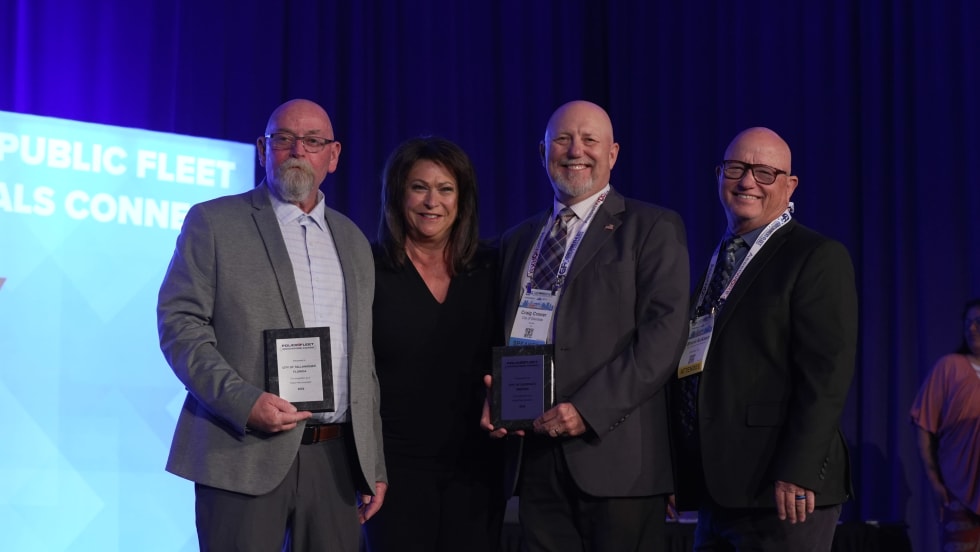
2026 Police Fleet Innovators Named
Meet the professionals finding new ways to solve some of law enforcement's toughest fleet challenges.
Read More →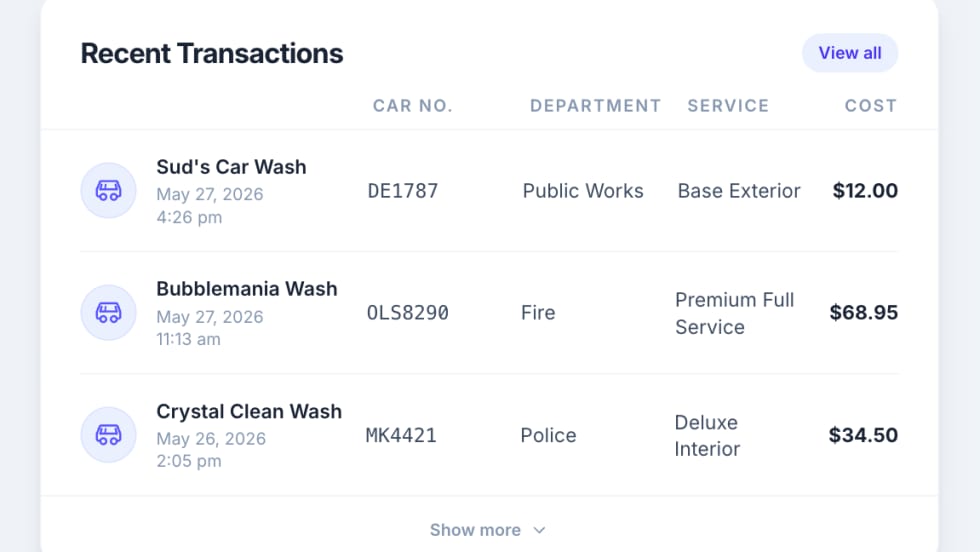
Rynse Expands Nationwide Fleet Wash Access for Law Enforcement
The North Carolina Sheriff’s Association Contract Cooperative purchasing contract aims to streamline procurement process for law enforcement agencies across the U.S.
Read More →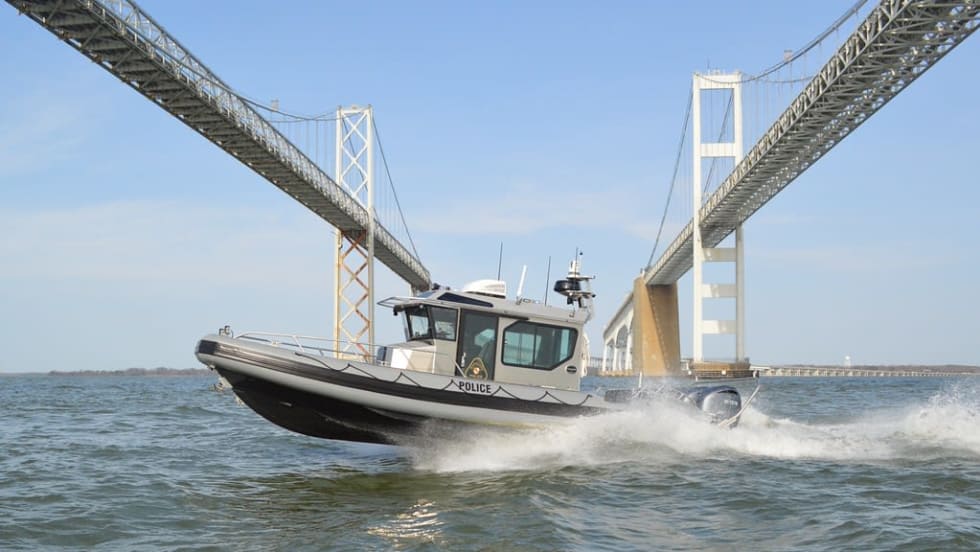
Maryland Natural Resources Police Adds 31-Foot Patrol Boat to Enforcement Fleet
A new addition to Maryland’s marine enforcement fleet is bringing expanded capabilities to Chesapeake Bay operations while honoring a legacy within the agency. The high-performance patrol vessel reflects how law enforcement fleets are adapting to growing demands on the water.
Read More →
LEHR Expands Florida Presence With Enforcement One Acquisition
LEHR has acquired Florida-based emergency vehicle upfitter Enforcement One, marking its eighth add-on acquisition.
Read More →
Maryland’s Wicomico County Sheriff Adds Mustang GT Patrol Vehicles
The agency is also working with the Maryland Police Training Commission on a specialized high-performance driving course for deputies assigned to the vehicles.
Read More →