




Don't Miss: Report: Federal Fleets Concerned About EV Costs, Not Enough Charging Stations
Bill Would Bolster EV Battery Recycling in Federal Fleet Vehicles
The bill passed in the U.S. Senate, and now heads to the U.S. House of Representatives.

Christy Grimes・Former Senior Editor
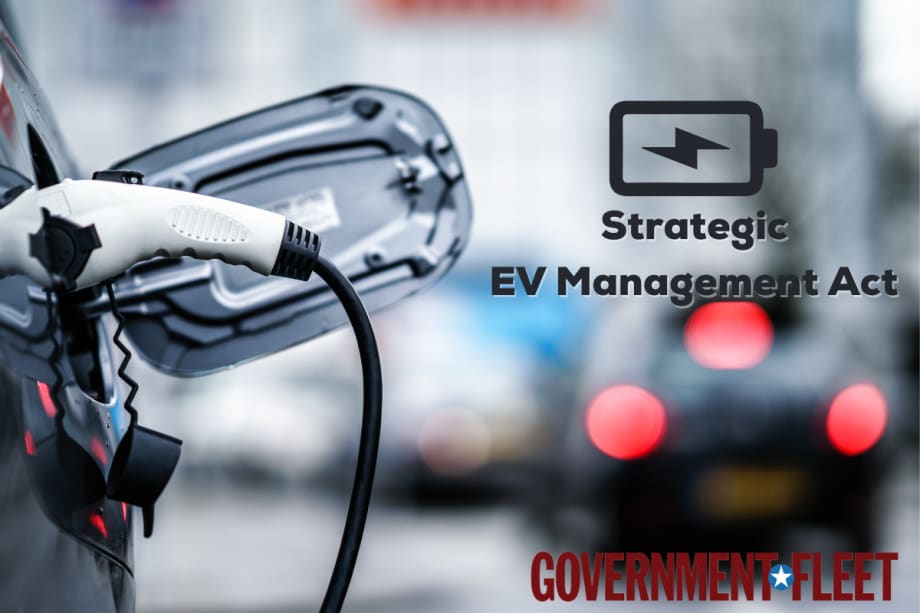
The Strategic EV Management Act requires a report on how the costs and benefits of operating and maintaining EVs in the federal fleet compare to the costs and benefits of operating and maintaining internal combustion engine vehicles.
Photo: Canva/Government Fleet
3 min to read
A bill passed in the U.S. Senate on September 14 aims to maximize the reuse and recycling of end-of-life electric vehicle (EV) batteries in federal fleet vehicles. The Strategic EV Management Act requires the heads of federal agencies to develop a comprehensive, strategic plan for federal EV fleet battery management.
The plan would:
maximize both cost and environmental efficiencies; and
incorporate—
guidelines for optimal charging practices that will maximize battery longevity and prevent premature degradation;
guidelines for reusing and recycling the batteries of retired vehicles; and
any other considerations determined appropriate by the administrator of the General Services Administration (GSA) and the Director of the Office of Management and Budget.
The bill calls for federal agencies like the GSA, a top contract provider of vehicles and equipment for government fleets, to work alongside other agencies like the U.S. Environmental Protection Agency, as well as manufacturers and recyclers to create the plan.
The legislation would also require the U.S. Comptroller General to submit a report to Congress on how the costs and benefits of operating and maintaining EVs in the federal fleet compare to the costs and benefits of operating and maintaining internal combustion engine vehicles within two years after it is enacted.
The bill now heads to the U.S. House of Representatives.
EVs in the Federal Fleet to Increase
In the coming years, the number of EV batteries in federal fleet vehicles in need of recycling will grow. Late last year, President Joe Biden signed an executive order directing the federal government to acquire 100% zero-emission vehicles (ZEVs) by 2035, including 100% zero-emission light-duty vehicle acquisitions by 2027.
"As the federal government’s electric vehicle fleet continues to grow, it must also ensure it has a coordinated strategy for optimal battery longevity," U.S. Sen. Mitt Romney, one of the sponsors of the bill, said in a statement. "This common-sense legislation will ensure agencies are doing just that, as well as publishing guidelines for the reuse and recycling of retired vehicle batteries. The federal government should lead by example, and the more cost-efficient we are in this space, the less dependent we will be on foreign suppliers."
Recyling the batteries would increase the domestic supply of EV batteries and rare materials that can strengthen supply chains and improve our nation's global competitiveness, U.S. Sen. Gary Peters said in a statement.
“As the federal government continues to acquire electric vehicles, it is paramount that our agencies are equipped to optimize the management of the growing fleet,” U.S. Sen. Bill Hagerty said in the same statement.
In August, the U.S. Department of Energy issued a request for information on the collection, transportation, sorting, processing, and second-life applications for end-of-life lithium-ion batteries. The Bipartisan Infrastructure Law authorized $335 million to invest in lithium-ion battery recycling.
More Green Fleet
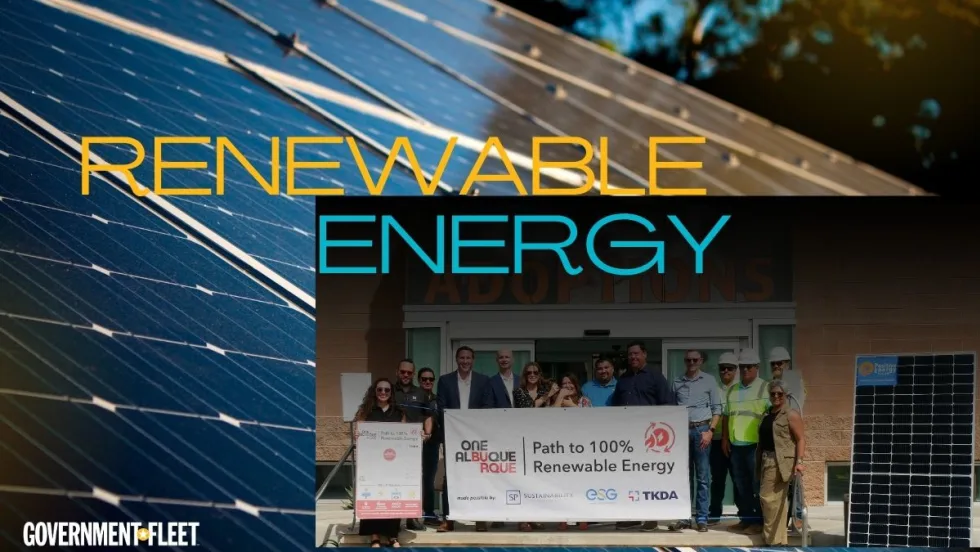
Sustainability Partners, Energy Systems Group Help Albuquerque Close the Gap on its 100% Renewable Energy Goal
The eight-site, 6 MW solar project has advanced the city toward 100% renewable energy for municipal operations.
Read More →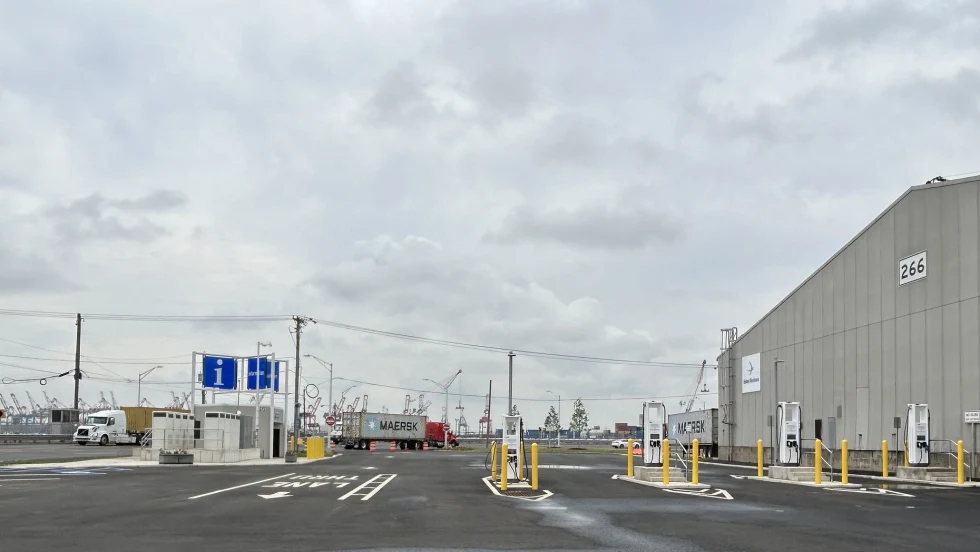
Port Authority and CALSTART Launch $45 Million Electric Truck and Charging Programs
The programs aim to boost sustainable operations across the East Coast's busiest seaport.
Read More →
Moving Government Fleets Beyond the Vehicle Purchase: EV as a Service
A discussion on how EVaaS is moving beyond pilot programs and what fleets should consider before beginning a larger deployment.
Read More →
Moving Government Fleets Beyond the Vehicle Purchase: EV as a Service
As fleets move beyond small EV pilots, Sustainability Partners CEO Adam Cain explains how EVaaS can address the infrastructure and long-term planning required for larger deployments.
Read More →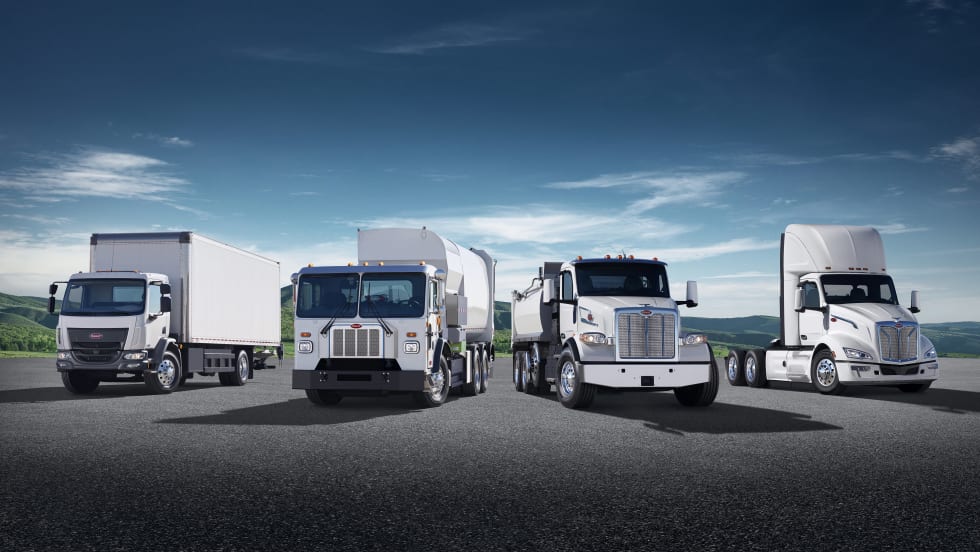
Peterbilt Expands Sourcewell Partnership with Electric Vehicle Lineup
The agreement aims to provide streamlined procurement of Peterbilt trucks for government, education, nonprofit and tribal organizations across the United States and Canada.
Read More →
EV Adoption & Charging Challenges
Where is your fleet in the journey of vehicle electrification? If you're still looking for answers to fleet electrification you've come to the right place.
Read More →
Hawaii Passes Clean Fuel Policy
Hawaii lawmakers passed clean fuel legislation that could support renewable natural gas production, biogas-powered transportation, and lower-carbon fueling options for public and commercial fleets.
Read More →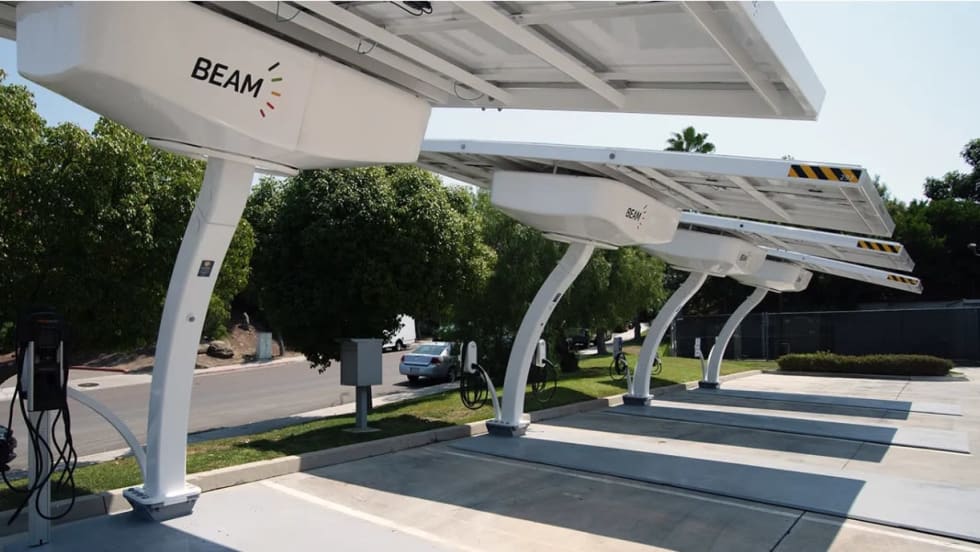
Stanislaus County Deploys Ten Beam Global EV ARC Systems to Support County Fleet Electrification
Stanislaus County deployed 10 off-grid solar-powered EV charging systems and a mobile charging trailer from Beam Global to support its electric fleet operations and emergency response flexibility.
Read More →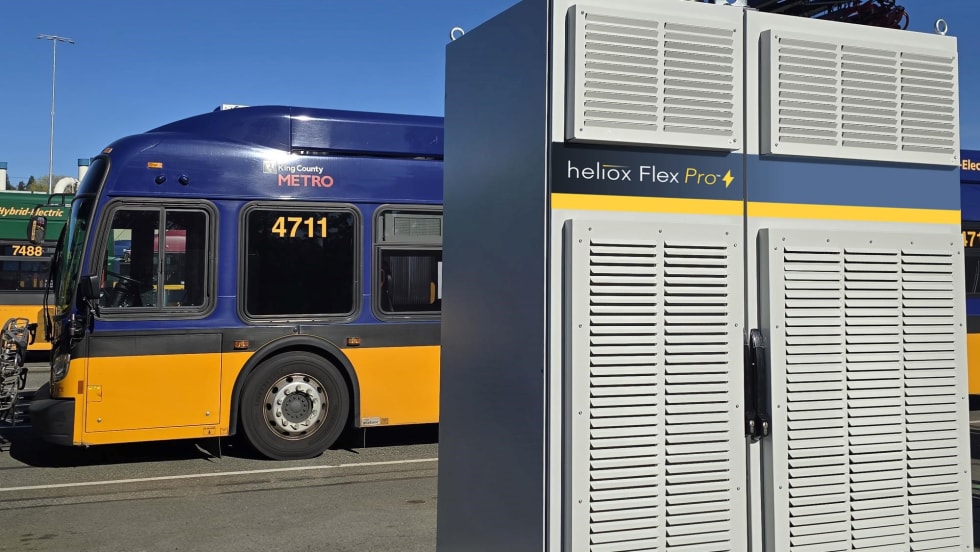
Heliox Pilots 480-kW Bus Charger with King County Metro
King County Metro is piloting Heliox’s new 480-kW Flex Pro charger to support expansion of its battery-electric bus fleet and depot charging infrastructure. The compact charging system supports pantograph and plug-in charging configurations for high-density transit operations.
Read More →