





Learn More: San Diego Prepares for Fire Season with 10 New Engines
San Diego Mayor Opens 10th Fire Station Since 2015
The ribbon-cutting ceremony highlights recent public safety investments including new fire apparatus to keep San Diegans safe during peak fire season.
November 24, 2020

1 min to read

The ribbon-cutting ceremony highlights recent public safety investments including new fire apparatus to keep San Diegans safe during peak fire season.
Photo: City of San Diego B-Roll Screenshot
Marking the completion of the 10th new or rebuilt fire station during his tenure, San Diego, Calif., Mayor Kevin L. Faulconer will be joined Nov. 24 by Fire-Rescue Chief Colin Stowell for a ribbon-cutting ceremony for the new Fire Station No. 50 that will serve University City and surrounding neighborhoods.
Along with the new station, the city will be showcasing the newest fire apparatus – a tractor drawn aerial designed to douse fire in high density areas – that will keep San Diegans safe during what has become a year-round fire season in California. The apparatus is equipped with extra seating for up to six personnel and the ladder pipe operation can be done remotely versus having a firefighter at the top of the ladder. It also has the capacity to douse fires with up to 1,500 gallons per minute.
The new 12,000 square foot, three story fire station includes three apparatus bays, sleeping quarters for 10 personnel, a kitchen, a day room, watch room, exercise room, and training room.
Since Mayor Faulconer took office, the city has opened new fire stations in five neighborhoods – City Heights, Little Italy, Mission Valley, Point Loma, and Hillcrest – and renovated four others that serve the communities of La Jolla, Mira Mesa, North Park, and Southcrest.
More Operations
What Can Disappear After a Fleet Crash?
This week, we look at drone footage, what fleets should document before repairs begin, and share a quick poll.
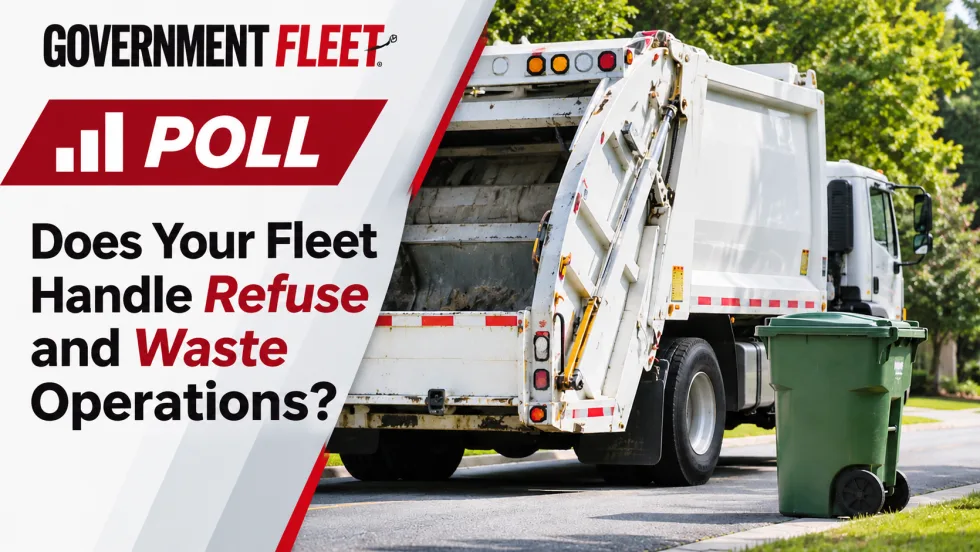
Does Your Government Fleet Handle Refuse and Waste Operations? Take Our Poll
Government Fleet wants to hear from public-sector fleet professionals about their responsibilities for refuse collection and waste management equipment.
Fleet Replacement Decisions, Waste Fleet Technology and the GFX Deadline
Is your next vehicle the right fit, can your records settle a missed pickup dispute, and what could your fleet teach others at GFX 2027?
Is Delaying Fleet Replacement Really Saving Money?
Could delaying replacement cost your fleet more than it saves? This week’s recap takes a closer look, plus an update on GFX 2027.

What Government Fleets Are Missing About Their True Costs
What are fleet budgets missing, and how can agencies use the data they already collect to make a stronger case for change?
Rethinking Fleet Decisions From the Budget Office to the Shop
This October we looked back at how public fleets are reconsidering familiar processes and using what they learn to make better decisions.
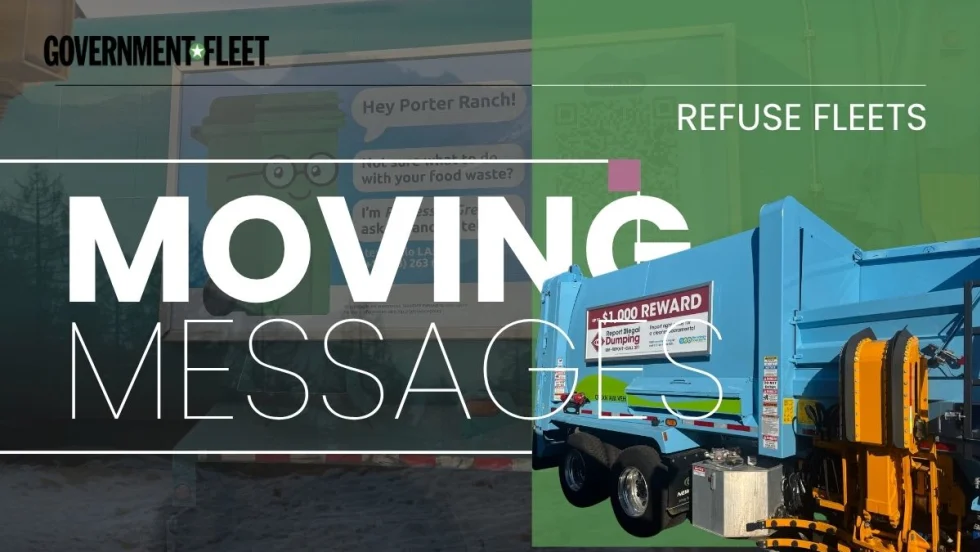
Who Owns the Message on a Refuse Truck?
Refuse trucks can carry public messages into neighborhoods, but keeping those messages current takes planning and clear responsibility.
Who Deserves Fleet Recognition and What Could You Teach at GFX?
Who helped shape your fleet career, and what have you learned that could help someone else?

What’s Haunting Public Sector Fleets?
Public sector fleet challenges rarely happen in isolation, and addressing one often means understanding how it connects to another.
Is Keeping Older Fleet Vehicles Really Saving Money?
Is keeping vehicles longer saving money, and what happens when a diagnostic test points to the wrong fix?