


 MENU
MENU SEARCHMENUSEARCH
Loading data...
Refuel Colorado Fleets provides funding for “energy coaches,” where each will be employed by one four community-based nonprofits and help auto dealers, fuel providers, businesses, and local government entities in the nine counties selected get started in or expand use of alternative fuels.
Read More →The fund total for this round is $925,776 and comes from the Federal Highway Administration through the Congestion Mitigation and Air Quality (CMAQ) Program.
Read More →The Colorado Energy Office and Garfield Clean Energy have partnered to launch Refuel Colorado Fleets, which is a pilot project designed to provide education to fleets interested in incorporating alternative-fuel vehicles into their operations.
Read More →West Virginia University’s National Alternative Fuels Training Consortium (NAFTC) has developed a smartphone app and full training programs for emergency responders being called to help with highway accidents involving specific electric drive and alternative fuel vehicles.
Read More →The City of Beloit is conducting a study in order to create a plan to reduce the City’s petroleum usage, fleet-related costs, and greenhouse gas emissions.
Read More →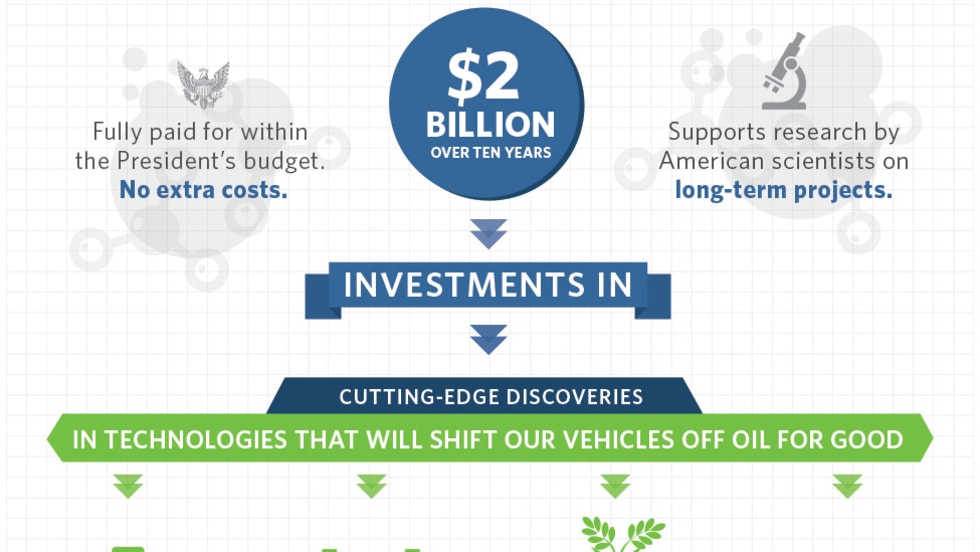
The U.S. Postal Service (USPS) saved $11.7 million in fuel costs through a mix of route optimization, alternative-fuel use, purchasing fuel in bulk, and by encouraging employees to adopt more fuel-efficient driving practices.
Read More →The City of Phoenix, Ariz.’s Mayor Greg Stanton, Vice Mayor Bill Gates, and other community leaders unveiled Phoenix’s new compressed natural gas (CNG) solid waste trucks and its newly enhanced slow-fill fueling station in mid-February.
Read More →Colorado Senate Bill 13-070 requires State entities to purchase vehicles that operate on compressed natural gas (CNG), or other alternative fuels, as long as the increased cost of the vehicle is not more than 10% of the cost of a comparable dedicated petroleum vehicle.
Read More →INDIANAPOLIS – Beyond plug-in hybrids and EVs, the City’s goal is to have all of its sedans, other light-duty vehicles, its heavy-duty units, and its police vehicles equipped with alternative powertrain types by 2025.
Read More →U.S. President Barack Obama delivered a speech at Argonne National Laboratory on Friday, March 15, where he described his proposal for a new U.S. Energy Security Trust.
Read More →