


 MENU
MENU SEARCHMENUSEARCH
Loading data...
DEKALB COUNTY, IL — DeKalb County expects to spend nearly 71 percent more for regular and diesel gasoline this fiscal year than the $188,000 it had budgeted, according to the Daily Inquirer. DeKalb City Manager Mark Biernacki said the city set aside about $220,000 for gas in its FY2006 budget, but expects to exceed that amount by about 20 percent if the current trend continues.
Read More →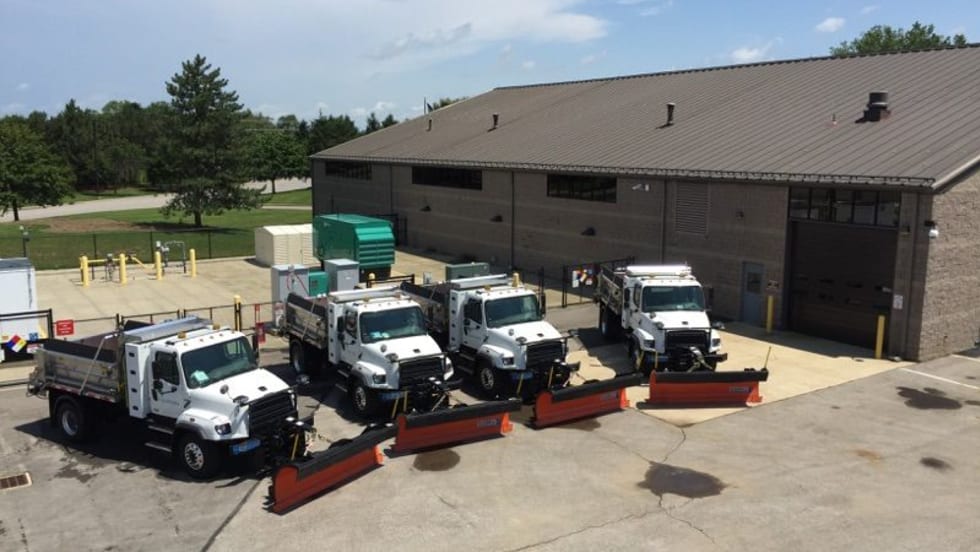
The City of Dublin, Ohio, recently received its first four compressed natural gas (CNG)-powered Freightliner snow plow trucks, bringing its CNG fleet to 63 units.
Read More →SANTA CRUZ, CA – The City of Santa Cruz is thinking of becoming a biofuel producer. Ron Pomerantz, a longtime Santa Cruz resident and member of the city Public Works Commission, would like to see the city scoop up old oil from local restaurants and convert it into biodiesel for the city’s diesel fleet.
Read More →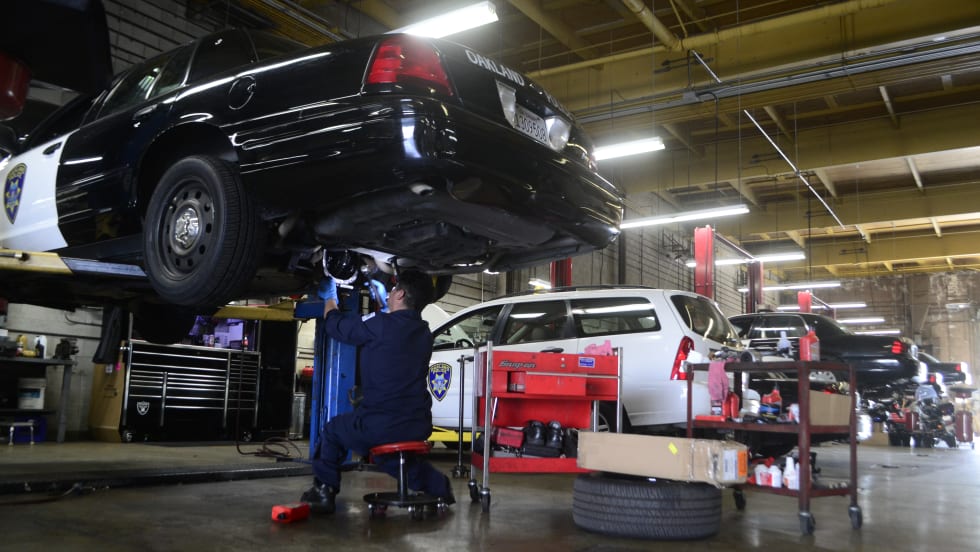
SALEM, VA -- The City of Salem announced that it has switched all of its heavy trucks, buses, and heavy equipment to B-2 biodiesel.
Read More →
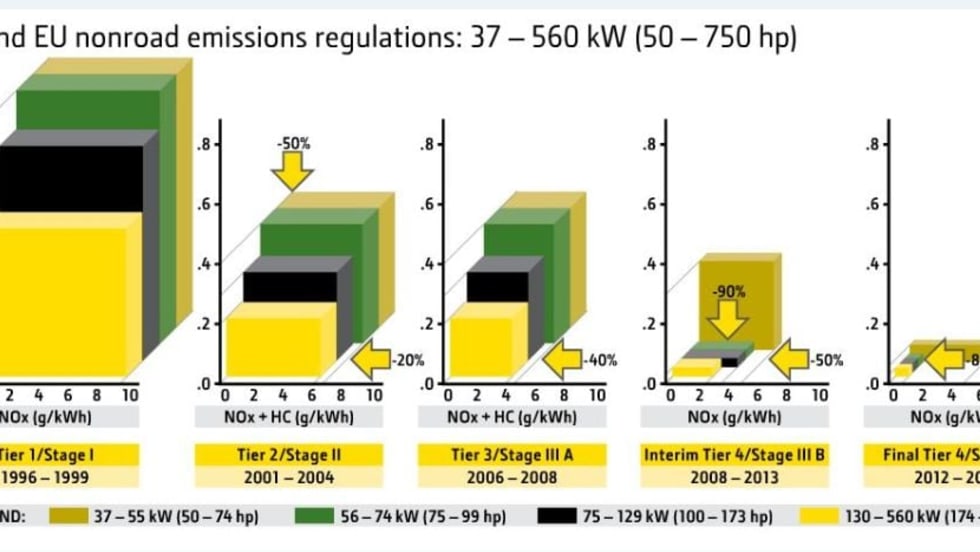
John Deere Power Systems announced July 17 that the company’s engine lineup 174 hp and above received U.S. Environmental Protection Agency (EPA) Final Tier 4, European Union (EU) Stage IV, and California Air Resources Board (CARB) emissions certification.
Read More →
The City of Oakland Fleet Management Division maintains about 1500 on-road assets across two locations. The fleet recently started a financing program, that allows it to catch up on vehicle purchases following a 12-year freeze on replacements. In addition, the fleet has gotten greener, with the use of compressed natural gas, reenwable diesel, and battery-electric vehicles. Photos by Thi Dao
Read More →Through careful use and regular PM maintenance, Los Angeles County Fire Station 92 has gotten 337,000 miles of service out of Squad Truck 592, which was still running strong when the F-350 crew cab was retired.
Read More →The City of Seattle released its updated Green Fleet Action Plan, detailing the steps it needs to take to reduce greenhouse gas emissions by 50% by 2025 and use only fossil-free-fuel by 2030.
Read More →Manufacturers are progressive toward the deadlines for Final Tier 4 emissions requirements for off-highway vehicles. Here, they talk about their plans for compliance and how it will affect fleets.
Read More →While Tier 4 equipment is still new, fleets can get ready to incorporate them by training technicians for the new technology and budgeting for the higher cost.
Read More →