




Tier 4 Vehicles to Trickle Into Off-Road Fleets
While Tier 4 equipment is still new, fleets can get ready to incorporate them by training technicians for the new technology and budgeting for the higher cost.
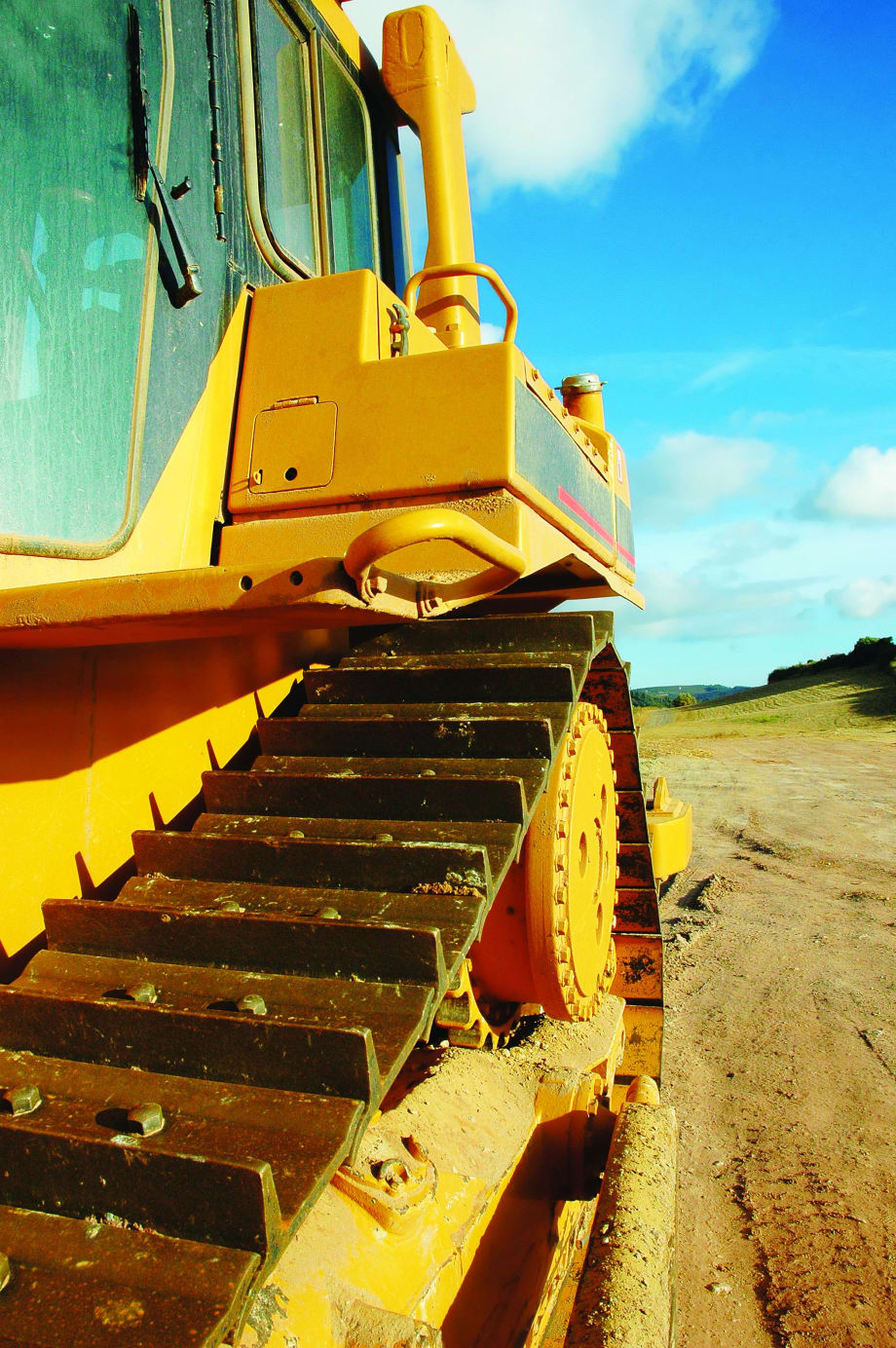
Fleet managers have not yet felt the full effects of the Tier 4 technology for off-road equipment but are preparing for them. ISTOCK Photo.
Fleet managers have not yet felt the full effects of the Tier 4 technology for off-road equipment but are preparing for them. ISTOCK Photo.
All the talk surrounding Tier 4 equipment regulations for off-road units may seem like a lot for fleets to absorb. However, most fleet managers are slowly incorporating the new equipment, which allows time for them to adjust to the price difference and train technicians.
The Environmental Protection Agency (EPA) requires engine manufacturers to produce new engines with advanced emission control technologies similar to those for on-road trucks and buses, and Tier 4, both interim and final, is the latest to roll out for many engine sizes.
Although manufacturers have been rolling out new products to fulfill the requirements, fleets outside of California are not in a huge rush to implement Tier 4 off-road equipment. “In a lot of cases, they don’t have to,” said Mike Buckantz, CEO of Associates Environmental, an environmental consulting firm specializing in air quality, water quality, and waste management regulatory compliance assistance.
Buckantz, who covered Tier 4 requirements in a presentation at the annual Association of Equipment Management Professionals (AEMP) conference in March, explained that “most states are willing to let the newer equipment kind of trickle in to the market on a natural cycle,” he said. “With the way the regulation is structured, if you have a Tier 4 interim piece of equipment, you can keep it as long as you want. No one’s going to make you get rid of it.”
Public sector fleets across the country should take advantage of this phase-in period. Those that Government Fleet has spoken with are doing what they can with the resources they have to get ready for the new equipment.
Preparation Has Been Key
With new filters and more sophisticated electronics than any other piece of off-road equipment, training has been an important part of the process in getting fleet operations caught up.
For the City of Orlando, Fleet Manager Daryl Greenlee, who spent the early part of his career with the city on the technician side as an off-road and heavy truck technician, planned out one month in advance to make sure that the workload would not fall behind while 27 operators and staff members were trained over a span of two full days. Greenlee helped prepare the setting for the manufacturer, who provided all the training.
Although 89% of his technicians hold an ASE certification, 56% with Master status, “their training [on this new equipment] is limited, so they need to rely on the manufacturers,” he said, noting that the equipment dealer takes care of major repairs and maintenance. So far, city technicians have only handled tasks such as lubrication and general maintenance.
About 10-11% of the City’s fleet is off-road equipment, which is generally kept in service for 10 years. As far as Tier 4, Greenlee said the fleet has received two John Deere 544K machines that meet the interim Tier 4 requirements, but he doesn’t expect to see an impact for about another two years until the rest of his off-road units are due for replacement.
“Many of us forecasted and bumped up replacement cycles before Tier 4 equipment,” he explained. By purchasing available equipment before the Tier 4 equipment was released, the fleet is pushing back the effects of the transition, as well as the costs. “Later, we’ll be getting a lot of backhoes, excavators, etc., and that will be when we’ll actually see the impact,” he said.
The units the fleet does have in place have proven to be helpful in terms of accountability. “From the operators’ standpoint, it’s the same machine, but [with the telematics], employees are more accountable and we don’t have to just rely on drivers to track their operating hours, thus
reducing idle times,” Greenlee said.
Because more advanced Tier 4 equipment cost more, Greenlee said savings from fleet right-sizing efforts helped offset these costs.
Costs Limit Implementation
The City of Fort Worth operates a total of 482 off-road units in its 3,528-unit fleet. Of those, 15 pieces (a mix of Caterpillar and John Deere equipment) meet Tier 4 requirements, according to Bill Sterner, CAFM, CEM, equipment services supervisor.
Sterner, who spent the first half of his 31-year career with the City on the technician side as an off-road mechanic and medium/heavy truck mechanic, said the fleet has limited the purchase of off-road units that incorporate the Tier 4 technology due to economic conditions. “[We] currently are seeking such and expect to have an increase in Tier 4 off-road units within the next few years,” he noted.
Based on the fleet’s experience with Tier 4 engines on its on-road medium/heavy trucks, Sterner anticipates an increase in costs for maintenance. “We currently see a lot of warranty repairs on our medium/heavy truck engines due to Tier 4 component failure. Warranties are expiring and consequently, many of these repairs will now be customer-paid,” he said.
While general fleet maintenance is performed in-house by the knowledgeable fleet staff, some maintenance for the new units has been outsourced due to workload and limited familiarity with the equipment.
Caterpillar and several other manufacturers have provided training to the Fort Worth staff for the new technology, but Sterner said “the biggest challenge is operator training and coaching them to adopt new processes to account for the new operation parameters of the Tier 4 equipment.”
Time Will Tell
While initial impressions seem to be on the pessimistic side, the impact of the Tier 4 engines on government fleets will take a few years to play out.
Lee County, Fla., which has a total of 1,866 units (850 off-road) and operates most of its fleet at Tier 3, has so far only really seen the impact of Tier 4 on on-road vehicles. “As we continue to replace older equipment, we will feel the impact [on off-road equipment] more significantly,” said Marilyn Rawlings, CEM, fleet manager.
Her experience with the current on-road Tier 4 units in place hasn’t been the most favorable. According to Rawlings, the equipment is doing exactly the opposite of what it was designed to do. “When it shuts down, we send an older, more reliable [not Tier 4] truck to get it. This raises the cost of overall ownership. We have seen higher residual values on the older pieces we sell, as no one wants the Tier 4 equipment,” she said. Rawlings also noted increased downtime due to the diesel particulate filter (DPF) shutting off machines.
Time will tell if these issues will persist for off-road equipment as well, but in the meantime it would serve fleets well to familiarize themselves with new equipment by taking advantage of the training available by manufacturers and networking with peers.
Tier 4 Engines: Certified or ‘Compliant’?
Certified: Engine certifications are obtained by the manufacturer to meet Tier 4 emission standards
Compliant: Engine satisfies EPA’s phase-in allowance, and is legal to sell and operate in the U.S., but is not certified to the Tier 4 emission standards (i.e., lower-tier engines EPA and CARB allow to be installed in a current model-year machine)
At a glance |
Fleets dealing with Tier 4 requirements are:
|
Sources:
Mike Buckantz, chief executive officer, Associates Environmental
Daryl Greenlee, fleet manager, Fleet & Facilities Management Division, City of Orlando
Marilyn Rawlings, CEM, fleet manager, Lee County Fleet Management, Fla.
Bill Sterner, CAFM, CEM, equipment services supervisor, City of Fort Worth
More Green Fleet
Sustainability Partners, Energy Systems Group Help Albuquerque Close the Gap on its 100% Renewable Energy Goal
The eight-site, 6 MW solar project has advanced the city toward 100% renewable energy for municipal operations.
Read More →
Port Authority and CALSTART Launch $45 Million Electric Truck and Charging Programs
The programs aim to boost sustainable operations across the East Coast's busiest seaport.
Read More →
Moving Government Fleets Beyond the Vehicle Purchase: EV as a Service
A discussion on how EVaaS is moving beyond pilot programs and what fleets should consider before beginning a larger deployment.
Read More →
Moving Government Fleets Beyond the Vehicle Purchase: EV as a Service
As fleets move beyond small EV pilots, Sustainability Partners CEO Adam Cain explains how EVaaS can address the infrastructure and long-term planning required for larger deployments.
Read More →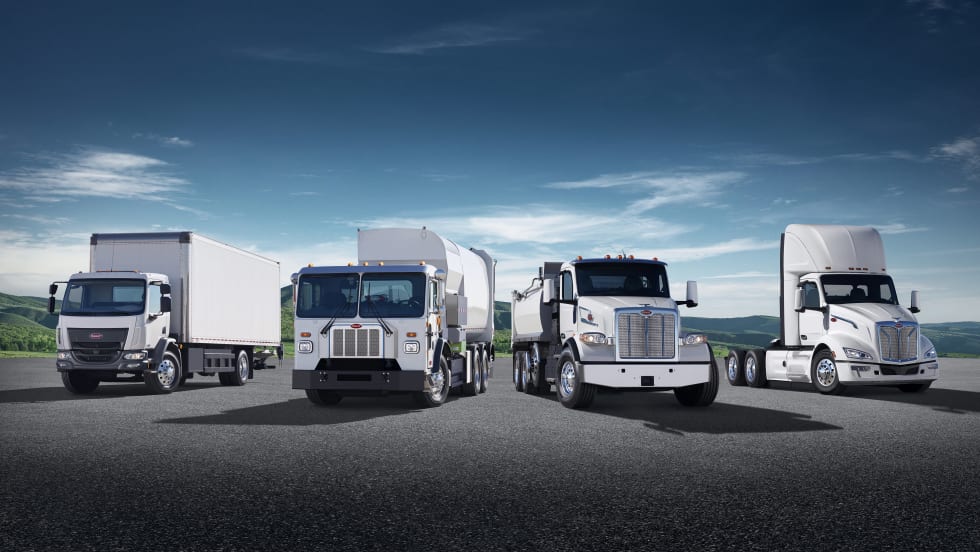
Peterbilt Expands Sourcewell Partnership with Electric Vehicle Lineup
The agreement aims to provide streamlined procurement of Peterbilt trucks for government, education, nonprofit and tribal organizations across the United States and Canada.
Read More →
EV Adoption & Charging Challenges
Where is your fleet in the journey of vehicle electrification? If you're still looking for answers to fleet electrification you've come to the right place.
Read More →
Hawaii Passes Clean Fuel Policy
Hawaii lawmakers passed clean fuel legislation that could support renewable natural gas production, biogas-powered transportation, and lower-carbon fueling options for public and commercial fleets.
Read More →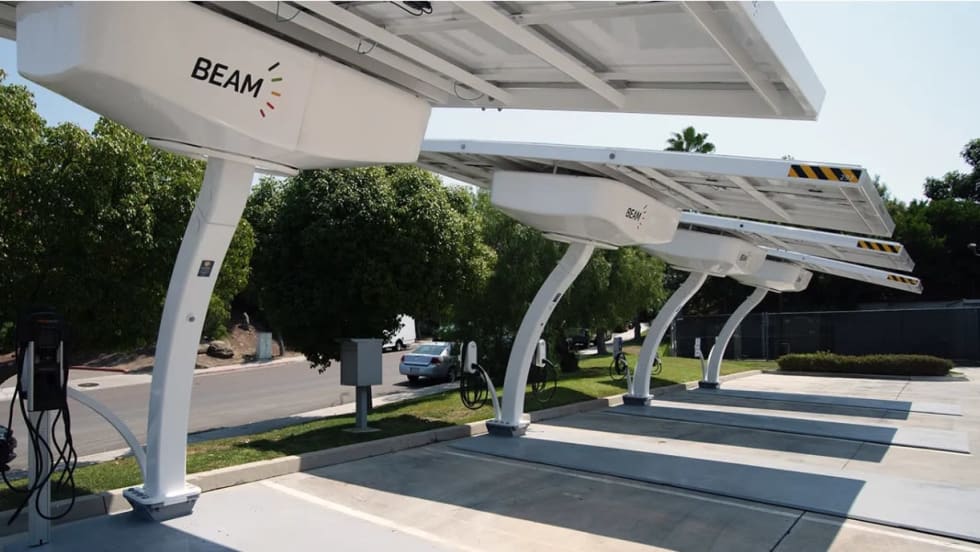
Stanislaus County Deploys Ten Beam Global EV ARC Systems to Support County Fleet Electrification
Stanislaus County deployed 10 off-grid solar-powered EV charging systems and a mobile charging trailer from Beam Global to support its electric fleet operations and emergency response flexibility.
Read More →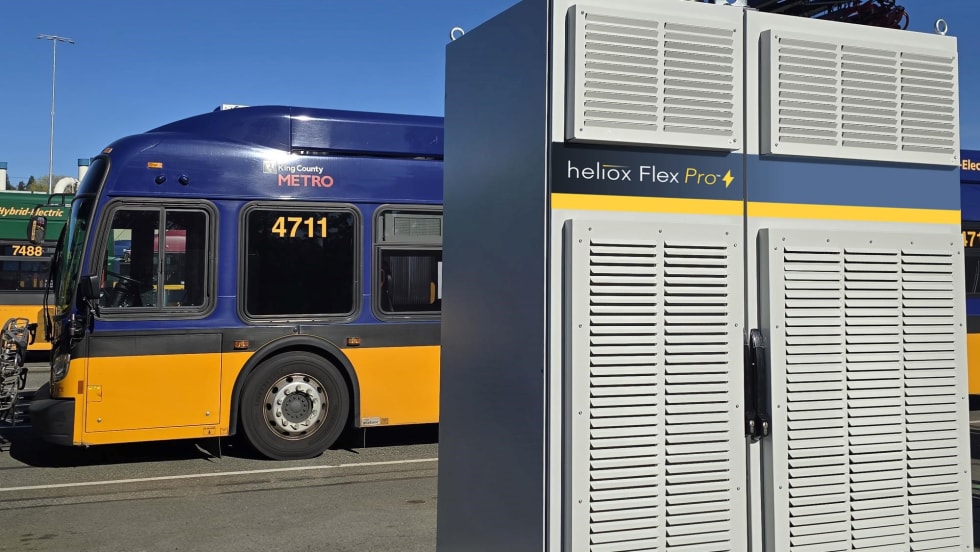
Heliox Pilots 480-kW Bus Charger with King County Metro
King County Metro is piloting Heliox’s new 480-kW Flex Pro charger to support expansion of its battery-electric bus fleet and depot charging infrastructure. The compact charging system supports pantograph and plug-in charging configurations for high-density transit operations.
Read More →