


 MENU
MENU SEARCHMENUSEARCH
Loading data...
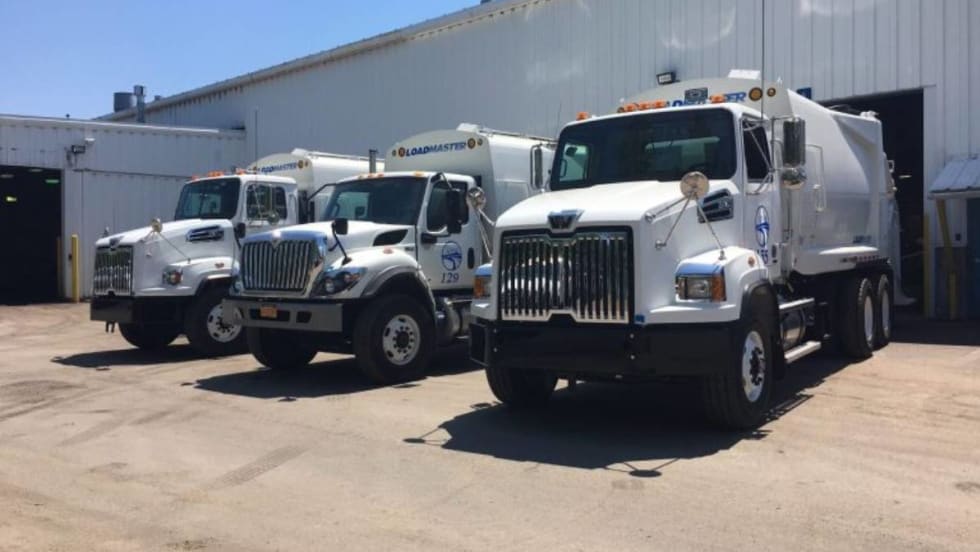
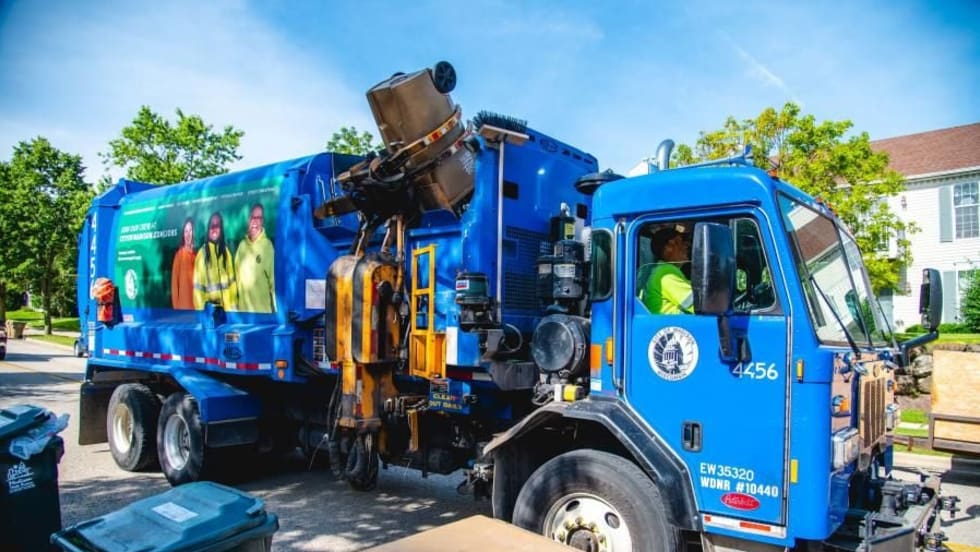
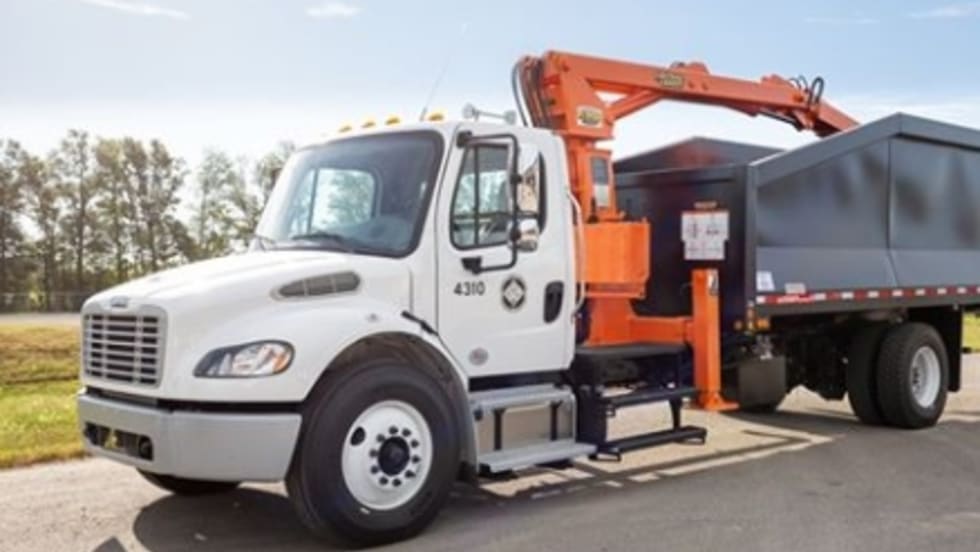
The city will qualify to be reimbursed 50% of the total cost of the two new sanitation trucks from grants.
Read More →
Find out which actions made the list this year.
Read More →Just as passenger vehicles are becoming safer and more connected, so too are refuse trucks. But these complex fleet assets are also setting some of their own trends specific to their specialized function.
Read More →Waste volume has increased between 5% and 30% nationally on residential routes as people stay home to slow the spread of the COVID-19 virus.
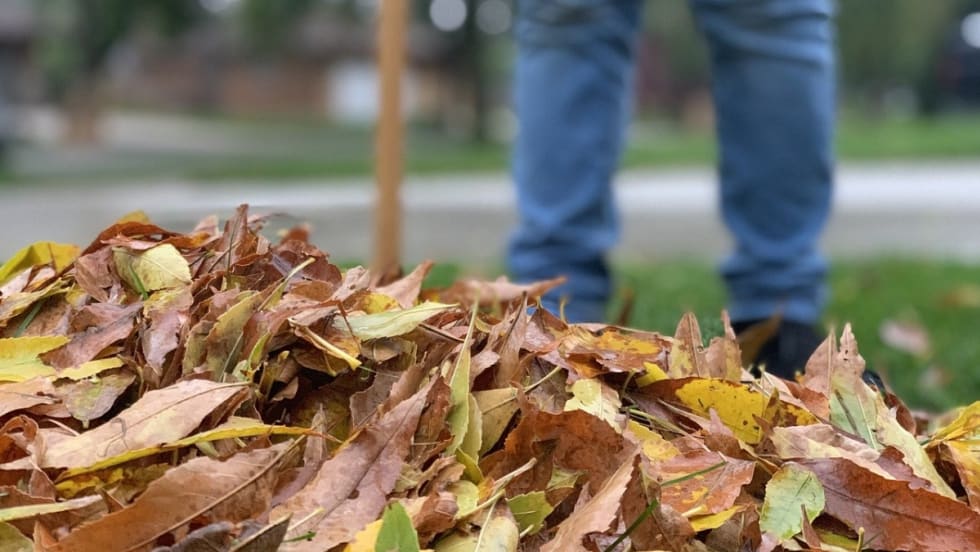
Read More →The City of Greensboro, N.C., announced it is suspending all residential curbside yard waste collection as these trucks must be operated by two or three workers.
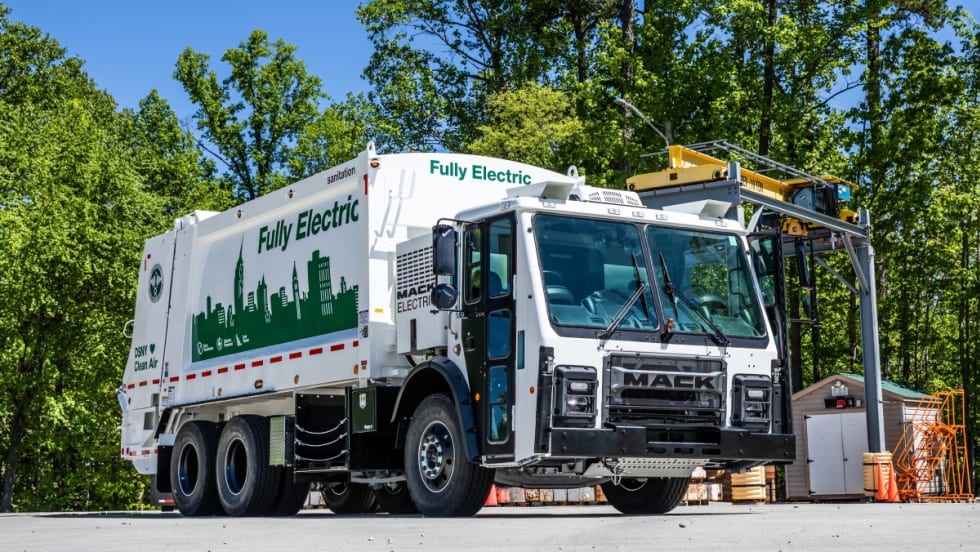
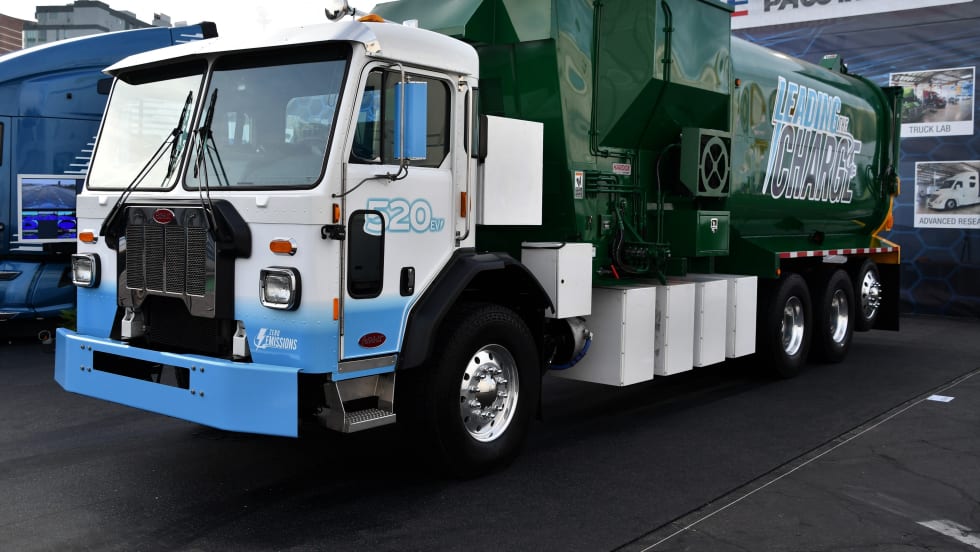
Read More →Los Angeles Sanitation has committed to transitioning its entire refuse truck fleet to zero-emission trucks by 2035. All LA Sanitation’s truck procurement will be 100% electric within the next two years.
Read More →The City of Cambridge will replace three aging refuse vehicles with plug-in hybrid trucks, partially thanks to grant funding.
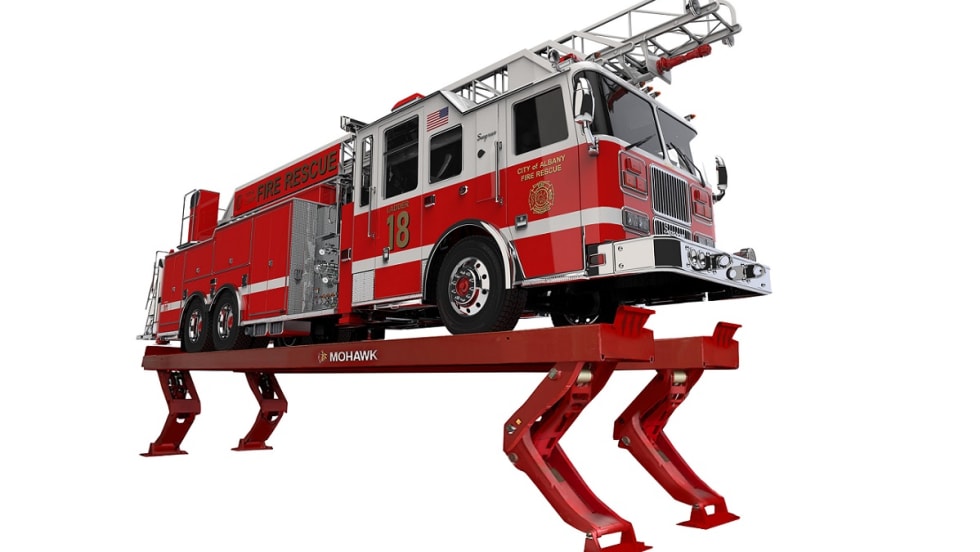
Read More →The Mohawk VRL ranges in capacity from 33,000 to 99,000 lbs.
Read More →The City of Madison fleet began slowly introducing biodiesel for the past year. This summer marked the first time all ten city fueling sites dispensed B-20.
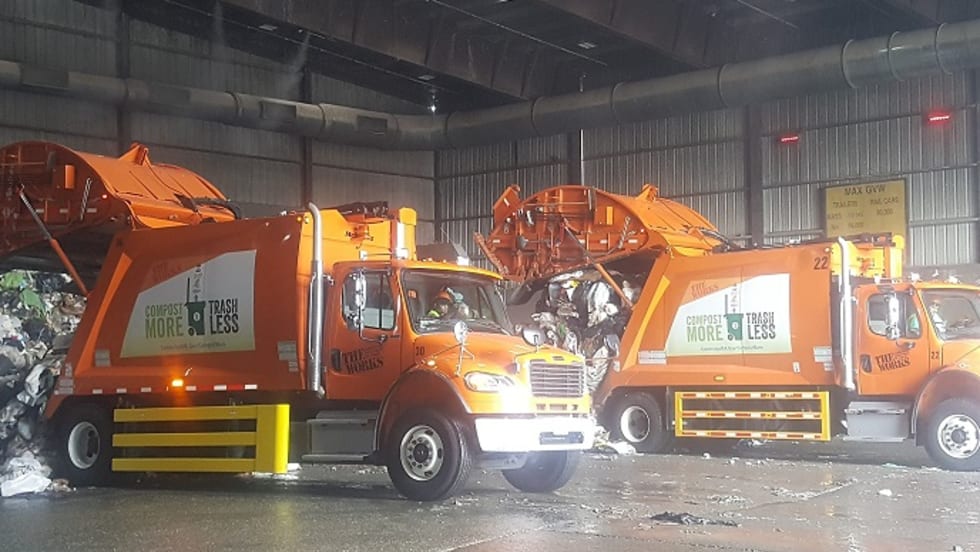
Read More →The City of Jonesboro, Ark., has leased three new sanitation trucks because its current fleet has had repeated breakdowns, resulting in missed or delayed services.
Read More →