


 MENU
MENU SEARCHMENUSEARCH
Loading data...
Some bright ideas include a replacement plan based on priority, annual calculations of replacement points, and a cash-only plan.
Read More →A fleet manager offers his seven tips for grant applications. Other fleets allow short-term equipment rental, started equipment rebuilding programs, and devised a fleet standardization policy.
Read More →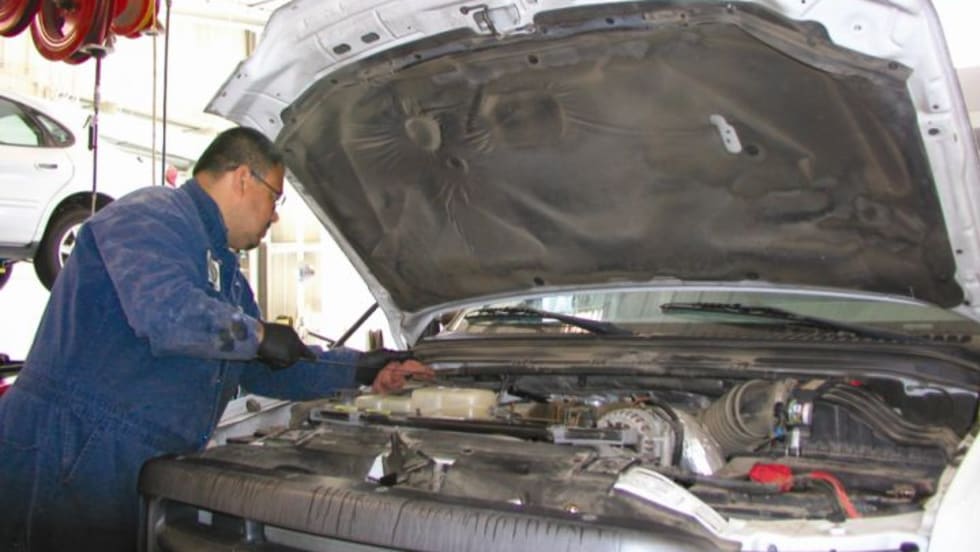
San Antonio Water Systems completed quality of life initiatives to increase staff productivity. Other government fleets used a training matrix, created learning and networking opportunities, installed internet in shop waiting areas, and started a youth internship program.
Read More →


Successful green efforts include switching to alternative fuel vehicles, reducing petroleum consumption, running on re-refined oil, and implementing policies on idling, purchasing, right-sizing, and downsizing.
Read More →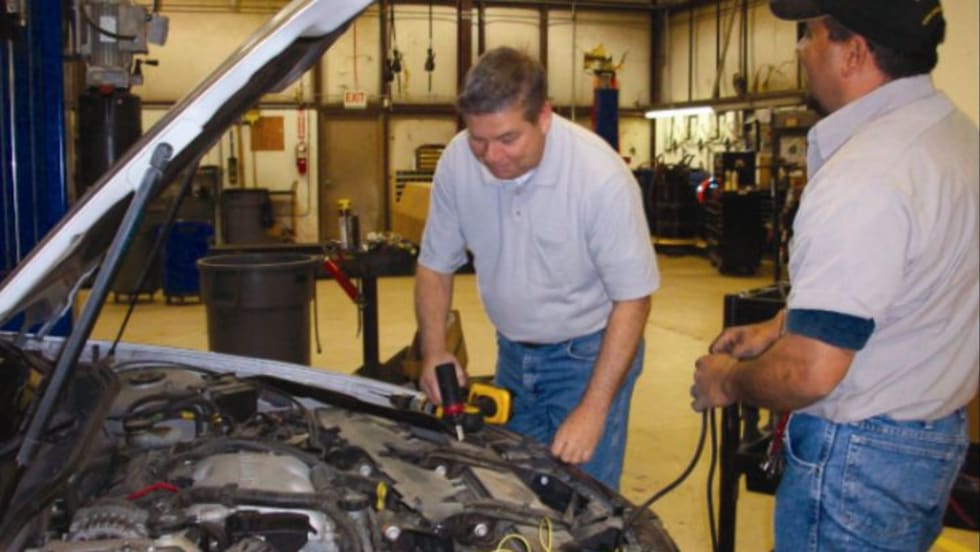

When David Vasquez created a vehicle justification model to better assess take-home vehicle need, he not only lowered costs by avoiding excess commuter miles, but also gained a better handle on costs of ownership.
Read More →Disaster preparation, quality inspection, bumper stickers, and cutting lead from operations are just some ways these fleets ensure safety.
Read More →Monthly e-mail reminders, a communications team, and providing an internal Fleet Web page are just some ways these fleets are improving communication.
Read More →In-house emissions testing can cut vehicle downtime, while recycling scrap metal and used oil can help cover shop expenses.
Read More →Conducting customer service surveys and using the results to address customer concerns is just one way to improve user satisfaction.
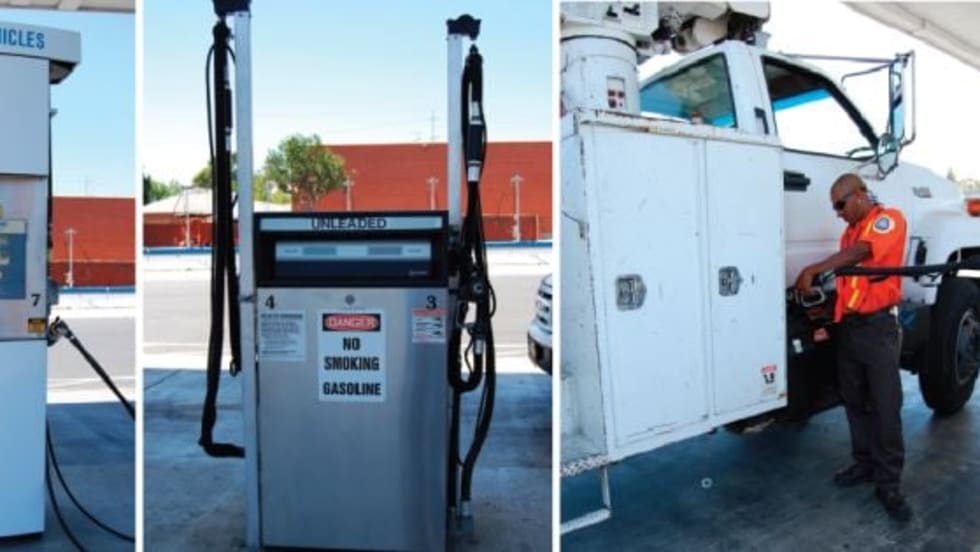
Read More →Applying basic best practices such as right-sizing and idling reduction are effective approaches to trimming fuel costs. Using a web-based data management system, purchasing fuel-efficient vehicles, and relocating a key fueling station are other ways to reduce fuel consumption and man-hours.
Read More →