




Similar Content: San Diego Aims for Mostly ZEV Fleet by 2035
Washington, D.C. Targets 2026 for ZEV-Only Purchases
The district as a whole has set a goal of reaching carbon neutrality by 2045. To reach that goal, the legislation requires the local government to be carbon neutral by 2040.

Christy Grimes・Former Senior Editor
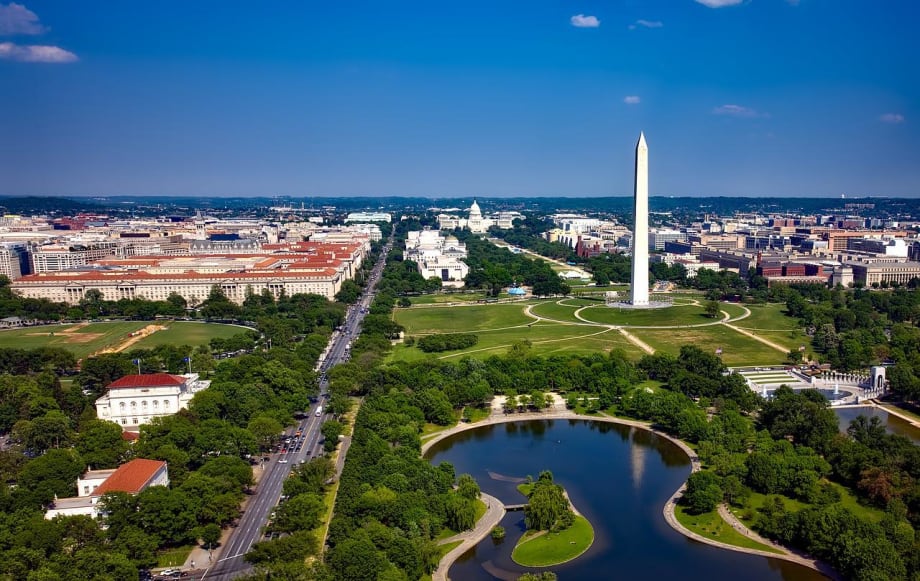
Beginning in 2026, fleet vehicle purchases and leases for Washington, D.C. must be zero-emissions vehicles (ZEVs), when the models needed are readily available and on the market.
Photo: David Mark via Pixabay
2 min to read
Beginning in 2026, fleet vehicle purchases and leases for Washington, D.C. must be zero-emission vehicles (ZEVs). That's according to the district's Climate Commitment Act of 2022, recently signed by Mayor Muriel Bowser. The legislation focuses on creating a carbon neutral local government. The district as a whole has set a goal of reaching carbon neutrality by 2045. To reach that goal, the legislation requires the local government to be carbon neutral by 2040.
A separate piece of legislation, considered at the same time at the Climate Commitment Act, establishes a net zero building code. The Clean Energy DC Building Code Amendment Act requires all new buildings and large renovations to be net-zero construction by 2026. The DCist reports that Councilmember Mary Cheh, who introduced the bills, explained that buildings account for close to 75% of the district's emissions.
“These two bills – which I’m proud the Council was able to fund in full in the Fiscal Year 2023 budget – are a tremendous step forward in the District’s work to cut emissions that contribute to climate change," Cheh said of the bill signings. "No one can say the District is not doing its part to address both the causes and effects of climate change, and hopefully this legislation will be a model for other jurisdictions to follow.”
The purchasing and leasing requirement allows exceptions based on whether certain ZEV types are readily available on the market. According to the legislation, the market availability of ZEVs considers the large amount of vehicles that district agencies must purchase, and whether there are electric versions of larger vehicles like snowplows.
A staff member for the DC Council's told Government Fleet the legislation does not mean the district will immediately need to sell or scrap existing internal combustion engine vehicles. It means that as those vehicles reach the end of their lifespan, their replacements will need to be ZEVs.
The Department of Public Works has installed and manages more than 100 EV charging stations, 99 of which were installed during fiscal year 2021 alone. The department is also transitioning a number of its vehicles that cannot be electric vehicles (EVs) to biodiesel.
Department of Public Works-Owned Alternative Fuel Vehicles
(as of spring 2021):
Natural Gas (CNG): 70
Flex Fuel (E85-Ethanol): 191
Electric: 3
Plug-In Hybrid: 32
Hybrid: 48
Biodiesel: 475
100% Biodiesel: 24
More Green Fleet
Sustainability Partners, Energy Systems Group Help Albuquerque Close the Gap on its 100% Renewable Energy Goal
The eight-site, 6 MW solar project has advanced the city toward 100% renewable energy for municipal operations.
Read More →
Port Authority and CALSTART Launch $45 Million Electric Truck and Charging Programs
The programs aim to boost sustainable operations across the East Coast's busiest seaport.
Read More →
Moving Government Fleets Beyond the Vehicle Purchase: EV as a Service
A discussion on how EVaaS is moving beyond pilot programs and what fleets should consider before beginning a larger deployment.
Read More →
Moving Government Fleets Beyond the Vehicle Purchase: EV as a Service
As fleets move beyond small EV pilots, Sustainability Partners CEO Adam Cain explains how EVaaS can address the infrastructure and long-term planning required for larger deployments.
Read More →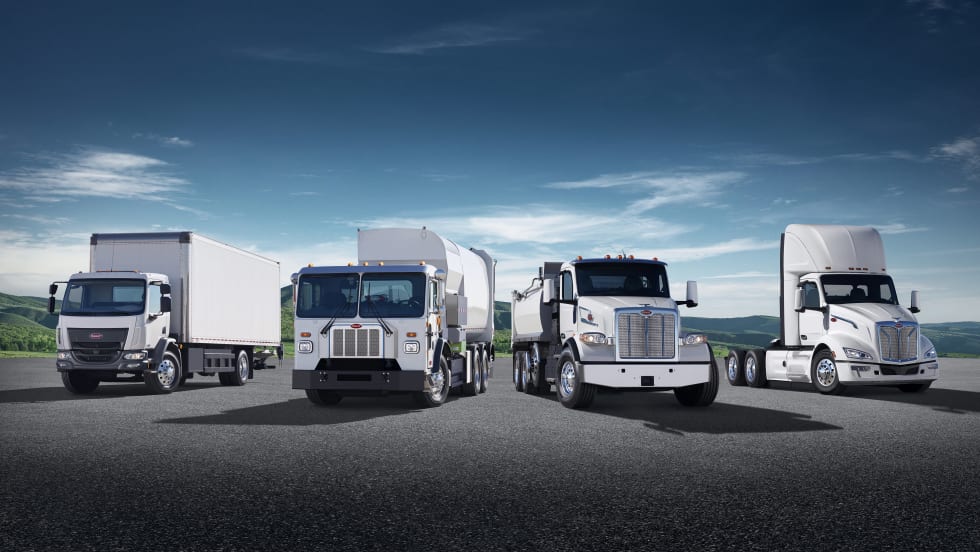
Peterbilt Expands Sourcewell Partnership with Electric Vehicle Lineup
The agreement aims to provide streamlined procurement of Peterbilt trucks for government, education, nonprofit and tribal organizations across the United States and Canada.
Read More →
EV Adoption & Charging Challenges
Where is your fleet in the journey of vehicle electrification? If you're still looking for answers to fleet electrification you've come to the right place.
Read More →
Hawaii Passes Clean Fuel Policy
Hawaii lawmakers passed clean fuel legislation that could support renewable natural gas production, biogas-powered transportation, and lower-carbon fueling options for public and commercial fleets.
Read More →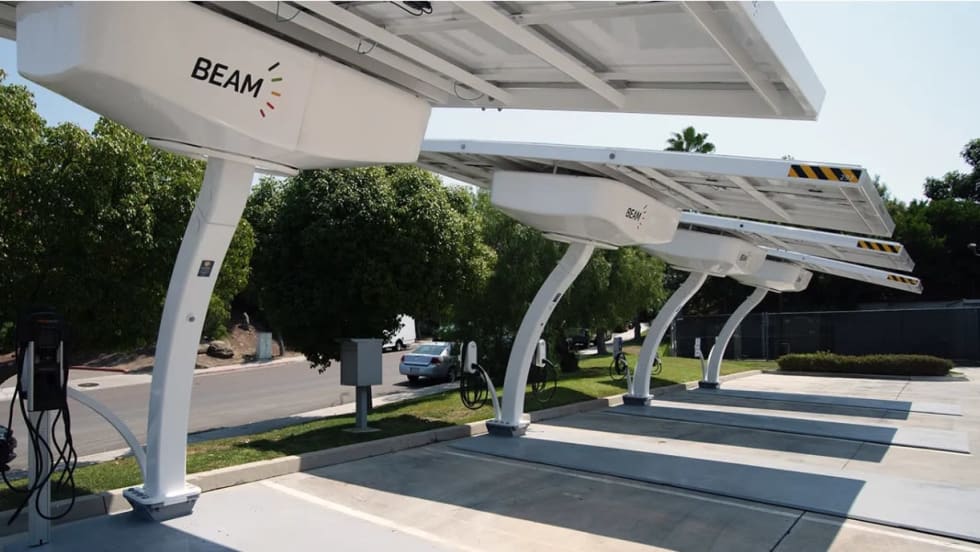
Stanislaus County Deploys Ten Beam Global EV ARC Systems to Support County Fleet Electrification
Stanislaus County deployed 10 off-grid solar-powered EV charging systems and a mobile charging trailer from Beam Global to support its electric fleet operations and emergency response flexibility.
Read More →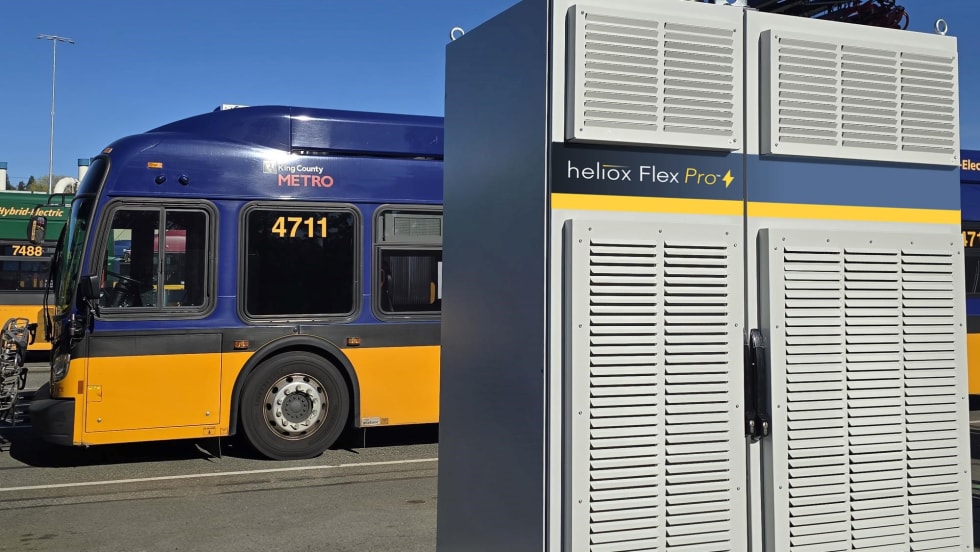
Heliox Pilots 480-kW Bus Charger with King County Metro
King County Metro is piloting Heliox’s new 480-kW Flex Pro charger to support expansion of its battery-electric bus fleet and depot charging infrastructure. The compact charging system supports pantograph and plug-in charging configurations for high-density transit operations.
Read More →