





Related: Washington State to Conduct EV Analysis for All Public Fleets
Wash. State EVs Surpass 1M-Mile Mark
Through an initiative in 2015, Governor Jay Inslee directed state agencies to make 20% of new passenger vehicle purchases electric by 2017. This year, Inslee upped the ante to 50% by 2020.
June 25, 2019
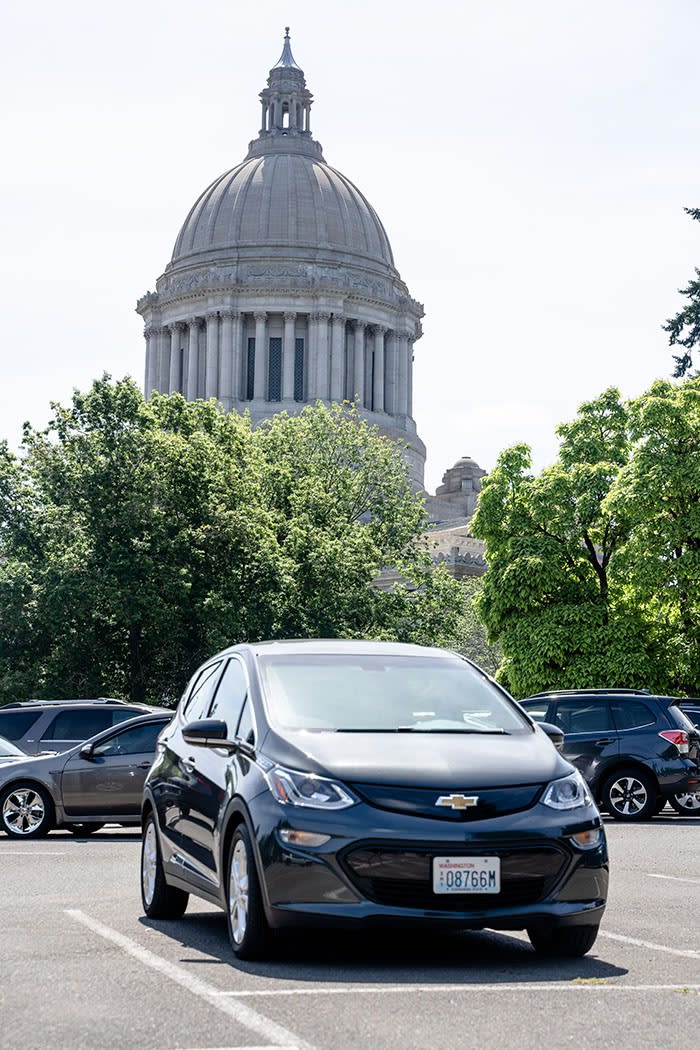
The Washington Department of Enterprise Services manages a fleet that includes 113 long-range electric vehicles, such as this Chevrolet Bolt.
Photo courtesy of Washington DES
2 min to read
Washington State’s 113 long-range electric vehicles (EVs) managed by the Department of Enterprise Services (DES) have been driven one million miles, the department announced. The milestone was reached this month, just over two years after the state introduced long-range EVs into its fleet. Through an initiative in 2015, Governor Jay Inslee directed state agencies to make 20% of new passenger vehicle purchases electric by 2017. This year, Inslee upped the ante to 50% by 2020.
“Our EV Fleets Initiative is just one way we’re transforming state government and embracing clean cars, clean buildings, and clean energy. We all benefit from procurement policies that are reducing carbon emissions, saving money, protecting public health and securing a healthier future for all Washingtonians,” Inslee said in a statement.
The state's long-range EV fleet consists of Chevrolet Bolts, which have a range of more than 238 miles. Jennifer Reynolds, communications consultant for DES, said the longer range is important because employees often have business in Seattle and can take the vehicle from the capital, Olympia, to Seattle and back — a 120-mile trip — without recharging.
Since April 2017, Washington state agencies have saved more than 42,000 gallons of fuel and reduced more than 375 metric tons of carbon emissions by driving electric vehicles managed by the DES, according to the department.
“This is the first milestone of many more to come,” said DES Fleet Operations Manager George Carter III.
Carter’s team advises agencies that lease vehicles from DES to make the transition to EVs. Some of the EVs in the state fleet are leased to agencies and some are used as daily rentals for official state business. DES manages and maintains about one-third of the total state fleet. Other agencies, such as the Department of Transportation, manage their own fleets. Of the DES’s vehicles, about 40% are passenger vehicles that could be transitioned to electric.
“Agency transportation managers were familiar with short-range EVs and the mileage limitations they had,” Carter said. “Our staff met with them and held ride-and-drive events so users could test drive the vehicles. The outreach really seemed to ease range anxiety amongst our customers.”
Reynolds said the department is on track to meet its 50% goal by 2020. The department plans to order 50 more EVs in the next year.
More Green Fleet
Sustainability Partners, Energy Systems Group Help Albuquerque Close the Gap on its 100% Renewable Energy Goal
The eight-site, 6 MW solar project has advanced the city toward 100% renewable energy for municipal operations.
Read More →
Port Authority and CALSTART Launch $45 Million Electric Truck and Charging Programs
The programs aim to boost sustainable operations across the East Coast's busiest seaport.
Read More →
Moving Government Fleets Beyond the Vehicle Purchase: EV as a Service
A discussion on how EVaaS is moving beyond pilot programs and what fleets should consider before beginning a larger deployment.
Read More →
Moving Government Fleets Beyond the Vehicle Purchase: EV as a Service
As fleets move beyond small EV pilots, Sustainability Partners CEO Adam Cain explains how EVaaS can address the infrastructure and long-term planning required for larger deployments.
Read More →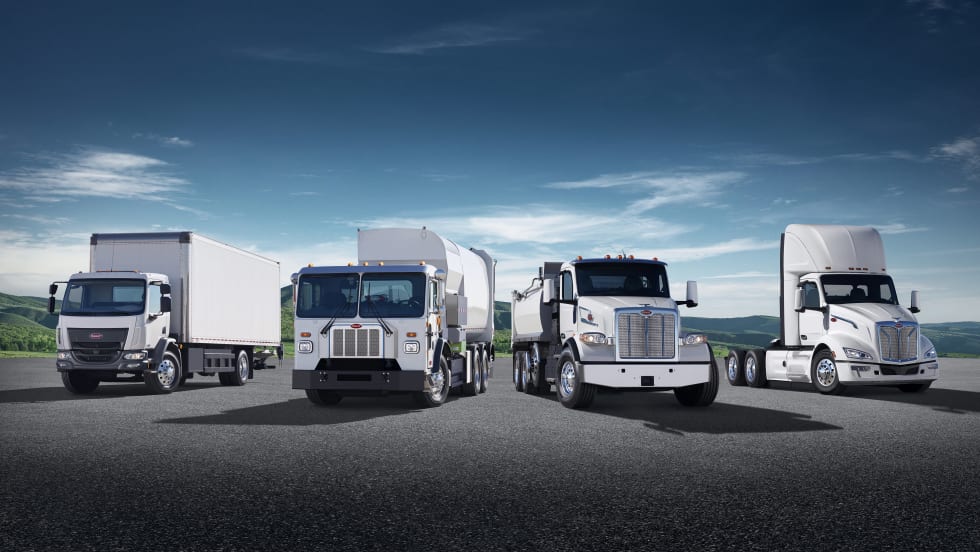
Peterbilt Expands Sourcewell Partnership with Electric Vehicle Lineup
The agreement aims to provide streamlined procurement of Peterbilt trucks for government, education, nonprofit and tribal organizations across the United States and Canada.
Read More →
EV Adoption & Charging Challenges
Where is your fleet in the journey of vehicle electrification? If you're still looking for answers to fleet electrification you've come to the right place.
Read More →
Hawaii Passes Clean Fuel Policy
Hawaii lawmakers passed clean fuel legislation that could support renewable natural gas production, biogas-powered transportation, and lower-carbon fueling options for public and commercial fleets.
Read More →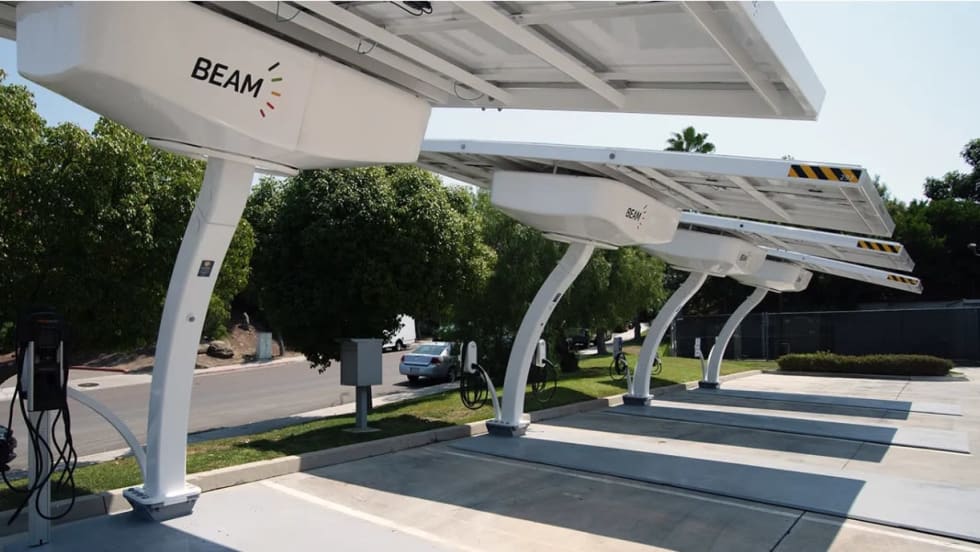
Stanislaus County Deploys Ten Beam Global EV ARC Systems to Support County Fleet Electrification
Stanislaus County deployed 10 off-grid solar-powered EV charging systems and a mobile charging trailer from Beam Global to support its electric fleet operations and emergency response flexibility.
Read More →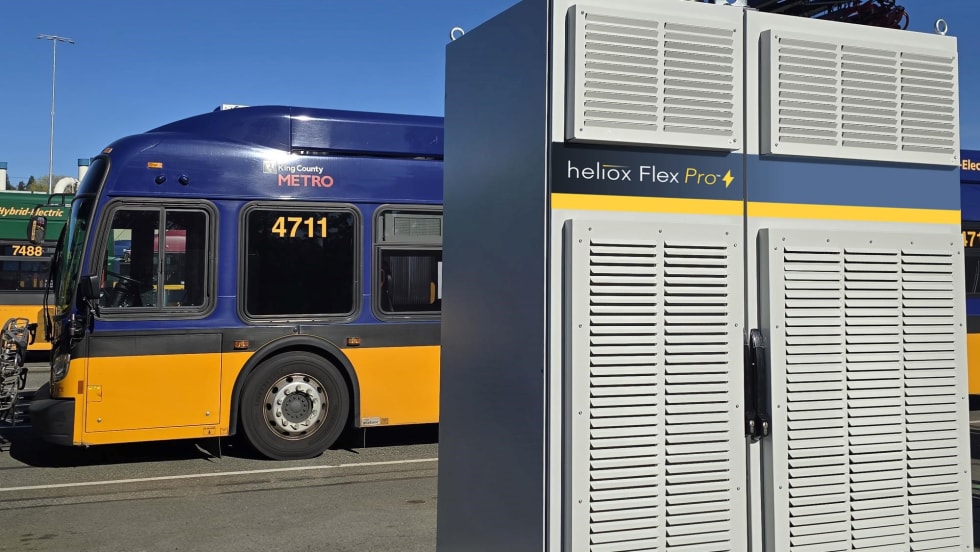
Heliox Pilots 480-kW Bus Charger with King County Metro
King County Metro is piloting Heliox’s new 480-kW Flex Pro charger to support expansion of its battery-electric bus fleet and depot charging infrastructure. The compact charging system supports pantograph and plug-in charging configurations for high-density transit operations.
Read More →