





Similar Content: A Roadmap for U.S. Postal Service Electrification
USPS Finalizing Plan To Replace Fleet
The U.S. Postal Service is rolling forward with its purchasing plan to replace its current fleet with 90% gas-powered trucks and 10% battery electric vehicles.
February 25, 2022
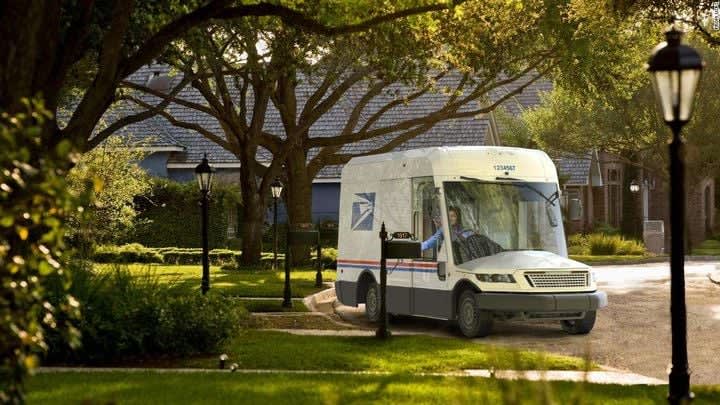
Oshkosh Defense will manufacture the USPS' next generation delivery vehicle, like the one pictured above.
Photo: USPS
2 min to read
The U.S. Postal Service is rolling forward with its purchasing plan to replace its current fleet with 90% gas-powered trucks and 10% battery electric vehicles (EVs). The Next Generation Delivery Vehicle (NGDV) program allows for an increase in the amount of EVs should additional funding become available.
The NGDV program is set to deliver its first 5,000 EVs beginning next year.
This week, the USPS announced it completed its obligations under the National Environmental Policy Act (NEPA) process, which evaluated the potential environmental impacts of the NGDV program. The Postal Service filed a record of decision (ROD) with the Federal Register on Wednesday.
“As we have reiterated throughout this process, our commitment to an electric fleet remains ambitious given the pressing vehicle and safety needs of our aging fleet as well as our fragile financial condition. As our financial position improves with the ongoing implementation of our 10-year plan, Delivering for America, we will continue to pursue the acquisition of additional BEV as additional funding — from either internal or congressional sources — becomes available,” said Postmaster General and USPS CEO Louis DeJoy. “But the process needs to keep moving forward. The men and women of the U.S. Postal Service have waited long enough for safer, cleaner vehicles to fulfill on our universal service obligation to deliver to 161 million addresses in all climates and topographies six days per week.”
The Postal Service has the federal government’s largest and oldest vehicle fleet.
The ROD details USPS’s response to feedback recently received from the Environmental Protection Agency (EPA) about the Postal Service’s assessment of the environmental impacts of the NGDV program. The Postal Service’s assessment is detailed in a 340-page Final Environmental Impact Statement (FEIS), which was published under the NEPA process in January.
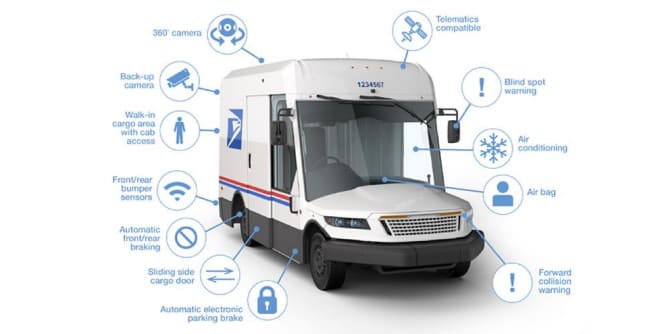
Photo: USPS
According to a press release, the NGDV program provides for the introduction of internal-combustion and electric-powered, purpose-built vehicles that deliver significant reductions in vehicle emissions and improvements in fuel economy when compared to the existing delivery vehicle fleet.
The Postal Service faced backlash from the Biden Administration and the Environmental Protection Agency over its NGDV plan, which calls for its fleet mix to be 10% EV. In its ROD, the Postal Service noted that it understands a 100% mix of EVs would deliver even greater emission benefits and the program is designed to increase the mix of EVs as financial resources become available.
The USPS receives no annual government funding for operating expenses and relies on the sale of postage, products and services to fund its operations.
The NGDVs will be manufactured by Oshkosh Defense.
More Green Fleet
Sustainability Partners, Energy Systems Group Help Albuquerque Close the Gap on its 100% Renewable Energy Goal
The eight-site, 6 MW solar project has advanced the city toward 100% renewable energy for municipal operations.
Read More →
Port Authority and CALSTART Launch $45 Million Electric Truck and Charging Programs
The programs aim to boost sustainable operations across the East Coast's busiest seaport.
Read More →
Moving Government Fleets Beyond the Vehicle Purchase: EV as a Service
A discussion on how EVaaS is moving beyond pilot programs and what fleets should consider before beginning a larger deployment.
Read More →
Moving Government Fleets Beyond the Vehicle Purchase: EV as a Service
As fleets move beyond small EV pilots, Sustainability Partners CEO Adam Cain explains how EVaaS can address the infrastructure and long-term planning required for larger deployments.
Read More →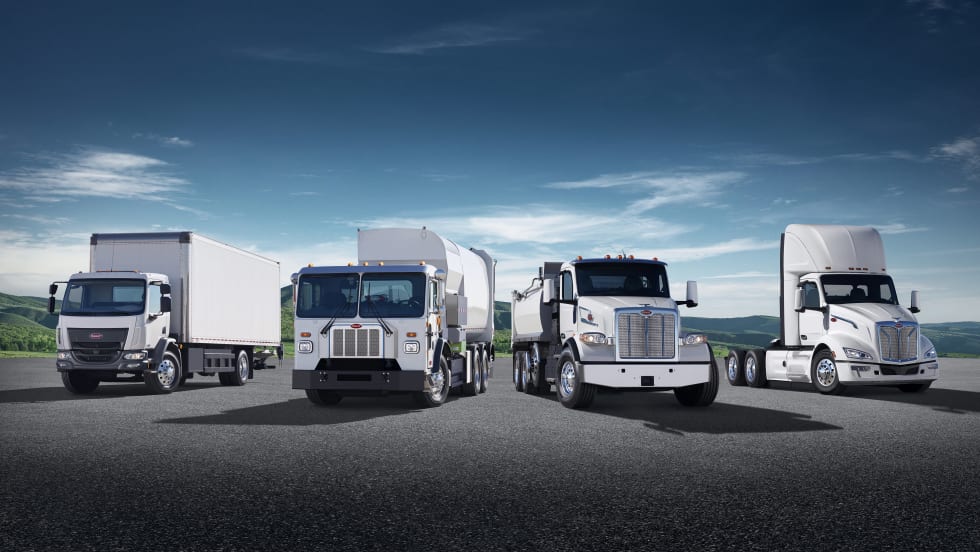
Peterbilt Expands Sourcewell Partnership with Electric Vehicle Lineup
The agreement aims to provide streamlined procurement of Peterbilt trucks for government, education, nonprofit and tribal organizations across the United States and Canada.
Read More →
EV Adoption & Charging Challenges
Where is your fleet in the journey of vehicle electrification? If you're still looking for answers to fleet electrification you've come to the right place.
Read More →
Hawaii Passes Clean Fuel Policy
Hawaii lawmakers passed clean fuel legislation that could support renewable natural gas production, biogas-powered transportation, and lower-carbon fueling options for public and commercial fleets.
Read More →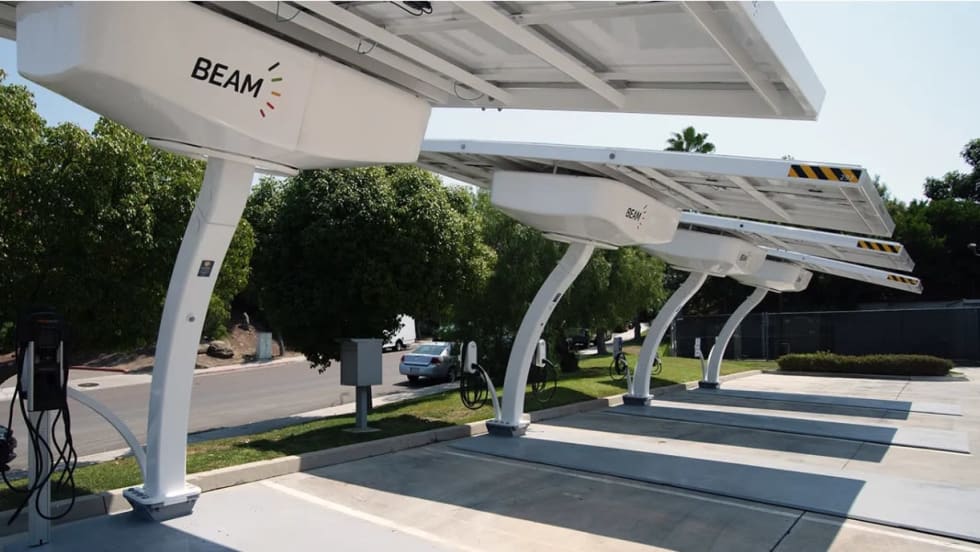
Stanislaus County Deploys Ten Beam Global EV ARC Systems to Support County Fleet Electrification
Stanislaus County deployed 10 off-grid solar-powered EV charging systems and a mobile charging trailer from Beam Global to support its electric fleet operations and emergency response flexibility.
Read More →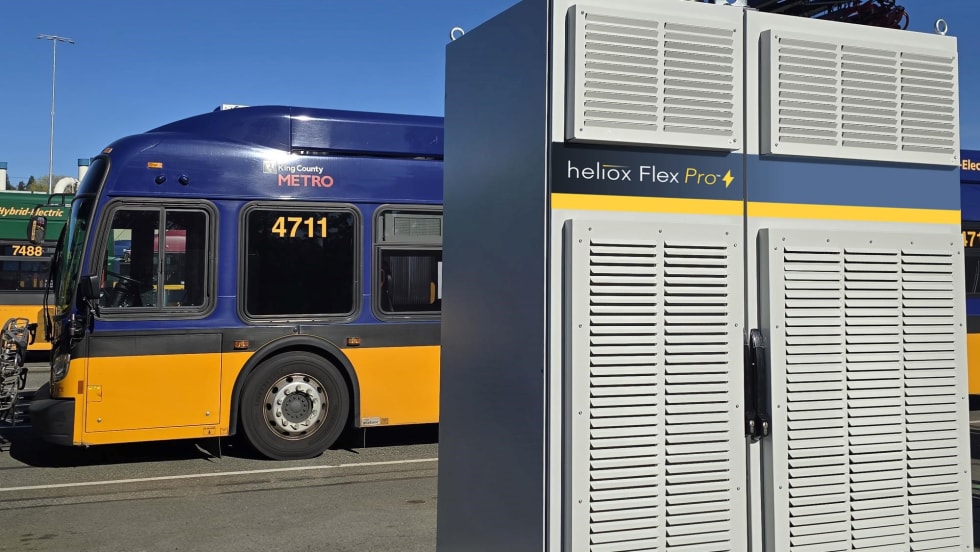
Heliox Pilots 480-kW Bus Charger with King County Metro
King County Metro is piloting Heliox’s new 480-kW Flex Pro charger to support expansion of its battery-electric bus fleet and depot charging infrastructure. The compact charging system supports pantograph and plug-in charging configurations for high-density transit operations.
Read More →