




U.S. Supreme Court Rules that South Coast Air Quality Management District Went too Far with Anti-Smog Rules
The United States Supreme Court ruled on April 28 that a Southern California air quality management district may have gone too far in imposing its own anti-smog rules for city buses, airport shuttles, and other vehicles.
WASHINGTON, D.C. -- The United States Supreme Court ruled on April 28 that a Southern California air quality management district may have gone too far in imposing its own anti-smog rules for city buses, airport shuttles, and other vehicles. Justices voted 8-1 on the case involving the South Coast Air Quality Management District. The nation's high court sided with oil companies and diesel engine manufacturers who claimed that local pollution rules conflict with national standards. The San Francisco-based Ninth U.S. Circuit Court of Appeals upheld the tougher local rules, but the decision was voided by the high court. The Supreme Court sent the case back to California to consider the issues. Supreme Court Justice Antonin Scalia, writing for the court, said that the emissions rules appear to be blocked by the federal Clean Air Act. “If one state or political subdivision may enact such rules, then so may any other; and the end result would undo Congress's carefully calibrated regulatory scheme,'' he wrote. Justice David H. Souter filed the only dissent. Souter, of New Hampshire, said he disagreed that the Clean Air Act “prohibits one of the most polluted regions in the United States from requiring private fleet operators to buy clean engines that are readily available on the commercial market.'' The rules apply to Los Angeles, San Bernardino, Riverside and Orange counties, which together have the nation's worst air-quality problem. The restrictions were imposed in 2000 and apply to fleets of vehicles such as buses, waste haulers and others. The Clean Air Act gives states some authority to set their own rules. At issue in the case were local standards.
More Operations

How Government Fleets Are Turning Connected Vehicle Data Into Practical Decisions
Public sector fleets are using connected technology to improve visibility, but the bigger challenge is building the processes to act on the information it provides.
Read More →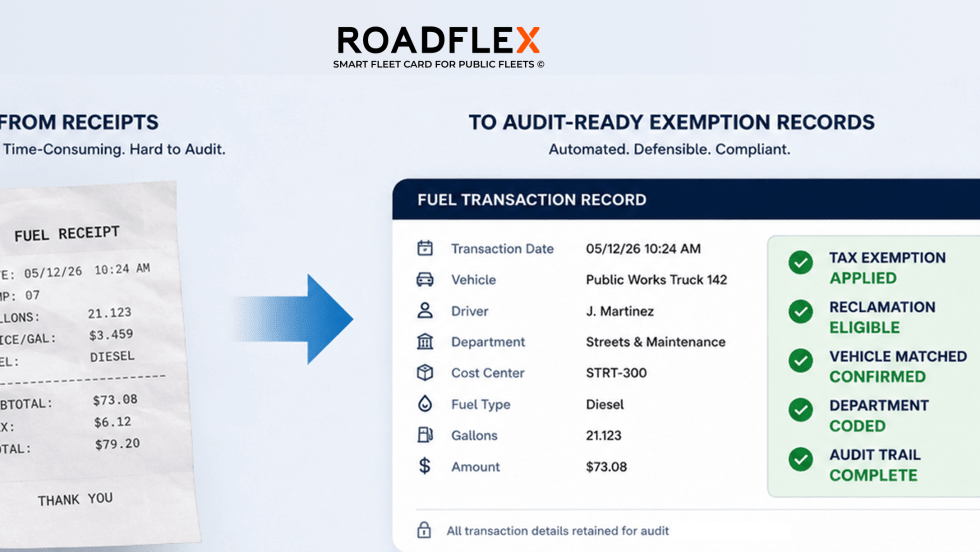
RoadFlex Brings Fuel Tax Compliance and Audit-Ready Reporting to Government, Public Works Fleets
New capabilities aim to help public-sector and public works fleets streamline fuel tax exemptions, reclamation, reconciliation, and audit-ready reporting.
Read More →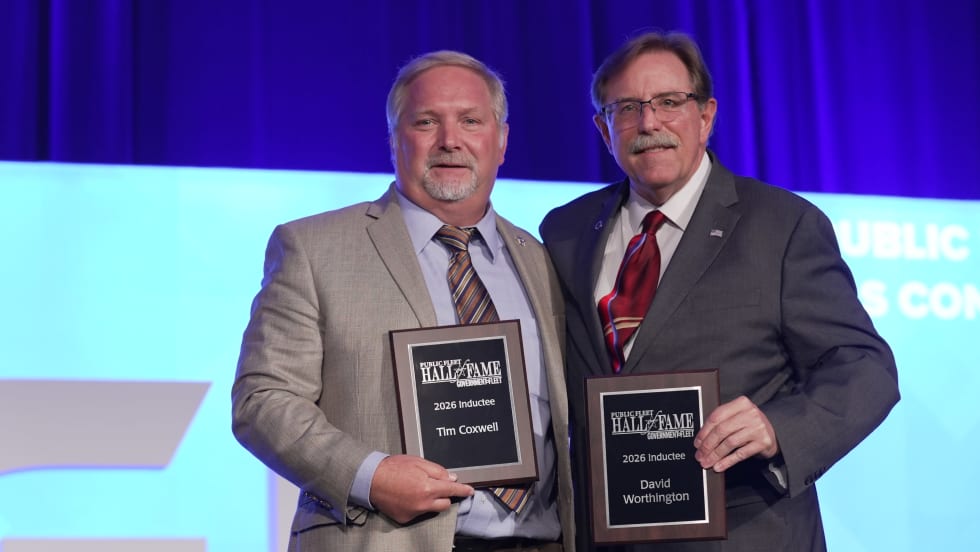
2026 Public Fleet Hall of Fame Inductees Honored
This year's class includes leaders whose work has helped shape the public fleet industry.
Read More →

David Renschler Receives 2026 Legendary Lifetime Achievement Award
Andy Campbell of Sourcewell, which partnered with Government Fleet in presenting the award, recognized Renschler.
Read More →
Ross Jackson Jr. Named 2026 Public Sector Fleet Manager of the Year
His leadership, innovation, and commitment to excellence earned him one of the industry's top honors.
Read More →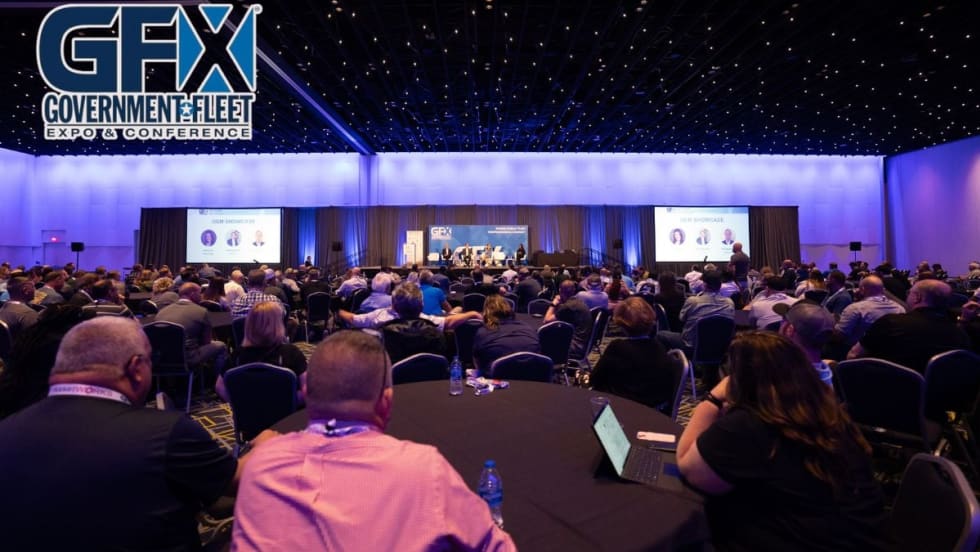
Public Fleet Professionals Set to Converge as GFX Gets Underway
Known as the largest gathering of public fleet professionals in the nation, GFX will feature in-depth training sessions, emerging fleet technologies, and access to leading suppliers and service providers.
Read More →
The Technician Pipeline: Finding, Keeping, and Promoting Techs Within the Operation
A look at where to find good talent, what fleets are doing to incentivize those techs to stay within the fleet, and what promotion looks like for a technician within the public sector.
Read More →
5 Public Fleet Stories Worth Revisiting Before GFX | The May Dispatch
Public fleet leaders are being asked to prepare for more, communicate better, and make decisions that hold up under pressure.
Read More →
Drive More Profit with Greater Fleet Uptime
Fleet downtime costs money. JASPER helps keep vehicles on the road with quality remanufactured components, fast nationwide delivery, and reliable solutions that boost uptime and profitability.
Read More →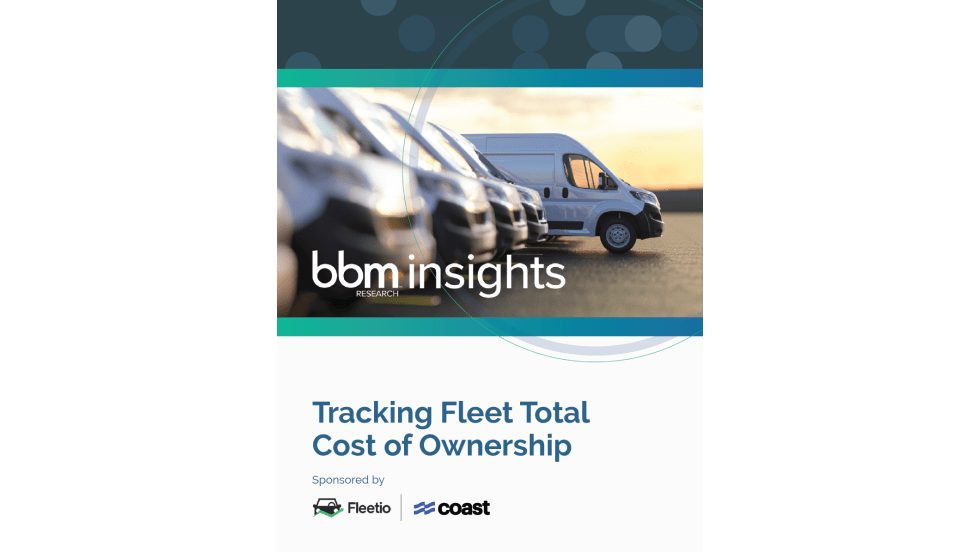
Are You Tracking Your Fleet's True Total Cost of Ownership?
Bobit Business Media surveyed 190 fleet professionals and found that while most fleets are tracking costs, fragmented systems and data gaps are keeping true TCO visibility out of reach. With rising pressure to control spend in an increasingly volatile environment, the gap between what fleets think they know and what the data actually shows is wider than you might expect. See how your peers are managing costs today and where the industry still has room to improve.
Read More →