




UC Davis Adds Alt-Fuel Vehicles Via Research Program Partnership
DAVIS, CA - UC Davis's Fleet Services division is adding hybrid, PHEV, electric, and CNG vehicles to its fleet this year.
DAVIS, CA – The University of California, Davis, is planning to expand its fleet of hybrid vehicles and is bidding on electric vehicles. The university has just fewer than 1,000 on road vehicles, and more than 100 miscellaneous utility carts and non-road vehicles.
“UC Davis is expanding our fleet of hybrid vehicles and intends to procure electric vehicles in the future,” said Richard E. Battersby, director of Fleet Services for UC Davis. “We have 17 plug-in hybrid electric vehicle (PHEV) Prius sedans and 53 hybrid electric vehicles in the fleet, as well as many experimental vehicles on campus. We are out to bid on a Chevrolet Volt, and will have additional Volts, Leafs, and Prius PHEVs in use this year.”
In addition to adding hybrid, PHEV, and electric vehicles, the university recently added six biodiesel-powered VW Jetta sedans, two Honda Civic CNG sedans, 19 CNG transit buses, and a CNG refuse truck.
According to Battersby, Fleet Services is able to obtain alternative-fuel vehicles more easily due to its relationship with the Institute of Transportation Studies on campus.
“I am fortunate to be able to work so closely with the Institute of Transportation Studies (ITS) here on campus,” Battersby said. They perform testing and validation work as well as alternative fuel and advanced technology vehicle research, so we are able to deploy more clean-air vehicles than a typical standalone fleet. UC Davis was the first California fleet to test biodiesel, and we have a strong and mature Compressed Natural Gas (CNG) vehicle program.
“We continue to expand our biodiesel and CNG use while exploring plug-in hybrid, battery electric, and, hopefully this year, propane-powered vehicles,” Battersby said.
These days, as with many publicly funded institutions, budget and funding considerations tend to affect UC Davis’ fleet’s ability to acquire alternative-fuel vehicles.
“While educating and training drivers on specific alternative fuel vehicles (AFV) is always a consideration, I’d have to say that as of late funding for alternative fueled vehicles is probably the single biggest challenge we face,” Battersby said. “Alternative fuel vehicles require the supporting infrastructure to fuel them and typically cost more than standard gasoline- or diesel-powered vehicles. Even though there are record amounts of funding available for AFVs, there just doesn’t seem to be money to fund all of the projects that we would like to do.”
Battersby was one of the primary organizers of the recent electric vehicle conference in Napa, Calif., which exceeded expectations in terms of attendance and interest. Battersby said he learned of an additional funding source at the conference in addition to getting a chance to learn about different EV manufacturers and technology suppliers and network with other fleet managers.
“While I am familiar with grant funding opportunities, I also learned that Wells Fargo has a specific CleanTech & Emerging Tech Market division that can assist with fleet financing used specifically for clean air vehicle purchases,” he said. “Where else could you accomplish all this in just one afternoon?”
By Greg Basich
More Green Fleet
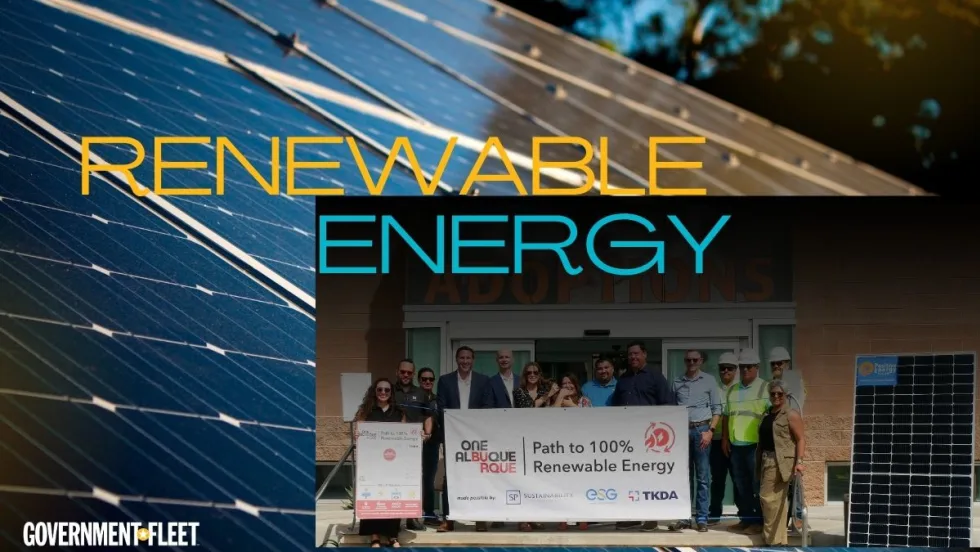
Sustainability Partners, Energy Systems Group Help Albuquerque Close the Gap on its 100% Renewable Energy Goal
The eight-site, 6 MW solar project has advanced the city toward 100% renewable energy for municipal operations.
Read More →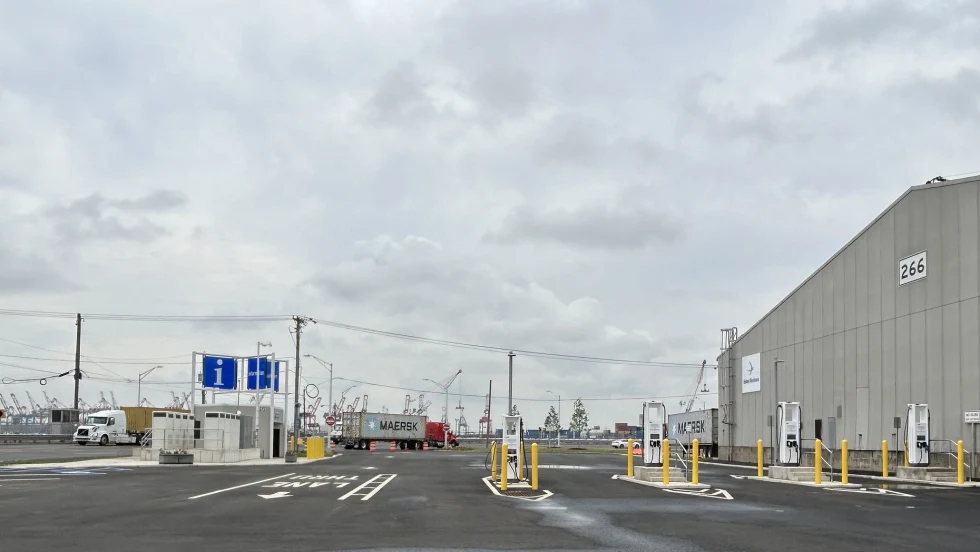
Port Authority and CALSTART Launch $45 Million Electric Truck and Charging Programs
The programs aim to boost sustainable operations across the East Coast's busiest seaport.
Read More →
Moving Government Fleets Beyond the Vehicle Purchase: EV as a Service
A discussion on how EVaaS is moving beyond pilot programs and what fleets should consider before beginning a larger deployment.
Read More →
Moving Government Fleets Beyond the Vehicle Purchase: EV as a Service
As fleets move beyond small EV pilots, Sustainability Partners CEO Adam Cain explains how EVaaS can address the infrastructure and long-term planning required for larger deployments.
Read More →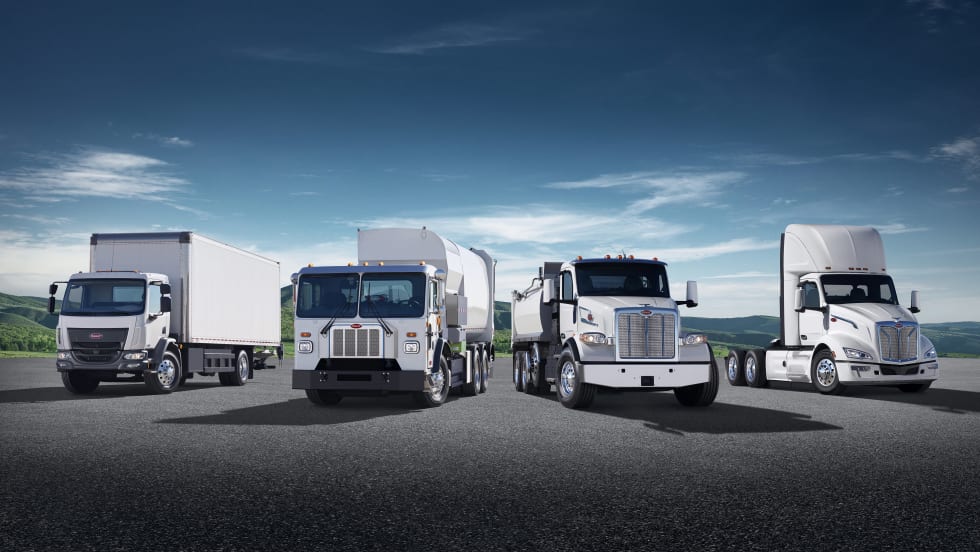
Peterbilt Expands Sourcewell Partnership with Electric Vehicle Lineup
The agreement aims to provide streamlined procurement of Peterbilt trucks for government, education, nonprofit and tribal organizations across the United States and Canada.
Read More →
EV Adoption & Charging Challenges
Where is your fleet in the journey of vehicle electrification? If you're still looking for answers to fleet electrification you've come to the right place.
Read More →
Hawaii Passes Clean Fuel Policy
Hawaii lawmakers passed clean fuel legislation that could support renewable natural gas production, biogas-powered transportation, and lower-carbon fueling options for public and commercial fleets.
Read More →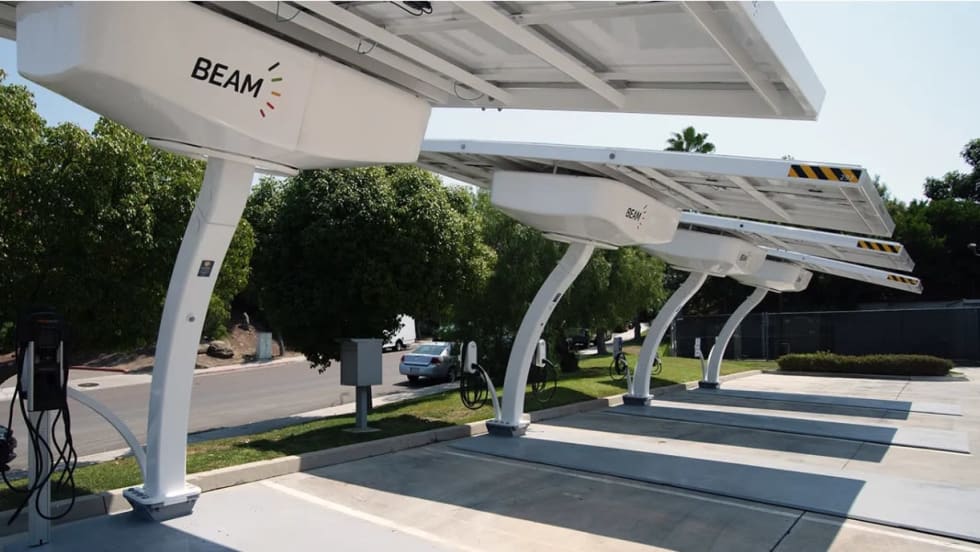
Stanislaus County Deploys Ten Beam Global EV ARC Systems to Support County Fleet Electrification
Stanislaus County deployed 10 off-grid solar-powered EV charging systems and a mobile charging trailer from Beam Global to support its electric fleet operations and emergency response flexibility.
Read More →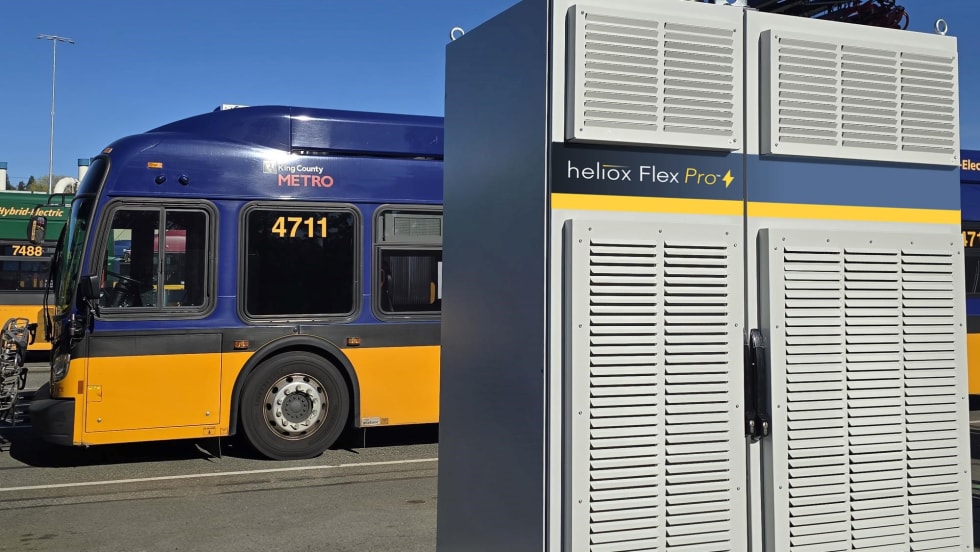
Heliox Pilots 480-kW Bus Charger with King County Metro
King County Metro is piloting Heliox’s new 480-kW Flex Pro charger to support expansion of its battery-electric bus fleet and depot charging infrastructure. The compact charging system supports pantograph and plug-in charging configurations for high-density transit operations.
Read More →