




TSA Endorses RFID for Airport Vehicles
WASHINGTON, D.C. – The U.S. Transportation Security Administration (TSA) has released a report based on the results of an RFID trial at Newark Liberty International Airport intended to track baggage-loaders, fueling trucks, and other maintenance vehicles as they travel around 20 to 30 percent of the airport's roadways and approach airplanes.
WASHINGTON, D.C. – The U.S. Transportation Security Administration (TSA) has released a report based on the results of an RFID trial at Newark Liberty International Airport intended to track baggage-loaders, fueling trucks, and other maintenance vehicles as they travel around 20 to 30 percent of the airport's roadways and approach airplanes, according to the RFID Journal. According to the report, the TSA recommends the RFID system as a means to track the movement of an airport's ground vehicles, especially fueling trucks. Airports would use the system to increase security and protect airports from potential terrorism. The report is based on a $4.1 million program the TSA funded to test RFID technology at Newark Airport, as well as at JAXPORT, the Jacksonville, Fla., seaport. I.D. Systems, a Hackensack, N.J., supplier of wireless solutions for tracking and managing enterprise assets, provided the hardware and software for the systems, which track where the vehicles go and allow only authorized personnel to operate them. While the system deployed at JAXPORT also tracks baggage, the one at Newark monitors only vehicles. At Newark, I.D. Systems' RFID-based Wireless Asset Net system monitored 80 vehicles. The vehicles were equipped with an RFID (interrogator) reader known as a Vehicle Asset Communicator (VAC). Vehicle operators wore ID badges with embedded active RFID tags operating at 900 MHz. A vehicle's ignition would start only if the VAC detected that the driver was wearing an RFID-enabled badge. To track an employee’s location, each vehicle had a GPS unit linked to its VAC. The VAC transmitted a 900 MHz signal identifying the vehicle's location to I.D. Systems' System Monitor gateways, which were linked to network nodes on the wireless 2.4 GHz LAN deployed around the airport. The maximum communication range between a gateway and a vehicle's VAC is 1,000 feet. According to the TSA report, the system in Newark tracked accurately tracked the vehicles' locations 95 percent of the time. The research project was carried out under the auspices of the TSA, the U.S. Department of Homeland Security (DHS) and the TSA's Transportation Security Laboratory (TSL). “The report was written in order to document the conditions, data and results obtained from the U.S. DHS/TSA/Transportation Security Laboratory Wireless Vehicle Tracking Project conducted at Newark Airport,” said James Remer, TSA communications technology lead. “It also provides a vehicle for transferring the technology developed to state and local governments and the commercial sector, which by law, is one of the missions of federal laboratories.” The most important lesson of the trial was “the successful operation of an integrated real-world wireless vehicle tracking system — its functionality and reliability in an airport environment,” Remer said. “Its ability to demonstrate secure operation of vehicles on the airport surface, in a medium-scale operation, was conclusively established, as well as future areas for research and development was established.” The TSA report was intended to evaluate the use of the technology to meet a TSA requirement for providing security for aircraft-servicing equipment including fuel trucks, said TSA Spokesperson Jennifer Peppin. Ports and airports provide challenges because of the high amount of wireless data traffic and equipment such as high-powered radio transmitters, radar systems, and air-to-ground communications systems already existing there, according to I.D. Systems’ VP of Marketing, Greg Smith. At busy airports such as Newark, Smith says, wireless traffic at 900 MHZ and resident frequencies (different frequencies that can still disrupt other transmissions) offer much more of challenge in this regard than at smaller airports. During the two-year trial at Newark Liberty International Airport, he says, "the system performed as expected, in a nonintrusive way, and coexisted within a high-RF traffic environment." He attributed that success to the system's low signal power (1 milliwatt), which was small enough to avoid interfering with other RF traffic. Smith said he expects other airports and seaports will adopt the system, although it is currently in use only at Newark and JAXPORT, reported RFID Journal.
More Operations
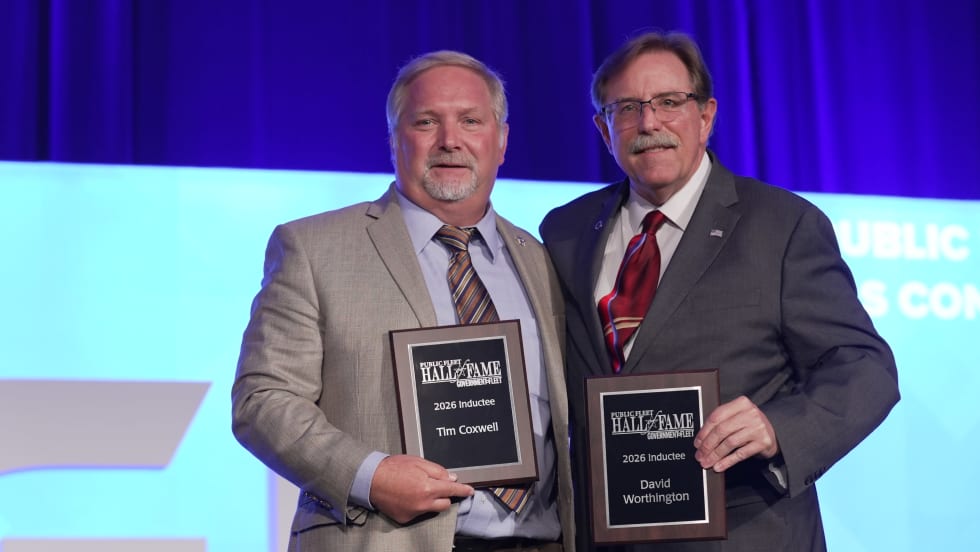
2026 Public Fleet Hall of Fame Inductees Honored
Honorees are recognized industry leaders and pioneers who have significantly contributed to the public fleet profession.
Read More →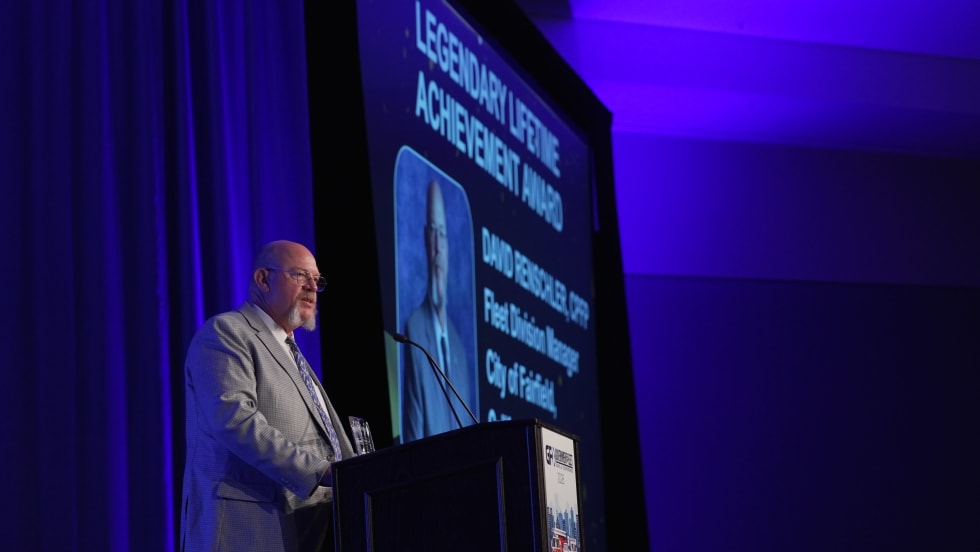
David Renschler Receives 2026 Legendary Lifetime Achievement Award
Andy Campbell of Sourcewell, which partnered with Government Fleet in presenting the award, recognized Renschler.
Read More →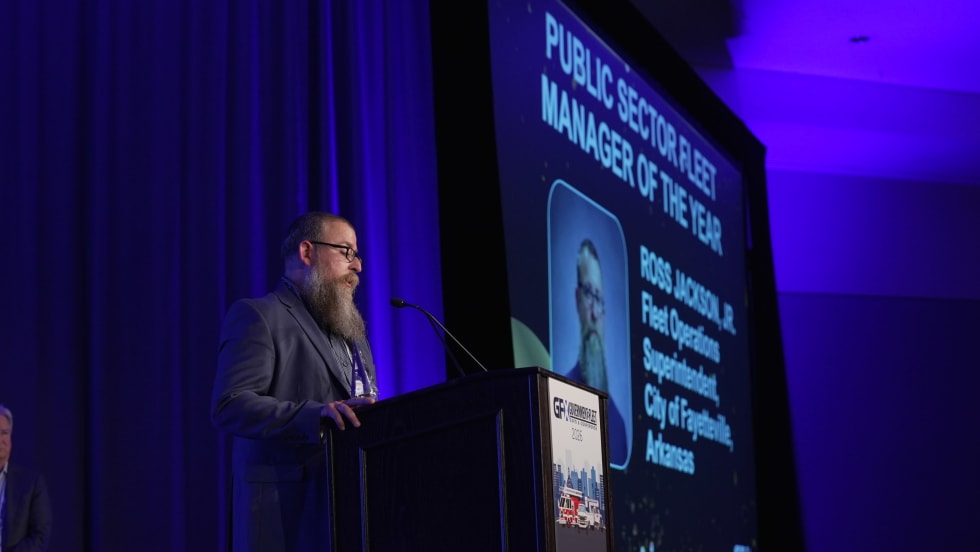
Ross Jackson Jr. Named 2026 Public Sector Fleet Manager of the Year
Ross Jackson Jr. is the Fleet Operations Superintendent with the City of Fayetteville, Arkansas.
Read More →
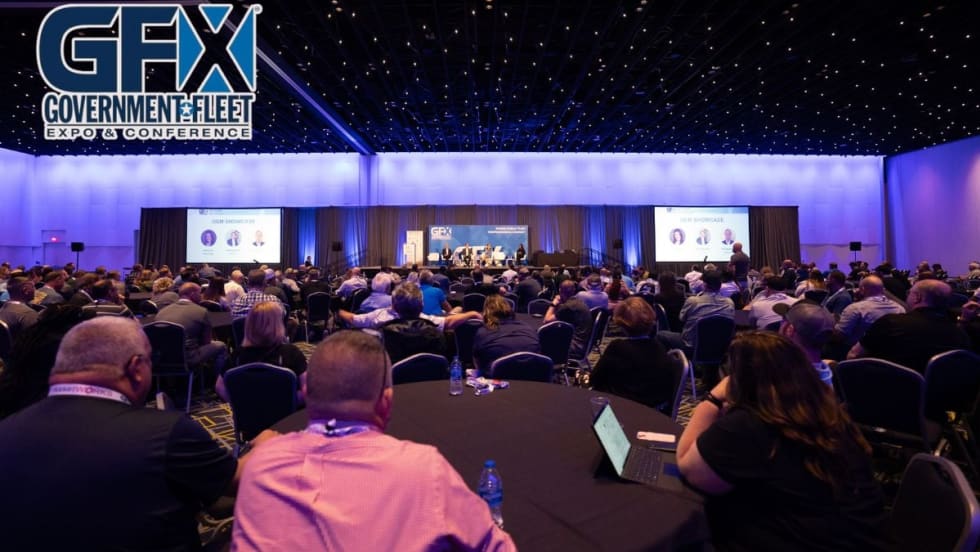
Public Fleet Professionals Set to Converge as GFX Gets Underway
Known as the largest gathering of public fleet professionals in the nation, GFX will feature in-depth training sessions, emerging fleet technologies, and access to leading suppliers and service providers.
Read More →
The Technician Pipeline: Finding, Keeping, and Promoting Techs Within the Operation
A look at where to find good talent, what fleets are doing to incentivize those techs to stay within the fleet, and what promotion looks like for a technician within the public sector.
Read More →
5 Public Fleet Stories Worth Revisiting Before GFX | The May Dispatch
Public fleet leaders are being asked to prepare for more, communicate better, and make decisions that hold up under pressure.
Read More →
Drive More Profit with Greater Fleet Uptime
Fleet downtime costs money. JASPER helps keep vehicles on the road with quality remanufactured components, fast nationwide delivery, and reliable solutions that boost uptime and profitability.
Read More →
Are You Tracking Your Fleet's True Total Cost of Ownership?
Bobit Business Media surveyed 190 fleet professionals and found that while most fleets are tracking costs, fragmented systems and data gaps are keeping true TCO visibility out of reach. With rising pressure to control spend in an increasingly volatile environment, the gap between what fleets think they know and what the data actually shows is wider than you might expect. See how your peers are managing costs today and where the industry still has room to improve.
Read More →
Minneapolis Fire Department Prepares to Add Three New Pierce Enforcer Pumpers to Front-Line Fleet
The order, secured through Pierce dealer MacQueen, marks the department’s move from commercial chassis pumpers to Pierce custom fire apparatus designed to meet the operational demands of Minnesota’s largest city.
Read More →
The Human Side of Fleet Leadership: Lessons from Larry Campbell
As public fleets navigate rapid change through AI, telematics, and increasing operational pressures, Larry Campbell believes the fundamentals of leadership matter more than ever. The longtime fleet leader reflects on accountability, integrity, and why earning trust remains the foundation of a successful fleet operation.
Read More →