




Takeuchi Launches Telematics System
Takeuchi-US has launched a new telematics system, Takeuchi Fleet Management (TFM). TFM hardware comes standard on select excavators and track loaders in the Takeuchi lineup.
Takeuchi-US, a producer of compact equipment, has launched a new telematics system, Takeuchi Fleet Management (TFM). This is Takeuchi’s first step in a multifaceted initiative to know their customers better. Now available at all local dealers, TFM hardware comes standard on select excavators and track loaders in the Takeuchi lineup.
With the launch of TFM, Takeuchi along with its dealers and customers will have visibility into their equipment like never before. The new monitoring system checks the health of Takeuchi equipment and minimizes costly repair calls with real-time machine information.
Features include remote diagnostics that reduce service trips by capturing run hours and equipment data. Utilization tracking allows the operator to make decisions based on actual equipment use, and schedules maintenance. This saves time, parts and money by avoiding unnecessary maintenance. In addition, TFM minimizes cost using the precision to identify the problem as soon as it starts. This allows the service person to bring the correct tools and parts the first time, limiting any downtime.
“The new TFM feature will provide operators a greater capacity to maximize profitability, reduce downtime and improve efficiency,” said Jonathan Martinez, project manager at Takeuchi-US. “It eliminates any guessing game to make TFM users aware of any issues in real-time. This is an exciting new addition to our lineup.”
Machines equipped with TFM hardware as standard equipment will also include two years of standard service.
More Telematics
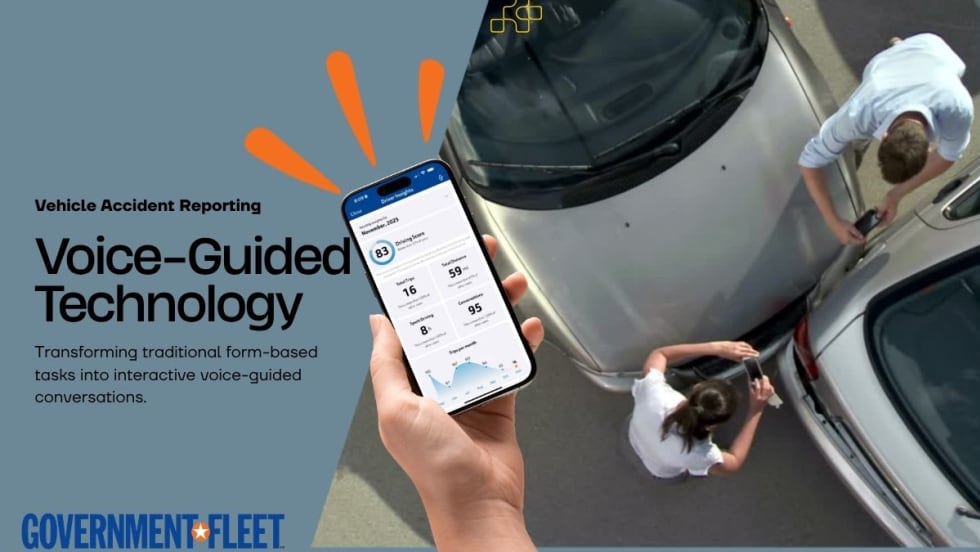
How Conversational AI Can Simplify Driver Workflows
Voice-guided technology is helping drivers complete vehicle inspections, accident reporting, and motor pool checkouts through conversations instead of forms.
Read More →
Connecticut Renews Fleet Telematics Agreement, Adds Automation Tools
Connecticut is expanding the use of automation within its fleet operations as part of a renewed telematics agreement. The new tools are designed to reduce manual reporting, streamline compliance tasks, and support management of the state's more than 3,600 vehicles.
Read More →
Tennessee DOT Selects Geotab as Fleet Telematics Provider
As state transportation agencies continue to expand their use of connected vehicle technologies, the Tennessee Department of Transportation is moving forward with a new telematics deployment. The initiative is expected to provide greater insight into fleet activity, asset utilization, and maintenance operations.
Read More →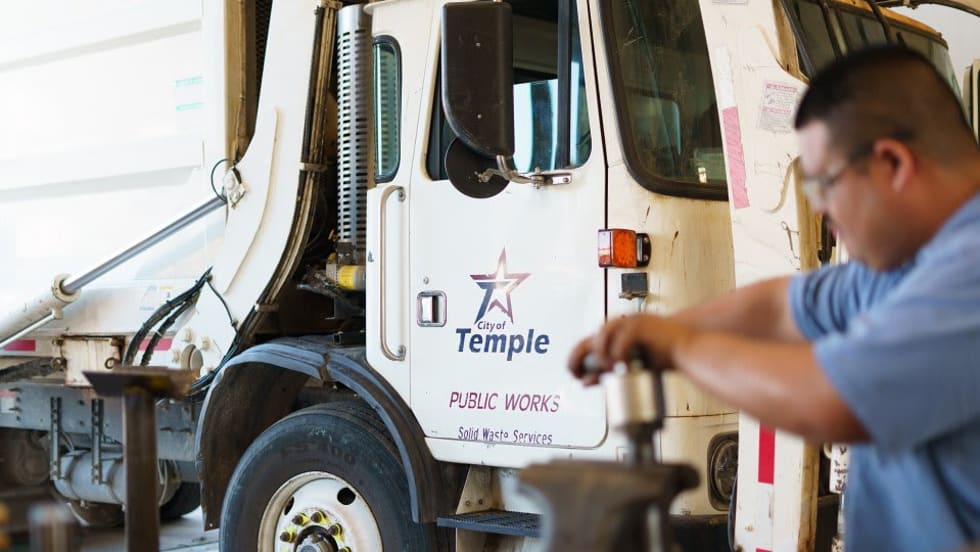
City of Temple Enhances Fleet Operations with New Telematics Technology
The City of Temple is deploying a new Geotab telematics system across multiple municipal departments to improve fleet maintenance, safety monitoring and operational efficiency.
Read More →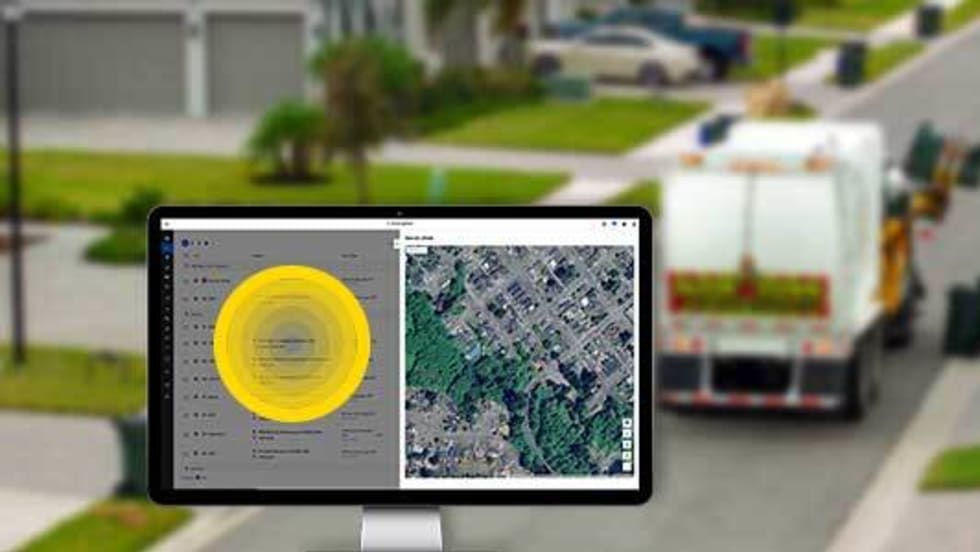
3 Ways Fleet Tech Builds Public Trust
Managing a state or local fleet comes with levels of accountability private companies don’t have. Read how modern fleet technology helps elevate visibility and safety to strengthen community trust.
Read More →
Geotab Launches Next-Gen GO Devices to Strengthen Oversight and Data Security
Next-generation telematics platform promises stronger diagnostics, asset tracking, and actionable insights.
Read More →
Ford Pro Telematics Introduces In-App Asset Tracking
Ford Pro Telematics expands its abilities.
Read More →
Distracted Driving and Samsara AI Safety
The U.S. public sector continues to use AI technology to combat the dangers of distracted driving.
Read More →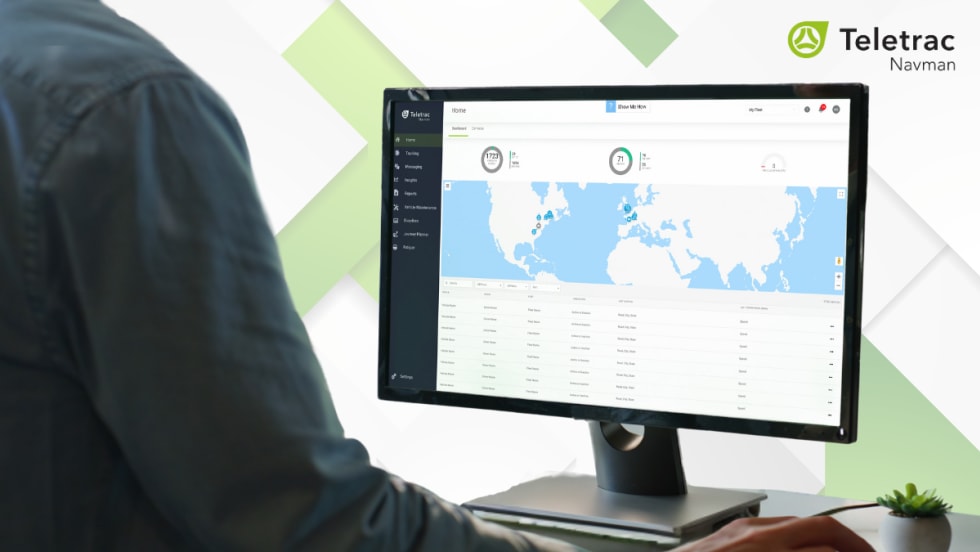
Teletrac Navman’s TN360 Now Connects with Factory-Fitted Telematics for Easier Fleet Oversight
Agencies can now tap into factory-installed vehicle data within TN360 without taking vehicles out of service for hardware installs.
Read More →
Element, Samsara Partner to Launch Comprehensive Fleet and Operations Management Offering
This joint offering streamlines procurement and onboarding for shared customers to deliver greater safety and efficiency for fleets.
Read More →