




State of Oklahoma Takes Delivery of First of 242 Ram CNG Trucks
Chrysler Group LLC has begun the delivery of 242 new 2013 Ram 2500 Compressed Natural Gas (CNG) pickup trucks to the State of Oklahoma. ODOT will use the Ram CNG bi-fuel pickups primarily as service trucks on the state’s roads and highways.

The Oklahoma DOT took delivery of the first of 242 CNG Ram trucks on March 6. Photo courtesy of Chrysler.

The Oklahoma DOT took delivery of the first of 242 CNG Ram trucks on March 6. Photo courtesy of Chrysler.
Chrysler Group LLC has begun the delivery of 242 new 2013 Ram 2500 Compressed Natural Gas (CNG) pickup trucks to the State of Oklahoma. ODOT will use the Ram CNG bi-fuel pickups primarily as service trucks on the state’s roads and highways.
Gov. Mary Fallin is leading a coalition of 22 states seeking to use more CNG vehicles in their state fleets. She has worked with other state officials and governors, met with automobile manufacturers, and issued and received bids for more affordable CNG vehicles for use in state fleets.
The Ram CNG pickups delivered on March 6 were purchased by the State of Oklahoma through John Vance Motors, a Chrysler Jeep Dodge Ram Truck dealership in Guthrie, Okla.
“Converting the state’s fleet to CNG will save taxpayers millions of dollars in fuel costs,” Gov. Fallin said. “The use of cleaner-burning CNG fuel is good for the environment and promotes Oklahoma-made natural gas which in turn supports the creation of more Oklahoma jobs. Our multi-state bidding process was aimed at encouraging automakers to provide states with more affordable and more functional CNG vehicles.”
The bi-fuel vehicle uses CNG as its primary fuel source, but automatically switches to gasoline when the CNG tanks are emptied.
The Ram 2500 CNG is the only OEM-built compressed natural gas-powered pickup truck in North America. The Ram 2500 CNG system was fully engineered and tested by Chrysler Group and assembled at the company’s heavy-duty truck plant in Saltillo, Mexico. Production of the Ram 2500 CNG began in late October in the Saltillo plant. The 242-vehicle order is Chrysler’s largest customer order since production began.
More Fuel

Clean Energy to Build Hydrogen Station for Orange County Transportation Authority
The new station will support the agency’s growing fleet of zero-emission hydrogen fuel cell buses.
Read More →
How Fleet Managers Reduce Fuel Waste and Protect Budgets
When fuel prices swing, fleet averages don’t tell the whole story. This white paper helps fleet and operations leaders uncover where fuel waste really hides and what data they need to build a smarter, more resilient fuel strategy.
Read More →
Planning for Future Technologies: Hydrogen and Beyond
As public agencies work to cut emissions from off-road operations, fleets are turning to a mix of renewable fuels, hybrid systems, battery-electric equipment and emerging hydrogen technology.
Read More →
RoadFlex Expands Fuel Network with Refuel Partnership
RoadFlex expands its fueling network for public sector fleets through a new partnership with Refuel, adding more than 250 locations across the Southeastern U.S. to improve access, savings, and efficiency.
Read More →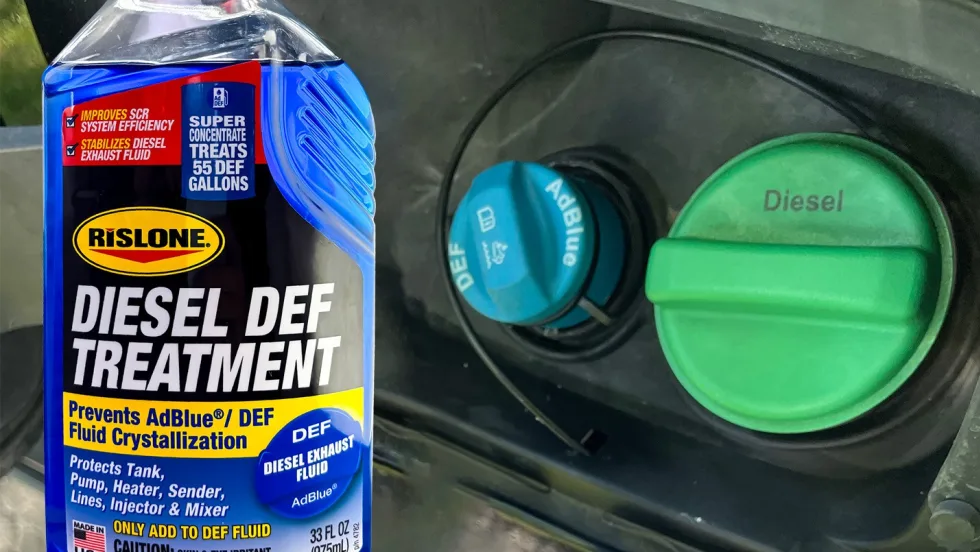
Rislone DEF Treatment Designed to Keep Diesel Exhaust Fluid Crystal-Free
Rislone is rolling out a super-concentrated version of its Diesel DEF Treatment that is designed to stabilize and improve diesel exhaust fluid.
Read More →
Are Bi-Fuel Propane Autogas Vehicles Making Law Enforcement Fleets More Resilient, Cost-Effective?
How a Florida sheriff office’s choice in fuel system led to a healthier budget, increased resiliency, and decreased emissions.
Read More →
Fleets All-In On Fuel Management Tech
Fuel management can become a tricky obstacle, but smart strategies and new tech have turned it into a well-oiled machine where price prediction is art, and cost control is science.
Read More →
Prepare Diesel Trucks for Winter with Diesel Exhaust Fluid
Understand proper DEF purchasing, handling, and storage practices in order to meet regulatory requirements and operates at peak performance.
Read More →
Diesel Exhaust Fluid (DEF) Locator
Yara, a diesel exhaust fluid (DEF) producer, offers a DEF locator website to help get the fluids fleets need.
Read More →
Gas vs. Diesel: The Bad Investment Only Fleet Managers Know About
A major point of debate in fleet management is using diesel vs. gas cars and trucks. Choosing to purchase gasoline engines instead of diesel ones for medium-duty trucks may be an unpopular decision, but is it the right one?
Read More →