




Shell Says Biofuels From Food Crops “Morally Inappropriate”
SINGAPORE – Royal Dutch Shell, the world's top marketer of biofuels, considers using food crops to make biofuels “morally inappropriate”.
SINGAPORE – Royal Dutch Shell, the world’s top marketer of biofuels, considers using food crops to make biofuels “morally inappropriate” as long as there are people in the world who are starving, an executive said, according to the Web site www.planetark.com. Eric Holthusen, fuels technology manager Asia/Pacific, said the company’s research unit, Shell Global Solutions, has developed alternative fuels from renewable resources that use wood chips and plant waste rather than food crops that are typically used to make the fuels. However, there is no word on when these biofuels might be commercially available. Holthusen said his company’s participation in marketing biofuels extracted from food was driven by economics or legislation. According to the report, Malaysia-based Holthusen said, “We think morally it is inappropriate because what we are doing here is using food and turning it into fuel. If you look at Africa, there are still countries that have a lack of food, people are starving, and because we are more wealthy, we use food and turn it into fuel. This is not what we would like to see. But sometimes economics force you to do it.” The world’s top commercially produced biofuels are ethanol and biodiesel. Ethanol is produced from sugar cane and beets and can also be derived from grains such as corn and wheat. Biodiesel used in Europe is extracted from the continent’s predominant oil crop, rapeseed, and can also be produced from palm and coconut. Shell, in partnership with Canadian biotech firm Iogen Corp., has developed “cellulose ethanol,” which is made from the wood chips and non-food portion of renewable feedstocks, such as cereal straws and corn stover, and can be blended with gasoline.
More Operations

Fleet Forward Conference Introduces One-Day Passes for 2026
New one-day registration lets fleet professionals attend Tuesday, Wednesday, or Thursday, with passes available for $249.
Read More →
ENC Unveils its ZAVIR Medium-Duty Shuttle
Two variants of the concept shuttles were revealed: a low-floor configuration and a high-floor configuration.
Read More →
Could Your Next Fleet Technician Start as an Intern?
What if your next technician hasn’t worked in a fleet shop yet? What fleets are doing to free up time.
Read More →
How Phoenix Is Building Its Next Generation of Fleet Technicians
With more than 8,000 vehicles and pieces of equipment to maintain, the City of Phoenix could not afford to wait for fully trained technicians to walk through the door. Instead, they revamped their entire workforce strategy and showed how public fleets can create their own talent pipeline while preparing existing employees for increasingly complex vehicles.
Read More →
What’s Slowing Your Fleet Down?
Could a change in how work gets done help your fleet return vehicles to service sooner?
Read More →
Can Public Fleets Trust the Data Driving Their Decisions?
Public fleets have more data than ever, but inconsistent records and missing information can still undermine maintenance, replacement, and cost decisions.
Read More →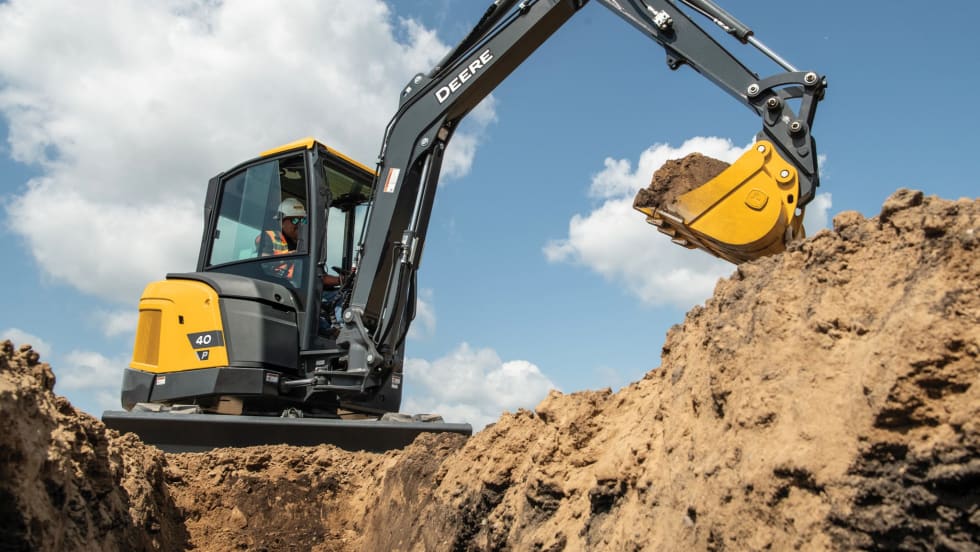
John Deere Introduces 40 P-Tier Compact Excavator
John Deere is adding a compact excavator designed for crews that need to move equipment between jobsites and handle multiple types of work with one machine. The 40 P-Tier weighs less than 10,000 pounds and offers configurable hydraulics, attachment options, and connected fleet-management capabilities.
Read More →
How Leading Fleets Improve and Why Business Plans Matter
This week, we look at what past Leading Fleet winners can teach us about making progress, plus how to build a business plan your fleet will actually use.
Read More →
Nominate a Fleet Leader for the 2027 Public Fleet Hall of Fame
Do you know a fleet leader who has made a lasting impact on the industry? Nominate this fleet professional for the 2027 Public Fleet Hall of Fame.
Read More →
Why Fleet Business Plans Need Three Perspectives
A fleet business plan should help agency leaders understand the fleet’s value, give the organization a clear direction, and establish shared expectations with customer departments.
Read More →