




S.F. Program Recycles Restaurants' Cooking Oil For Fuel
SAN FRANCISCO – San Francisco officials are giving the city's old grease a new career - one that should mean cleaner air, cleaner sewers and Muni buses that smell like fried zucchini one day and fried chicken the next.
SAN FRANCISCO – San Francisco officials are giving the city's old grease a new career - one that should mean cleaner air, cleaner sewers and Muni buses that smell like fried zucchini one day and fried chicken the next, according to the San Francisco Chronicle.
Currently, the city launches SFGreasecycle, a free program in which the city will pick up used cooking oil and grease from local restaurants, hotels and other commercial food preparation establishments. Those substances then will be turned into biodiesel, a fuel made of plant oil that burns cleaner than petroleum-based fuels.
Although several other localities around the nation have begun limited programs to collect cooking grease for biodiesel, San Francisco officials believe theirs will be the largest such effort.
Eventually, the city wants to recycle grease produced in homes with the intention of someday using the locally produced biodiesel to power all city vehicles, including public buses and fire trucks.
"This is a case of taking what could be a bad situation and turning it into a win," said Susan Leal, general manager of the city's Public Utilities Commission, the agency behind SFGreasecycle.
The PUC is sponsoring the program because grease that is illegally dumped into sewers, which are maintained by the agency, creates serious maintenance problems. The grease congeals and clogs sewer pipes, costing the city an extra $3.5 million a year to clean the gunk out, according to PUC estimates. "It's sort of like a heart attack in our sewers," Leal said. "It's like a blocked artery."
The program complements Mayor Gavin Newsom's mandate that all of the city's diesel vehicles use a diesel mixture that is 20 percent biodiesel, called B20, by the end of this year. The biodiesel now used in some city vehicles is not from recycled cooking oil, though. It is "virgin" biodiesel from soybeans grown in the Midwest and shipped by train for sale to the city through its exclusive fuel distributor, San Francisco Petroleum.
The ambition to turn the city's cooking oil into the city's biodiesel supply will depend not only on revising its fuel contract after it expires in 18 months but also on whether the city finds it feasible to build its own biodiesel production plant, said PUC spokesman Tyrone Jue. The feasibility will be determined in part by what happens in the first stage of SFGreasecycle, he said.
The city has 1,500 diesel vehicles, including buses, fire trucks and others, said Vandana Bali, the clean vehicles manager for the city Environment Department. She said the city will easily meet the end-of-the-year deadline for full conversion to B20 fuel, which will reduce carbon dioxide emissions by about 15 percent and diesel soot by about 20 percent.
The city has been testing the free grease pickup program since July and now services 55 restaurants, four hotels and one high school, said Karri Ving, the PUC's biofuel coordinator. It sells the grease to Blue Sky Bio-fuels of Oakland, which began producing biodiesel in September. The firm is the Bay Area's only producer of biodiesel, said Blue Sky marketing manager Lindsay Hassett.
Private companies began recycling cooking oil from San Francisco restaurants for biodiesel in 2004, according to Kevin Westley, executive director of the Golden Gate Restaurant Association. Two firms now serve between 300 and 400 of the city's approximately 4,000 restaurants, he said.
The local king of San Francisco restaurant grease recycling is a third firm, Darling International, which sells the grease for a wide range of uses, including animal feed, boiler fuel, lubricant and paint, said Ron Palla, manager of Darling's San Francisco plant.
The firm has been picking up the city's restaurant grease for decades and had been serving about 1,000 San Francisco restaurants until a few months ago, when Palla said he lost some customers to enterprising freelancers competing for the increasingly valuable restaurant grease.
Darling formerly charged restaurants a fee but had to switch to free pickups to stay competitive, he said. Got Grease, a San Francisco company that began picking up used cooking grease 1 1/2 years ago for biodiesel conversion and now serves about 250 restaurants, also will have to eliminate its $25-per-pickup fee, said David Levenson, who owns the business with his mother, Linda.
The Levensons expressed frustration with the city, saying PUC officials told the firm that the city's motive was to get grease from restaurants that don't currently have it hauled away. Instead, they said, Got Grease's clients have been approached by city representatives offering free pickup as part SFGreasecycle.
The PUC's Ving said any restaurant can sign up for SFGreasecycle but that priority on the waiting list would go to those that currently do not have pickup service.
More Operations
Rethinking Fleet Decisions From the Budget Office to the Shop
This October we looked back at how public fleets are reconsidering familiar processes and using what they learn to make better decisions.
Read More →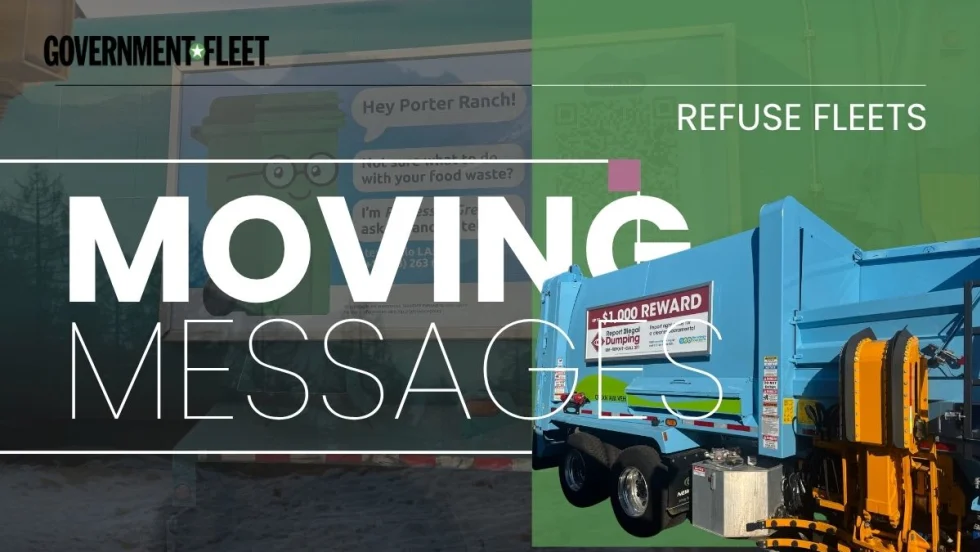
Who Owns the Message on a Refuse Truck?
Refuse trucks can carry public messages into neighborhoods, but keeping those messages current takes planning and clear responsibility.
Read More →
Who Deserves Fleet Recognition and What Could You Teach at GFX?
Who helped shape your fleet career, and what have you learned that could help someone else?
Read More →
What’s Haunting Public Sector Fleets?
Public sector fleet challenges rarely happen in isolation, and addressing one often means understanding how it connects to another.
Read More →
Is Keeping Older Fleet Vehicles Really Saving Money?
Is keeping vehicles longer saving money, and what happens when a diagnostic test points to the wrong fix?
Read More →
How Smart Fleet Strategy Can Help Local Government Agencies Do More with Less
Keeping a vehicle longer may ease this year’s budget, but what does it cost the next one? A closer look at fleet decisions can reveal opportunities to reduce spending while protecting essential services.
Read More →
Connect with Government Fleet on LinkedIn
From industry news and fleet management strategies to conversations with peers, Government Fleet's LinkedIn page offers public-sector fleet professionals another way to stay informed and connected.
Read More →
Town of Queen Creek Named Most Successful Fleet Award Winner of Inaugural RTA Fleet Success Awards
Five fleets were honored at RTA Connect 2026 in Chicago for excellence across resource efficiency, intentional culture, risk management, and stakeholder satisfaction.
Read More →
A buyer's guide to fleet management software in 2027
Buying fleet management software in 2027 means looking beyond features and price. As fleet operations, technology and expectations evolve, this guide explores what today’s fleet professionals should consider when choosing a system that can deliver value now and adapt to what comes next.
Read More →
Hazard Alerts, Fleet Car Sales Rise and a New Shuttle Concept
Fleet car sales doubled, but the bigger picture tells a different story in this week’s roundup.
Read More →