




Don't Miss: What You Need to Know Before Buying Robots
San Francisco Board of Supervisors Halts Lethal Robot Policy
The policy would have allowed police officers to deploy ground-based robots to use lethal force in extreme circumstances.

Christy Grimes・Former Senior Editor
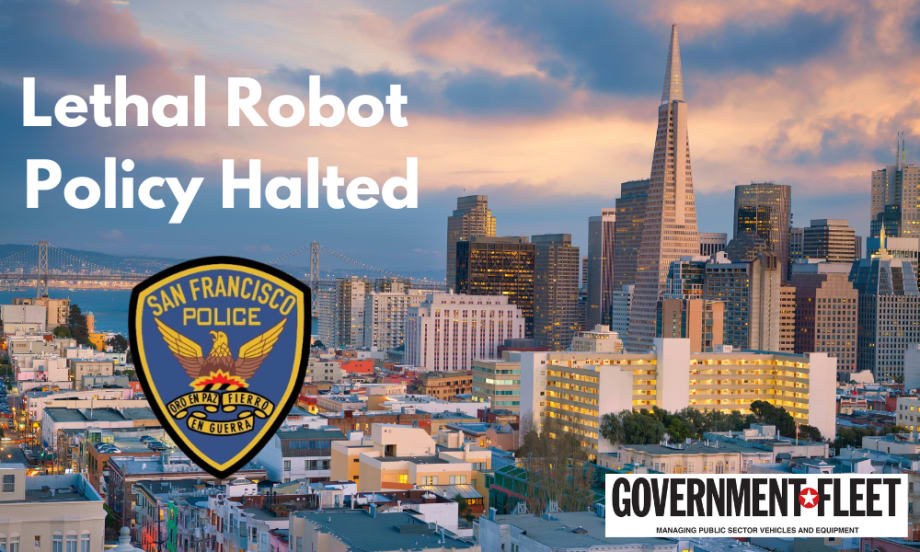
A December 6 vote by the San Francisco Board of Supervisors sends legislation that would permit the use of lethal robots in extreme cases back to a committee.
Photo: Canva/San Francisco Police Department/Government Fleet
3 min to read
The San Francisco Board of Supervisors voted down a controversial policy that would have allowed police to deploy robots capable of using lethal force in extraordinary circumstances, only a week after approving it.
The policy, initially approved during the board's November 29 meeting, would have allowed officers to use ground-based robots to kill when "risk of loss of life to members of the public or officers is imminent and officers cannot subdue the threat after using alternative force options or de-escalation tactics,” according to CNN.
The proposal was part of a broader piece of legislation authorizing San Francisco Police to obtain and use military gear. The vote sends the legislation back to committee, and the board intends to continue debating the use of robots going forward, according to KRON. As a result of the December 6 vote, the language authorizing the robots to use lethal force will be changed to suggest that the robots will not be allowed to use deadly force.
San Francisco police already have 17 robots, Police Magazine reported. A police department spokesperson told Government Fleet they are maintained by its Special Operations Bureau. City Supervisor Rafael Mandelman said in a tweet that the department has been using them since 2010, and has never used them previously to deliver lethal force. His tweet went on to mention that there is only one instance on record of a law enforcement robot being used to kill someone: in 2016 when Dallas police used a robot to kill a sniper after a 45-minute gun battle and two hours of negotiations after the suspect had shot five officers.
The mayor still has to approve the general ordinance before it goes into effect.
About the Legislation
Last week, the board voted eight-to-three to allow the use of the remote-controlled armed robots in extreme situations. According to the meeting minutes, the vote approving the policy came after the language of the proposal was amended during last week's meeting to include that only the police chief, assistant chief of operations, or deputy chief of special operations may "authorize the use of robots as a deadly force weapon."
In an interview last week with CNN, Police Chief Bill Scott said the robots would only be allowed to be operated by officers with specialized training. Explosive charges could be added to the robots to breach fortified structures, or the robots could be deployed to “contact, incapacitate, or disorient” a dangerous suspect without risking the life of an officer, Scott told CNN.
Police said they had no plans to arm the robots with guns, but wanted the ability to put explosives on them in extraordinary circumstances, KRON reported. The approval sparked backlash, with the board collecting responses from the community in large condemning the policy, and a protest outside City Hall on December 5.
The use of robots capable of causing injuries has caused backlash in recent months. In June, Axon halted the development of a TASER-armed drone that could be used for active shooter response after several members of its AI Ethics Board resigned.
More Police
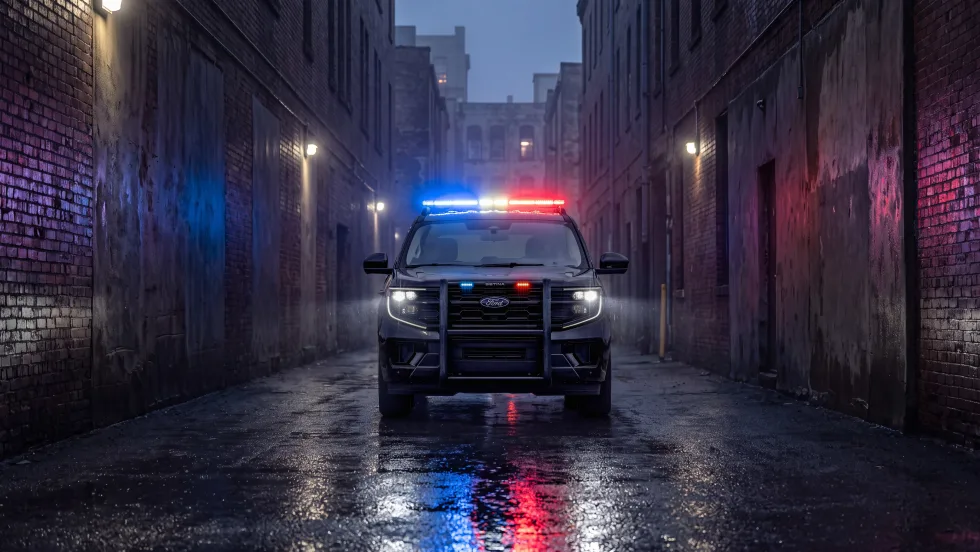
Ford Pro Introduces Full-Size 2028 Expedition Police Responder
Ford Pro gave law enforcement customers a first look at the pursuit-rated utility during Police Fleet Expo.
Read More →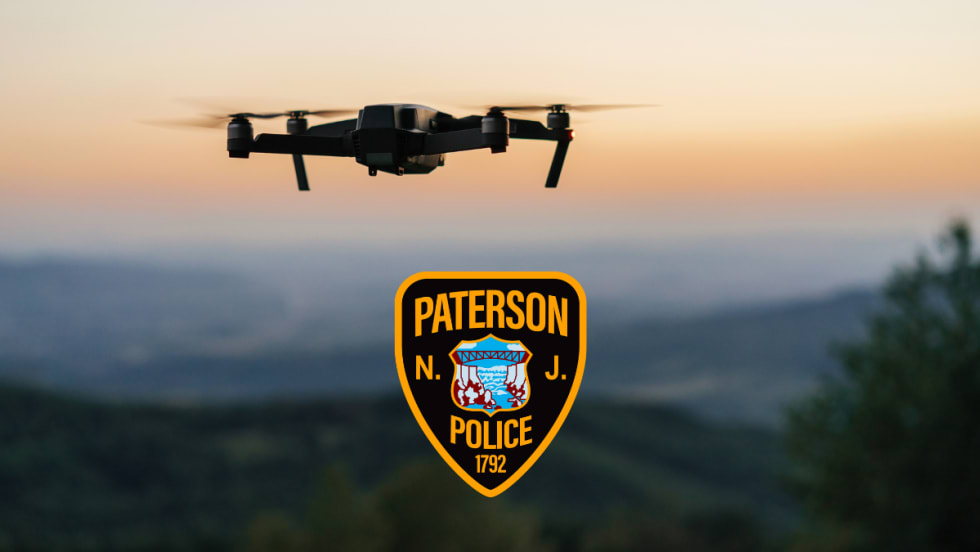
Paterson Police Expand Drone Fleet, Launch Real-Time Operations Center
The Paterson Police Department has expanded its drone program and opened a new Real-Time Operations Center designed to support emergency response and incident management. The initiative integrates multiple technologies to provide officers with real-time information during investigations and public safety operations.
Read More →
Why Public Fleet Success Depends on More Than the Vehicles
Tim Coxwell of the Leon County Sheriff’s Office discusses the projects shaping his fleet operation, including long-term work around vehicle selection, greenhouse gas emissions, and cost per mile.
Read More →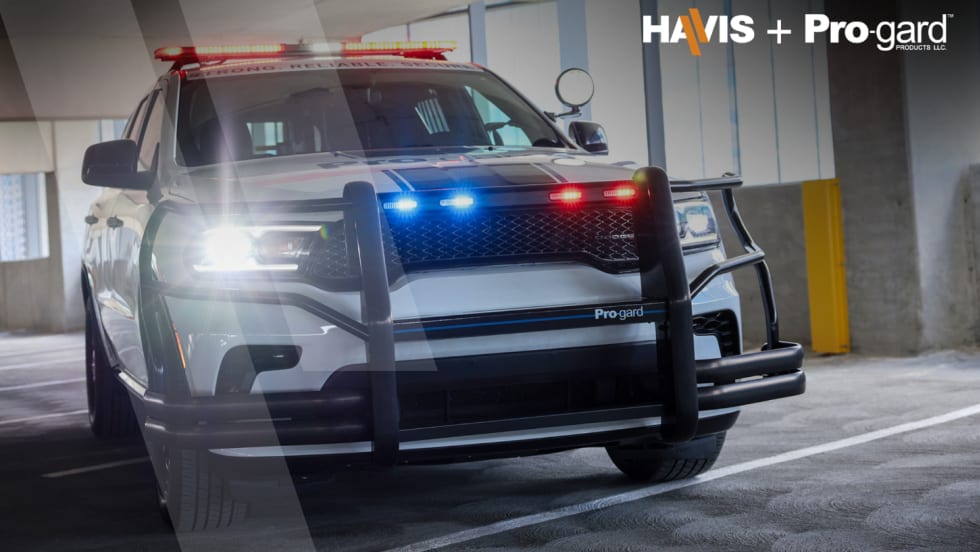
Havis Acquires Pro-gard Products
The acquisition brings together two manufacturers of public safety vehicle equipment under one company. Havis says the move expands its portfolio of products for outfitting law enforcement vehicles and other public safety fleets.
Read More →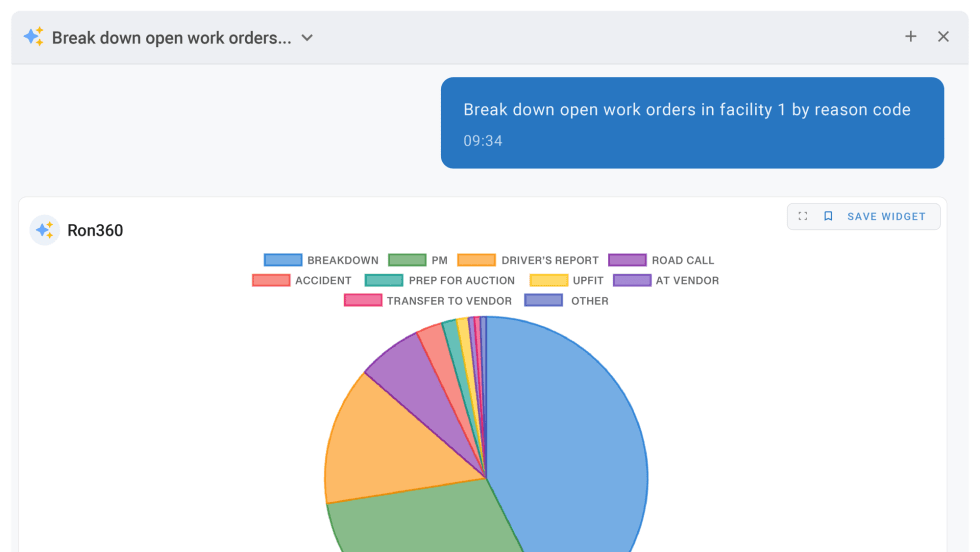
RTA Fleet Introduces AI Assistant for Fleet360 Platform
As artificial intelligence continues to gain traction across public-sector operations, fleet software providers are finding new ways to incorporate the technology into everyday workflows. RTA's latest addition aims to simplify how users interact with fleet data.
Read More →
2026 Police Fleet Innovators Named
Meet the professionals finding new ways to solve some of law enforcement's toughest fleet challenges.
Read More →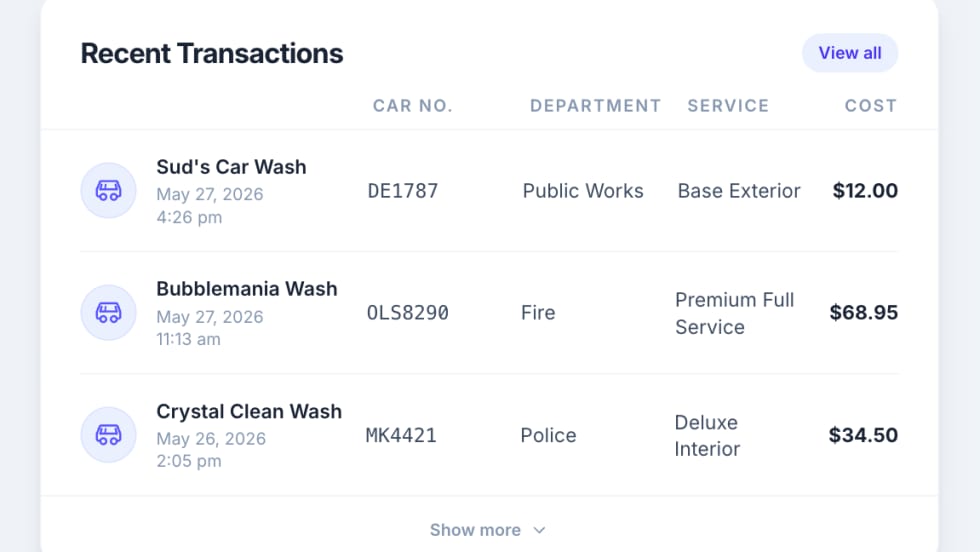
Rynse Expands Nationwide Fleet Wash Access for Law Enforcement
The North Carolina Sheriff’s Association Contract Cooperative purchasing contract aims to streamline procurement process for law enforcement agencies across the U.S.
Read More →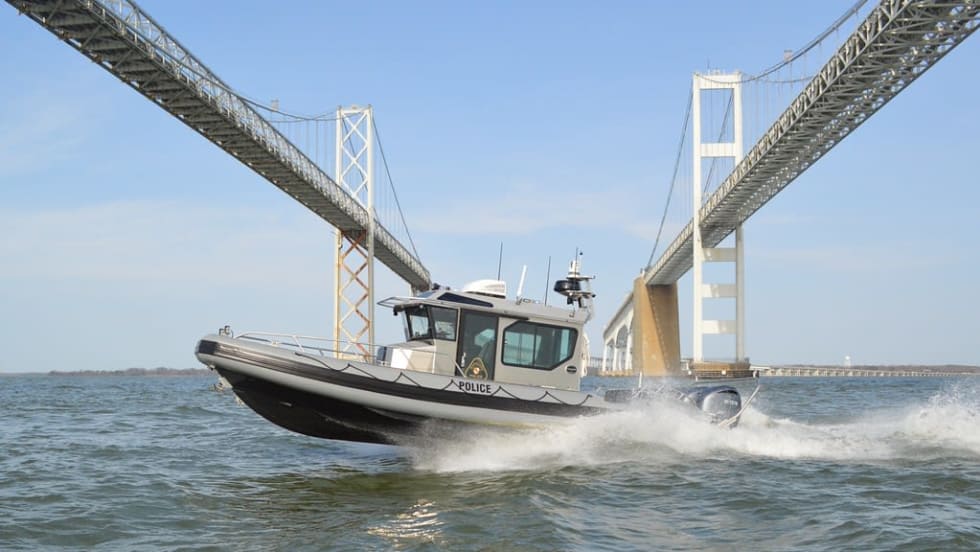
Maryland Natural Resources Police Adds 31-Foot Patrol Boat to Enforcement Fleet
A new addition to Maryland’s marine enforcement fleet is bringing expanded capabilities to Chesapeake Bay operations while honoring a legacy within the agency. The high-performance patrol vessel reflects how law enforcement fleets are adapting to growing demands on the water.
Read More →
LEHR Expands Florida Presence With Enforcement One Acquisition
LEHR has acquired Florida-based emergency vehicle upfitter Enforcement One, marking its eighth add-on acquisition.
Read More →
Maryland’s Wicomico County Sheriff Adds Mustang GT Patrol Vehicles
The agency is also working with the Maryland Police Training Commission on a specialized high-performance driving course for deputies assigned to the vehicles.
Read More →