




San Diego Fuels Landfill Equipment with Renewable Diesel
The City of San Diego has begun fueling its fleet of off-road landfill vehicles and equipment with renewable diesel, completing the switch to renewable diesel in its entire fleet of diesel-powered vehicles and equipment.

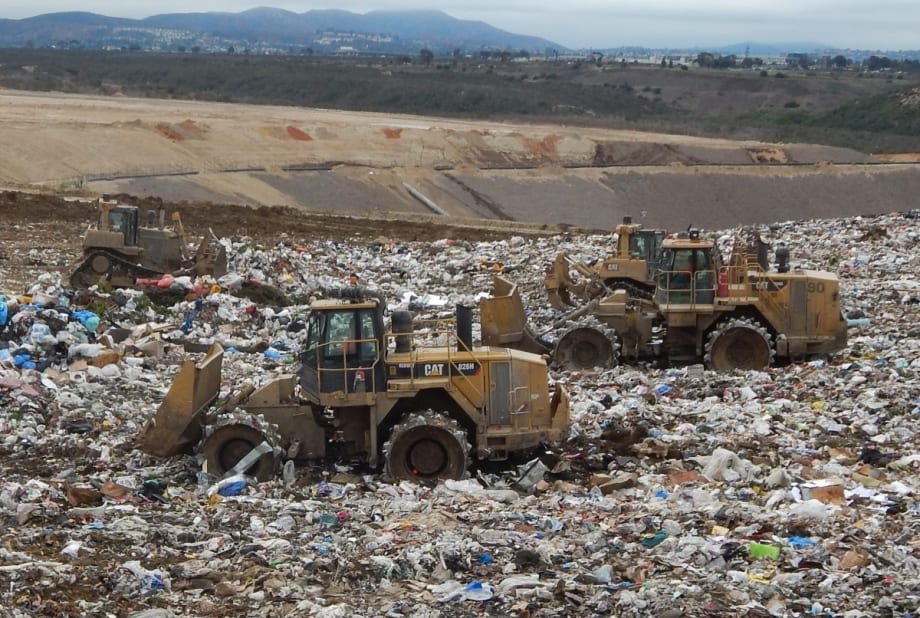
The off-road landfill fleet 29 off-road equipment — loaders, dozers, a stacker belt and specialized equipment — previously ran on red-dye petroleum diesel.
Photo courtesy of City of San Diego
The City of San Diego has begun fueling its fleet of off-road landfill vehicles and equipment with renewable diesel, completing the switch to renewable diesel in its entire fleet of diesel-powered vehicles and equipment, according to the city. The move helps reduce greenhouse gas (GHG) emissions and further efforts to meet the city’s Climate Action Plan goals.
In 2016, the city became the first municipality in the nation with a large fleet to use renewable diesel in its 1,125 diesel-powered on-road vehicles. The fleet of 29 pieces of off-road landfill equipment — loaders, dozers, a stacker belt, and specialized equipment — previously ran on red-dye petroleum diesel and are the last to be converted to renewable diesel.
Derived from renewable resources including natural fats, vegetable oil, greases, and agricultural waste products, renewable diesel is a direct replacement fuel for petroleum diesel. Red dye is added to renewable diesel to indicate its use for off-road vehicles and exemption from state and federal taxes. According to the California Air Resources Board, this low-carbon fuel reduces GHG emissions by up to 80% compared to petroleum diesel.
In addition to being an environmentally-friendly fuel, renewable diesel is a “drop-in” fuel that can be used in engines designed to run on petroleum diesel without any modifications. Renewable diesel costs about five cents more per gallon than standard petroleum diesel but is a cleaner, smoother combusting fuel that improves engine performance, reduces maintenance costs, and maximizes engine life, according to the city.
“The city will continue to incorporate innovative technology and advancements in alternative fuels, such as with renewable diesel, to make vehicle and fueling operations more efficient, and help reduce vehicle emissions, maintenance costs and conserve fuel,” said Fleet Operations Department Director Casey Smith.
Last year, the city’s Climate Action Plan Annual Report detailed San Diego’s progress toward slashing GHG emissions with a 24 % decrease over the past decade — far surpassing the 2020 goal of 15%. The city’s Climate Action Plan calls for slashing GHGs in half by 2035 compared to emissions from 2010. The 2019 numbers marked the fourth consecutive year of reductions.
More Green Fleet

Sustainability Partners, Energy Systems Group Help Albuquerque Close the Gap on its 100% Renewable Energy Goal
The eight-site, 6 MW solar project has advanced the city toward 100% renewable energy for municipal operations.
Read More →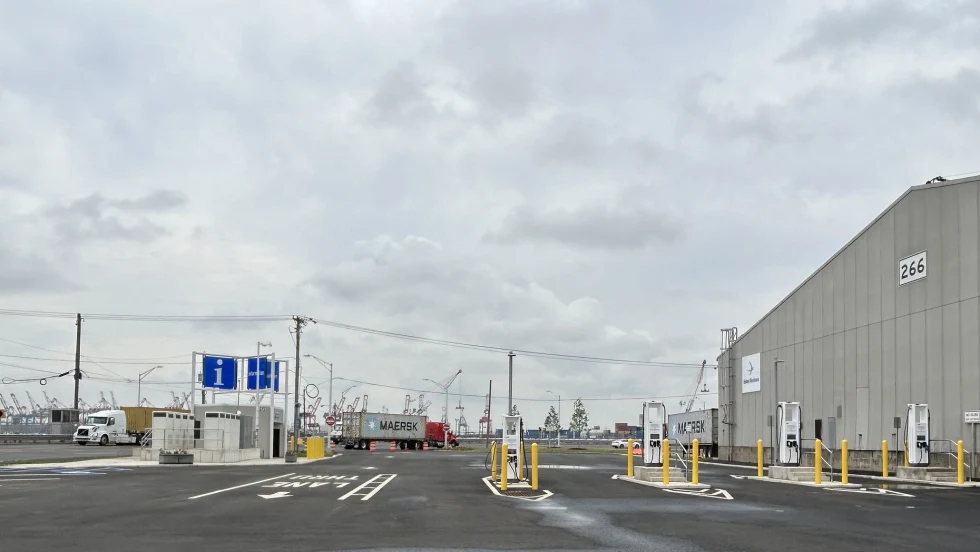
Port Authority and CALSTART Launch $45 Million Electric Truck and Charging Programs
The programs aim to boost sustainable operations across the East Coast's busiest seaport.
Read More →
Moving Government Fleets Beyond the Vehicle Purchase: EV as a Service
A discussion on how EVaaS is moving beyond pilot programs and what fleets should consider before beginning a larger deployment.
Read More →
Moving Government Fleets Beyond the Vehicle Purchase: EV as a Service
As fleets move beyond small EV pilots, Sustainability Partners CEO Adam Cain explains how EVaaS can address the infrastructure and long-term planning required for larger deployments.
Read More →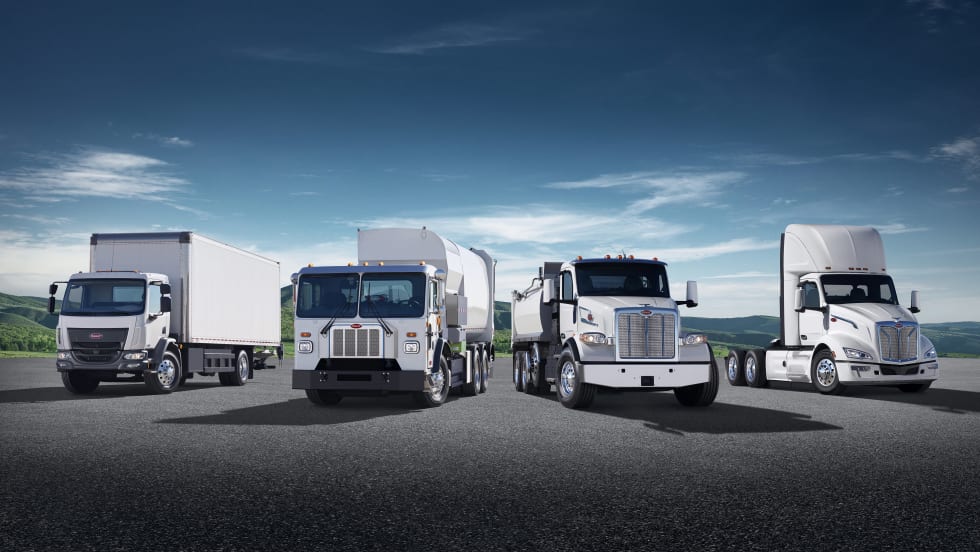
Peterbilt Expands Sourcewell Partnership with Electric Vehicle Lineup
The agreement aims to provide streamlined procurement of Peterbilt trucks for government, education, nonprofit and tribal organizations across the United States and Canada.
Read More →

EV Adoption & Charging Challenges
Where is your fleet in the journey of vehicle electrification? If you're still looking for answers to fleet electrification you've come to the right place.
Read More →
Hawaii Passes Clean Fuel Policy
Hawaii lawmakers passed clean fuel legislation that could support renewable natural gas production, biogas-powered transportation, and lower-carbon fueling options for public and commercial fleets.
Read More →
Stanislaus County Deploys Ten Beam Global EV ARC Systems to Support County Fleet Electrification
Stanislaus County deployed 10 off-grid solar-powered EV charging systems and a mobile charging trailer from Beam Global to support its electric fleet operations and emergency response flexibility.
Read More →
Heliox Pilots 480-kW Bus Charger with King County Metro
King County Metro is piloting Heliox’s new 480-kW Flex Pro charger to support expansion of its battery-electric bus fleet and depot charging infrastructure. The compact charging system supports pantograph and plug-in charging configurations for high-density transit operations.
Read More →