




San Bernardino County Fleet Uses GPS to Reduce Emissions
SAN BERNARDINO, CA - GPS units in 1,500 of San Bernardino County's fleet vehicles have resulted in a reduction of greenhouse gas and tailpipe emissions and reduced vehicle maintenance and repair costs.

GPS units are currently installed in approximately 1,500 of San Bernardino County's light- and medium-duty fleet vehicles.
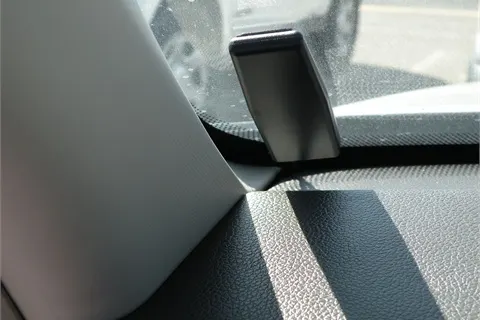
GPS units are currently installed in approximately 1,500 of San Bernardino County's light- and medium-duty fleet vehicles.
SAN BERNARDINO, CA - The use of Global Positioning System (GPS) units in San Bernardino County fleet vehicles has resulted in a reduction of greenhouse gas and tailpipe emissions, improved conservation of natural resources, and reduced vehicle maintenance and repair costs. These accomplishments help support the county's Board of Supervisors' goals to improve quality of life for its residents, according to the County.
GPS units from Networkfleet were installed in approximately 1,500 of the County's light- and medium-duty fleet vehicles to help achieve these reductions and improve operating efficiencies. In addition, most new light-duty vehicles will have the units installed before they are placed in service.
The GPS system has the capability to monitor engine idle time, vehicle speed, fuel consumption, as well as capture and report data on the overall operating efficiency of vehicles. The Mobile Source Air Pollution Reduction Review Committee (MSRC), through the Local Government Match Program, recently collaborated with the County for the purchase of 252 additional GPS units for County vehicles.
The GPS system chosen by the County participates in the State of California Continuous Testing Program (CTP) and provides remote diagnostic testing of emissions through the vehicle's onboard diagnostic connector. This allows every vehicle equipped with a unit to bypass the normal bi-annual California state emissions inspection, saving the County the cost of each inspection.
Other benefits of having the GPS units installed in County vehicles include:
Near "real-time" monitoring of each vehicle's performance: Alerts are sent to County staff notifying them when a vehicle's "Service Soon" light is illuminated, along with information regarding why the light came on (trouble codes). This allows the County to repair the vehicle quicker, minimizing any increased pollution and/or greenhouse gas emissions that may have resulted from the vehicle's malfunction.
More effective trip routing and dispatch: County departments can use the Web-based interface to determine vehicle locations and more efficiently route each trip. They can also use the system to dispatch vehicles to a call (citizen/customer request for service; i.e. Animal Control Officer, Code Enforcement inspector, etc.) in a timely and efficient manner, thereby reducing response time while reducing unnecessary trips and the resulting emissions.
Utilization monitoring: Combined with the County's vehicle information system, utilization is monitored for excessively or under-utilized vehicles. The GPS system allows the County to measure utilization in days, miles, and/or trips, and take corrective action where needed.
Idle-time monitoring: Extended engine idling causes higher fuel consumption (cost), increased greenhouse gas and air pollution emissions, and unnecessary wear on the vehicle's engine. GPS units allow the County to monitor idle times and address idling issues as they occur.
By utilizing the information GPS units provide regarding idle time, emissions status, vehicle performance, and trip routing/dispatch, the County is able to make intelligent, data-driven decisions that not only result in more efficient, cost-effective operations, but also improve quality of life for the residents of San Bernardino County through a reduction in air pollution and greenhouse gases, according to the County.
San Bernardino County is the No. 2 fleet in North America. A photo gallery of its fleet facility can be found here.
More Telematics
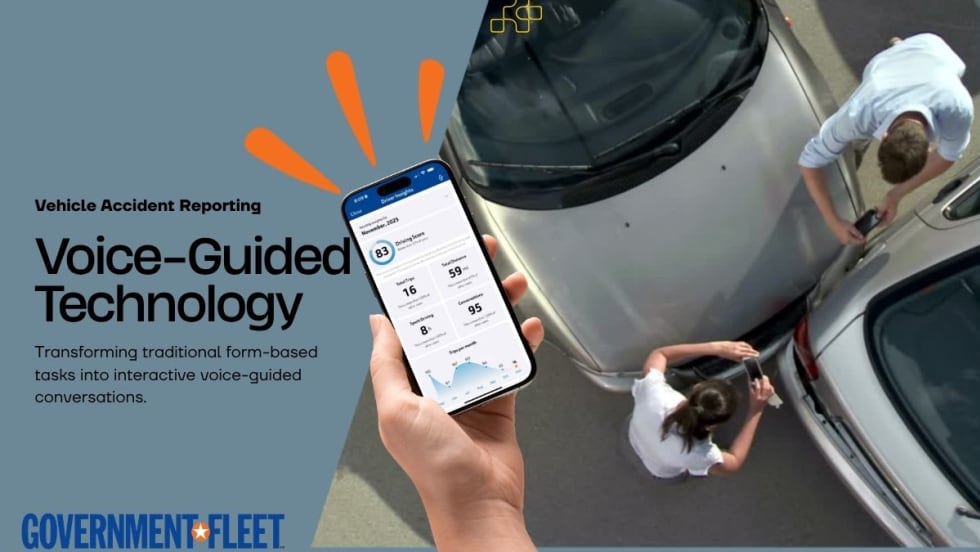
How Conversational AI Can Simplify Driver Workflows
Voice-guided technology is helping drivers complete vehicle inspections, accident reporting, and motor pool checkouts through conversations instead of forms.
Read More →
Connecticut Renews Fleet Telematics Agreement, Adds Automation Tools
Connecticut is expanding the use of automation within its fleet operations as part of a renewed telematics agreement. The new tools are designed to reduce manual reporting, streamline compliance tasks, and support management of the state's more than 3,600 vehicles.
Read More →
Tennessee DOT Selects Geotab as Fleet Telematics Provider
As state transportation agencies continue to expand their use of connected vehicle technologies, the Tennessee Department of Transportation is moving forward with a new telematics deployment. The initiative is expected to provide greater insight into fleet activity, asset utilization, and maintenance operations.
Read More →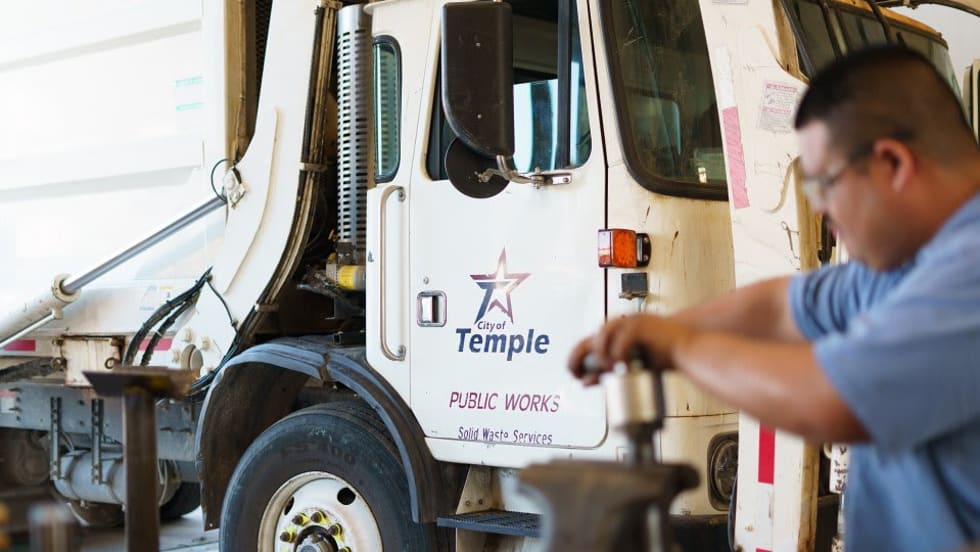
City of Temple Enhances Fleet Operations with New Telematics Technology
The City of Temple is deploying a new Geotab telematics system across multiple municipal departments to improve fleet maintenance, safety monitoring and operational efficiency.
Read More →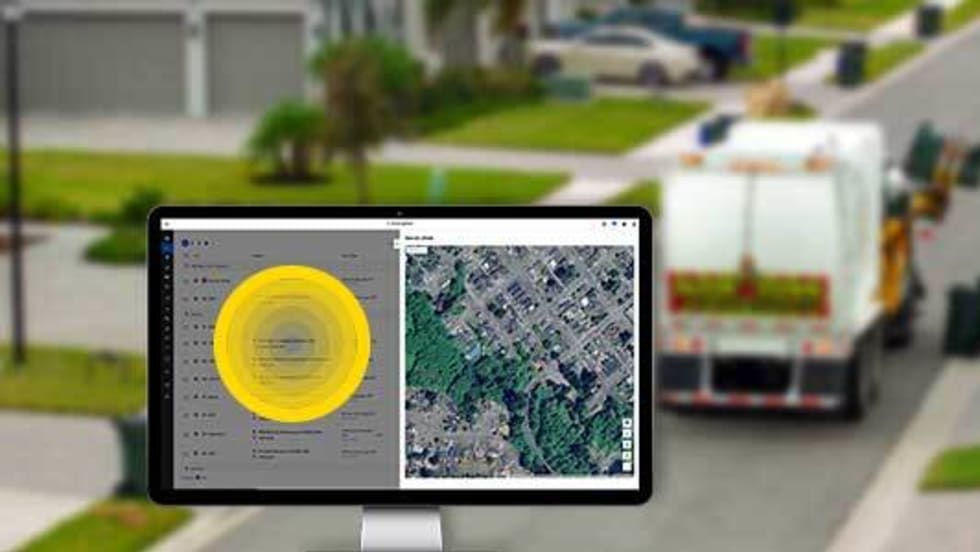
3 Ways Fleet Tech Builds Public Trust
Managing a state or local fleet comes with levels of accountability private companies don’t have. Read how modern fleet technology helps elevate visibility and safety to strengthen community trust.
Read More →
Geotab Launches Next-Gen GO Devices to Strengthen Oversight and Data Security
Next-generation telematics platform promises stronger diagnostics, asset tracking, and actionable insights.
Read More →
Ford Pro Telematics Introduces In-App Asset Tracking
Ford Pro Telematics expands its abilities.
Read More →
Distracted Driving and Samsara AI Safety
The U.S. public sector continues to use AI technology to combat the dangers of distracted driving.
Read More →
Teletrac Navman’s TN360 Now Connects with Factory-Fitted Telematics for Easier Fleet Oversight
Agencies can now tap into factory-installed vehicle data within TN360 without taking vehicles out of service for hardware installs.
Read More →
Element, Samsara Partner to Launch Comprehensive Fleet and Operations Management Offering
This joint offering streamlines procurement and onboarding for shared customers to deliver greater safety and efficiency for fleets.
Read More →