



Rockville City Police Outfits Metro Fleet with In-Car Video Systems
ROCKVILLE, MD - ICOP Digital, Inc., a provider of digital in-car video systems for law enforcement, announced that the Rockville City Police Department has ordered 40 ICOP Model 20/20 units for fleet-wide deployment.
ROCKVILLE, MD - ICOP Digital, Inc., a provider of digital in-car video systems for law enforcement, announced that the Rockville City Police Department has ordered 40 ICOP Model 20/20 units for fleet-wide deployment, according to the Telematics Journal. The order, valued at approximately $220,000, will ship immediately. Recognized as the third largest city in Maryland and located 15 miles outside of Washington, D.C., Rockville has a local population of nearly 60,000 and daily commuters into the city of an additional 40,000. Currently, the Rockville City Police Department operates a police vehicle fleet comprised of a mix of auto makes — Ford Crown Victorias, Chevrolet Impalas, and Dodge Chargers. Rapid adoption of the ICOP Model 20/20 by law enforcement agencies nationwide is being driven by both competitive cost and efficiency benefits afforded by the system. Noted for its ease of installation and servicing, the entire unit fits in the vehicle dashboard, replacing the radio unit (an AM/FM tuner is built into the ICOP product). There are no parts in the trunk, under the seat, or overhead — a critical point for officer safety. The ICOP Model 20/20 records using full-VGA, providing maximum image quality and integrity of data (preventing unauthorized access and editing of video files). For further precision, pressing the "Mark" button records exact event location for easy retrieval (using built-in GPS). The ICOP Video Management System archives, searches, copies, and displays two video images simultaneously. In addition, digital video footage can be readily formatted for the courtroom; converted to AVI (Windows Media Player) and MPEG II formats; or transferred to DVD, CD, or VHS tape.
More Operations

What Government Fleets Are Missing About Their True Costs
What are fleet budgets missing, and how can agencies use the data they already collect to make a stronger case for change?
Read More →
Rethinking Fleet Decisions From the Budget Office to the Shop
This October we looked back at how public fleets are reconsidering familiar processes and using what they learn to make better decisions.
Read More →
Who Owns the Message on a Refuse Truck?
Refuse trucks can carry public messages into neighborhoods, but keeping those messages current takes planning and clear responsibility.
Read More →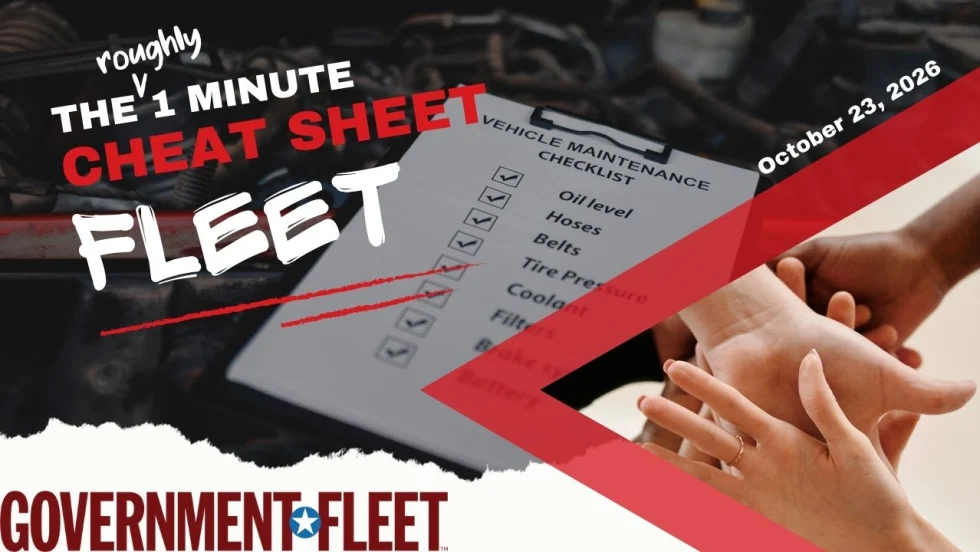
Who Deserves Fleet Recognition and What Could You Teach at GFX?
Who helped shape your fleet career, and what have you learned that could help someone else?
Read More →
What’s Haunting Public Sector Fleets?
Public sector fleet challenges rarely happen in isolation, and addressing one often means understanding how it connects to another.
Read More →
Is Keeping Older Fleet Vehicles Really Saving Money?
Is keeping vehicles longer saving money, and what happens when a diagnostic test points to the wrong fix?
Read More →
How Smart Fleet Strategy Can Help Local Government Agencies Do More with Less
Keeping a vehicle longer may ease this year’s budget, but what does it cost the next one? A closer look at fleet decisions can reveal opportunities to reduce spending while protecting essential services.
Read More →
Connect with Government Fleet on LinkedIn
From industry news and fleet management strategies to conversations with peers, Government Fleet's LinkedIn page offers public-sector fleet professionals another way to stay informed and connected.
Read More →
Town of Queen Creek Named Most Successful Fleet Award Winner of Inaugural RTA Fleet Success Awards
Five fleets were honored at RTA Connect 2026 in Chicago for excellence across resource efficiency, intentional culture, risk management, and stakeholder satisfaction.
Read More →
A buyer's guide to fleet management software in 2027
Buying fleet management software in 2027 means looking beyond features and price. As fleet operations, technology and expectations evolve, this guide explores what today’s fleet professionals should consider when choosing a system that can deliver value now and adapt to what comes next.
Read More →