




Report Finds Federal Fleet ZEV Transition will Require a Change of Approach
The U.S. Government Accountability Office noted the latest efforts to transition to ZEVs in the federal fleet, as well as the challenges federal agencies are facing.

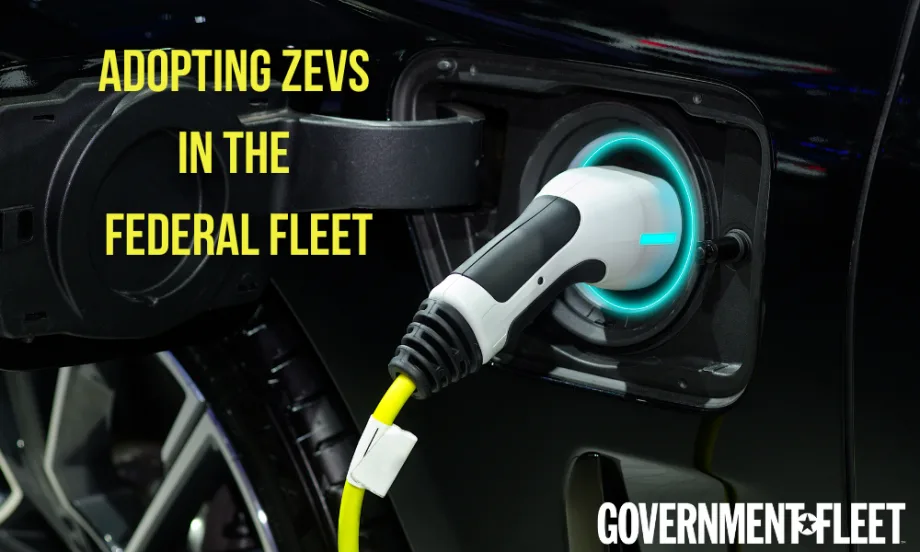
The U.S. Government Accountability's report on the transition to ZEVs in the federal fleet notes the latest efforts to move toward ZEVs, as well as challenges fleet managers are facing.
Photo: Canva
The U.S. Government Accountability Office (GAO) recently issued a report providing a snapshot of the federal fleet's efforts to transition to zero-emissions vehicles (ZEVs). It follows a 2021 executive order by the Biden Administration to begin the transition toward ZEVs in federal fleets.
Among the observations in the report were these takeways:
Agencies have begun to organize and train their workforces to implement ZEVs into their fleets.
Agencies have begun to optimize their fleet management by assessing their fleets to determine where ZEVs can meet vehicle mission needs. The agencies with the approved ZEV Strategic Plans also set a fiscal year 2023 ZEV acquisition target of almost 9,500 light-duty vehicles.
Agencies have begun to expand their charging infrastructure by conducting site assessments to understand the potential considerations needed to support increased electrification. The agencies with approved plans also set a fiscal year 2023 installation target of over 8,500 charging ports.
About the Report
GAO completed the report after it was asked to examine key considerations of the federal transition to ZEVs. The report examines steps agencies have taken or plan to take to prepare the federal workforce for ZEVs, to optimize fleet management, and to expand charging equipment at federal facilities, among other objectives.
GAO reviewed the ZEV fleet Strategic Plans of 26 agencies, which outline agency's fleet transition strategies (for those with at least 20 vehicles) to understand future acquisition and installation targets, estimated budget requirements, potential challenges, and lessons learned.
As of March 2023, 26 of 30 plans had been approved by the Council on Environmental Quality (CEQ) and Office of Management and Budget. These 26 agencies represent over 99% of all vehicles within federal fleets. GAO also interviewed officials from four selected agencies the Department of Homeland Security, the Environmental Protection Agency, the Department of Transportation, and the United States Department of Agriculture on the steps they have taken to integrate ZEVs into their fleets.
The Executive Order at a Glance
The executive order requires all acquisitions of light-duty vehicles to be ZEVs by the end of fiscal year 2027; it requires all vehicle acquisitions to be ZEVs by 2035. Other public sector fleets have rolled out similar orders, at the local and state level.
The order affects approximately 380,000 vehicles within federal fleets as they become subject to replacement, and represents a significant transformation in the federal government’s approach to vehicle procurement.
For example, GAO reported in 2022 that federal agencies subject to the order replaced or acquired about 45,000 vehicles in fiscal year 2021. Of those, about 260 were considered ZEVs.
What Are ZEVs, According to the Executive Order?
The executive order defines a ZEV as the following vehicle types:
Battery-electric vehicles (BEVs).
Plug-in hybrid elecric vehicles (PHEVs).
Hydrogen fuel cell electric vehicles (FCEVs).
Like the California Air Resources Board (CARB) Advanced Clean Fleets rule, hybrid electric vehicles (HEVs) are not considered ZEVs.
What Does GAO Recommend?
GAO noted that ZEVs can require a change in the ways vehicles are assigned for duties, due to battery range. Range anxiety can lead fleet managers to reconsider whether adopting ZEVs is attainable. GAO urged fleet managers to avoid this way of thinking.
"Implementing ZEVs into federal fleets will require federal agencies to shift perceptions about their capability to adequately meet mission needs in terms of performance and driving range," the report's authors stated.
The authors acknowledged that planning for these changes can take several years. They also pointed out recommendations from the Biden Administration's executive order, which were laid out in several action steps:
Improving the workforce’s understanding of ZEVs: lack of knowledge and experience can hinder technology adoption. GAO encouraged training.
Optimizing agency fleet management: agencies will acquire ZEVs for all new vehicle acquisitions where GSA offers one or more ZEV options for that class of vehicle.
Expanding vehicle fleet charging infrastructure: to support ZEV deployment, increased access to electric vehicle (EV) charging equipment is critical.
Observations From GAO's Report
GAO analyzed 26 ZEV Strategic Plans within different agencies in the federal fleet. Ten of the 26 plans described the creation of agency- or component-wide working groups to bring together ZEV stakeholders, provide training, and encourage adoption of leading practices.
Additionally, 10 of the 26 plans described efforts to address concerns among vehicle operators about the capability of ZEVs to perform agency missions. Some described using pilot programs, small scale roll-outs, and other technical demonstrations to engage employees and build confidence in the transition.
In one example, the U.S. Forest Service noted that it plans to circulate ZEV pickup trucks among employees at three locations so a wide range of operators can become familiar with the technology and provide feedback to leadership on ZEV deployment.
As noted above, the 26 agencies with approved strategic plans set targets to acquire a combined total of about 9,480 light-duty ZEVs in fiscal year 2023. However, meeting that target is contingent on a number of factors, such as whether sufficient funding is available and mission-appropriate vehicles are available from vehicle manufacturers.
Officials from a number of the selected agencies said that, in the short-term, they plan to generally prioritize the acquisition of ZEVs to replace vehicles considered “low-hanging fruit” from those due for replacement. Typically, that refers to vehicles that are identified by the fleet assessments as suitable to replace with a ZEV, have a current equivalent ZEV model available, and are located at sites with other strong ZEV candidates, according to the report.
Challenges in ZEV Adoption
In GAO's review, it found two key challenges that were commonly reported specifically related to vehicle acquisitions:
Limited vehicle quantities available: 17 of the 26 plans reported that one of the challenges in meeting their targets were the limited numbers of vehicles available from OEMs.
Limited vehicle models available: 15 of the 26 plans identified the lack of available ZEV models that could perform mission needs as a potential challenge to meeting their targets.
In a 2022 report, GAO noted that larger models of SUVs and pickup trucks have not been commercially available. However, according to estimates the U.S. Department of Energy (DOE) provided to agencies to help them set their ZEV acquisition targets, DOE expects these vehicle types to be generally available starting in 2024.
Planning for Charging Infrastructure
According to the report, the agencies affected by the executive order have begun to conduct site assessments at a limited number of facilities and have set annual charging equipment installation targets.
The site assessments involve facility staff discussing fleet acquisition plans and workplace charging needs for personally owned vehicles, and then reviewing parking locations and electrical infrastructure. These assessments can help inform recommendations for the numbers, types, and locations of the charging necessary to support the fleet.
Based on GAO's review of the 26 ZEV strategic plans, agencies initiated about 550 sites assessments in fiscal year 2022.
Agencies reported three key challenges that may hinder the installation of charging equipment at federal facilities:
Electrical capacity limitations.
Costs.
Leased space.
These are common hurdles for fleet managers across the public sector. Miami Parking Authority CEO Alex Argudin chatted about some of these challenges with Charged Fleet in February 2023. She shared six questions fleet managers should ask as they plan for charging infrastructure. See what she suggested fleet managers ask.
Funding the Transition to ZEVs
Agencies estimated in their 26 approved plans that they would need over $470 million to meet the fiscal year 2023 targets.
That total represents:
Almost $200 million in estimated increased incremental costs (i.e. the price differential, if any, between the alternative fuel vehicle and the lowest-priced comparable ICE vehicle when leased from GSA).
Almost $300 million in estimated costs to design and install the necessary infrastructure, among other potential expenses.
CEQ could not confirm the accuracy of the estimation; officials stated that they are working with OMB to develop estimations to inform future administration budget requests.
CEQ officials also said that for fiscal year 2023, agencies received approximately a third of the total appropriations requested for the acquisition of ZEVs. According to CEQ, that's similar to what occurred in 2022, which contributed to agencies not meeting their targets.
Accelerating the Move Toward ZEVs
In its findings, GAO reported that agencies have four other sustainability goals outlined in the executive order beyond the transition to ZEVs. CEQ officials said that they plan to integrate ZEV efforts into the Biden Administration’s wider sustainability goals. The council believes this could accelerate the achievement of the order's goals through new avenues for external coordination.
For example, the federal government is already the largest consumer of electricity in the nation. According to the GAO report, the federal government spent more than $4 billion on electricity in 2020; the transition to EVs will only increase its electricity use.
The federal government, according to the Federal Sustainability Plan, will seek ways to pilot and accelerate the powering of federal facilities with carbon pollution-free electricity. This could include solar power.
The GAO noted that in the future, it plans to share more on the costs and benefits of using a ZEV in federal fleets compared to conventionally fueled vehicles.
More Green Fleet
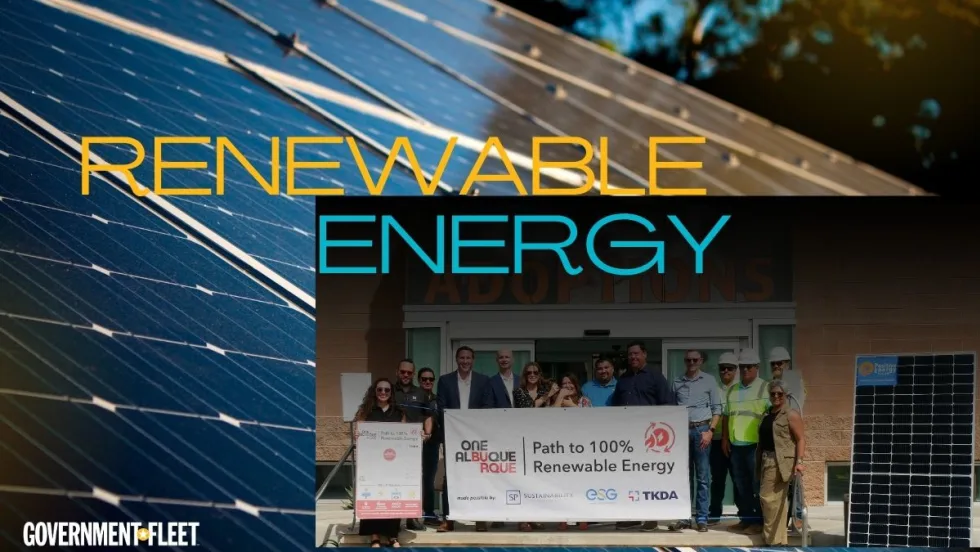
Sustainability Partners, Energy Systems Group Help Albuquerque Close the Gap on its 100% Renewable Energy Goal
The eight-site, 6 MW solar project has advanced the city toward 100% renewable energy for municipal operations.
Read More →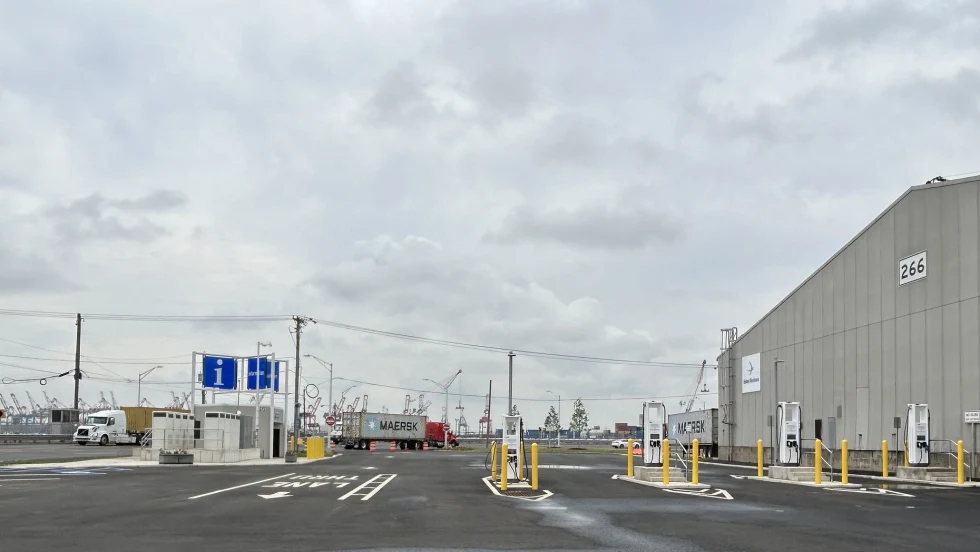
Port Authority and CALSTART Launch $45 Million Electric Truck and Charging Programs
The programs aim to boost sustainable operations across the East Coast's busiest seaport.
Read More →
Moving Government Fleets Beyond the Vehicle Purchase: EV as a Service
A discussion on how EVaaS is moving beyond pilot programs and what fleets should consider before beginning a larger deployment.
Read More →
Moving Government Fleets Beyond the Vehicle Purchase: EV as a Service
As fleets move beyond small EV pilots, Sustainability Partners CEO Adam Cain explains how EVaaS can address the infrastructure and long-term planning required for larger deployments.
Read More →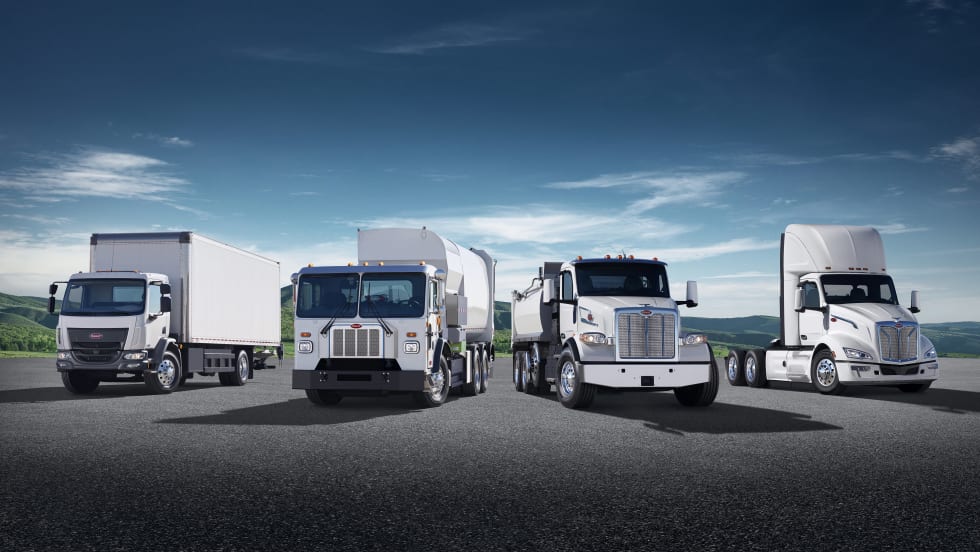
Peterbilt Expands Sourcewell Partnership with Electric Vehicle Lineup
The agreement aims to provide streamlined procurement of Peterbilt trucks for government, education, nonprofit and tribal organizations across the United States and Canada.
Read More →
EV Adoption & Charging Challenges
Where is your fleet in the journey of vehicle electrification? If you're still looking for answers to fleet electrification you've come to the right place.
Read More →
Hawaii Passes Clean Fuel Policy
Hawaii lawmakers passed clean fuel legislation that could support renewable natural gas production, biogas-powered transportation, and lower-carbon fueling options for public and commercial fleets.
Read More →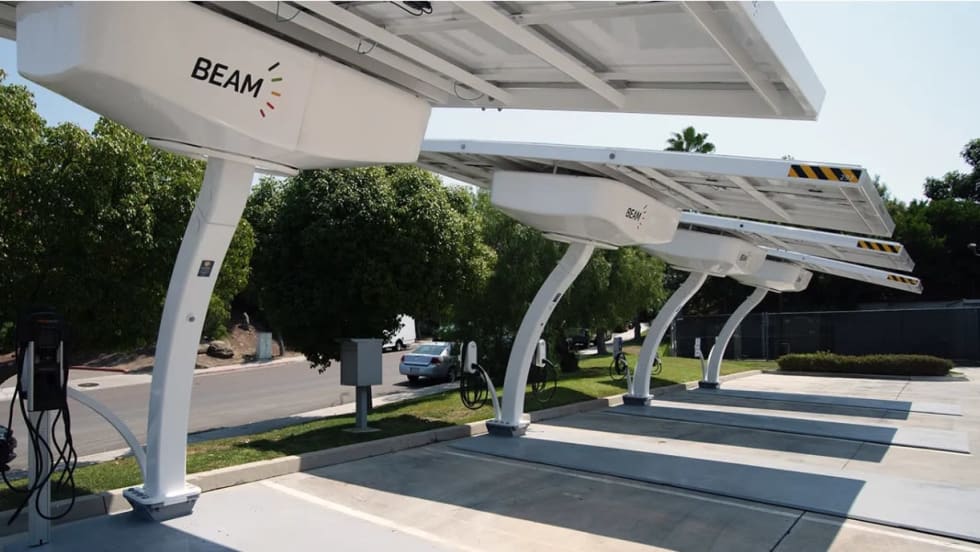
Stanislaus County Deploys Ten Beam Global EV ARC Systems to Support County Fleet Electrification
Stanislaus County deployed 10 off-grid solar-powered EV charging systems and a mobile charging trailer from Beam Global to support its electric fleet operations and emergency response flexibility.
Read More →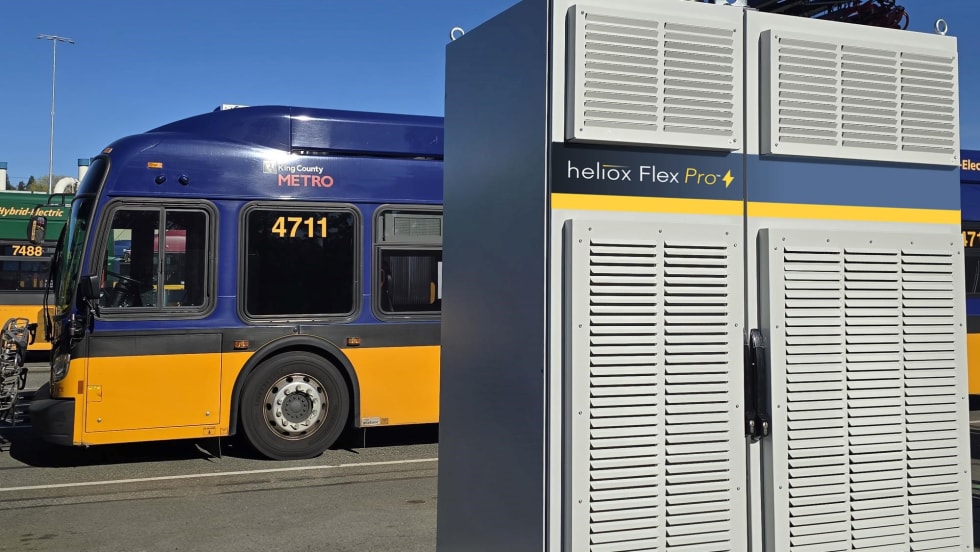
Heliox Pilots 480-kW Bus Charger with King County Metro
King County Metro is piloting Heliox’s new 480-kW Flex Pro charger to support expansion of its battery-electric bus fleet and depot charging infrastructure. The compact charging system supports pantograph and plug-in charging configurations for high-density transit operations.
Read More →