




Report Chides Utah Cities for Lacking Uniform Fleet Vehicle Policy
SALT LAKE CITY, UT — Utah County's 23 cities have no uniform policy for vehicle use or vehicle allowances, and only a handful of cities share a common record-keeping system that is based on reports generated by a fuel-only credit card company, according to the Provo Daily Herald newspaper on August 15.
SALT LAKE CITY, UT — Utah County's 23 cities have no uniform policy for vehicle use or vehicle allowances, and only a handful of cities share a common record-keeping system that is based on reports generated by a fuel-only credit card company, according to the Provo Daily Herald newspaper on August 15. The way cities keep records varies, and so does the amount spent on fuel — not surprising with cities ranging in size from Vineyard at 156 residents, to 113,013 in Provo. During the first four months of 2004, Provo spent more than $162,000 fueling hundreds of vehicles, including police cars. During the same period, Eagle Mountain, which is 8.5 percent the size of Provo, spent about $12,000, fueling its 19 vehicles — about 7.4 percent of what Provo spent. And three towns – Cedar Fort, Vineyard, and Woodland Hills — don't even own a car. In June, the Daily Herald asked all 23 cities for vehicle use records, policies, mileage, and money spent. The request was prompted by recent gas and vehicle scandals in Salt Lake County. As a result of the Herald's requests, some city officials have said they need to change the way they track employees' vehicle use and fuel purchases. Though 7-year-old Eagle Mountain hasn't needed to discipline any employees for violating city vehicle policies, the city is revamping the policy, City Administrator Chris Hillman said. The policy change is an attempt to better track what's being spent and who's spending. "I believe we have a system that tracks the usage OK, but I do not feel it is adequate," Hillman said. "I do feel we can and will improve our fleet management system." Eagle Mountain has 17 vehicles assigned to specific employees, and each car has a gas card. None of the employees are required to keep mileage records. Lehi officials also are rethinking the way the city tracks employees gas purchases and mileage. “It took a week to put together four months of fuel and mileage data,” Lehi City Administrator Ed Collins said. Consequently, city officials are thinking of ways to make the information more readily available. Few cities in the county track mileage, though cities that are part of the state's GasCard fuel network obtain odometer readings from employees each time they purchase gas. Some cities, such as Salem and Lehi, aren't part of the GasCard network. The GasCard reports also include who bought the fuel, as well as where and how much they put in their cars. According to the state's Web site, the cards are programmed with purchase limits and allowed fuel times. The system relies on employees to input the correct odometer readings. The cities are alerted to incorrect odometer readings on monthly reports.
More Operations
Improving Fleet Efficiency with Motorpool Technology
Government Fleet caught up with Daniel McGehee, Head of Sales, US, and APAC, Ridecell, about top concerns for motorpools, keyless technology, and how motorpools have transformed the way fleets are managed.
Read More →
How the Right Public Works Equipment Can Ease Your Bottom Line
Government Fleet sits down with Mark Allison, Director of Excavator Products, Gradall, and Tod Ebetino, Director, Vacall Products, to discuss the importance of using the right equipment that can make jobs more efficient and cost-effective.
Read More →
How Government Fleets Are Turning Connected Vehicle Data Into Practical Decisions
Public sector fleets are using connected technology to improve visibility, but the bigger challenge is building the processes to act on the information it provides.
Read More →
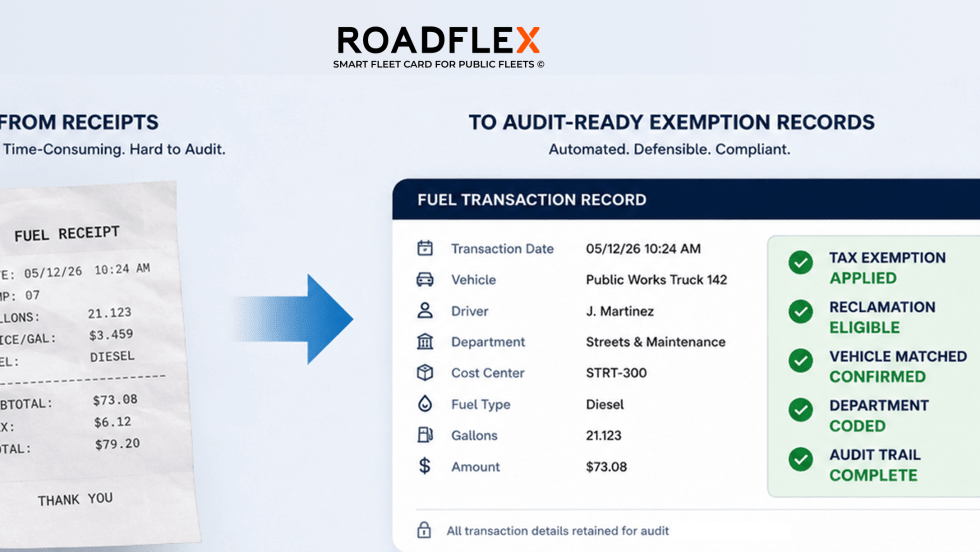
RoadFlex Brings Fuel Tax Compliance and Audit-Ready Reporting to Government, Public Works Fleets
New capabilities aim to help public-sector and public works fleets streamline fuel tax exemptions, reclamation, reconciliation, and audit-ready reporting.
Read More →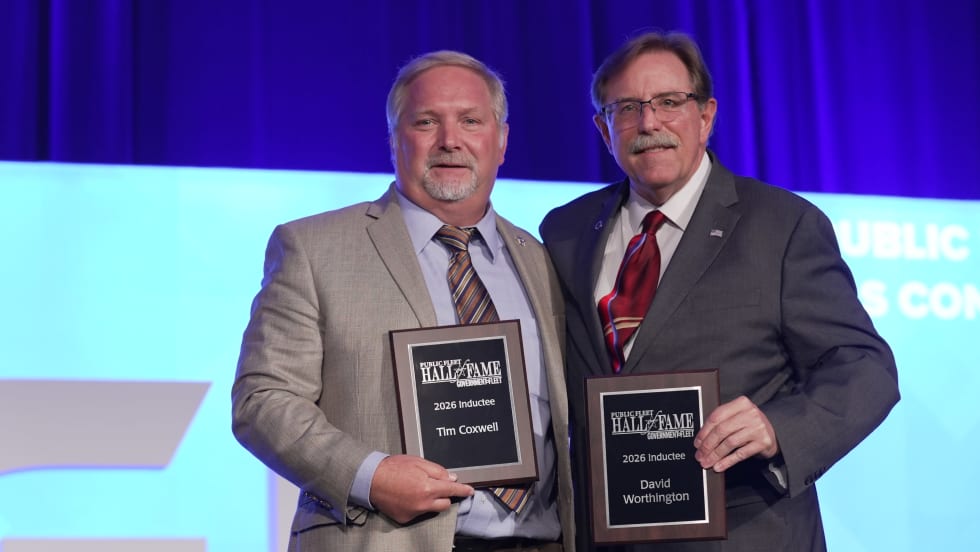
2026 Public Fleet Hall of Fame Inductees Honored
This year's class includes leaders whose work has helped shape the public fleet industry.
Read More →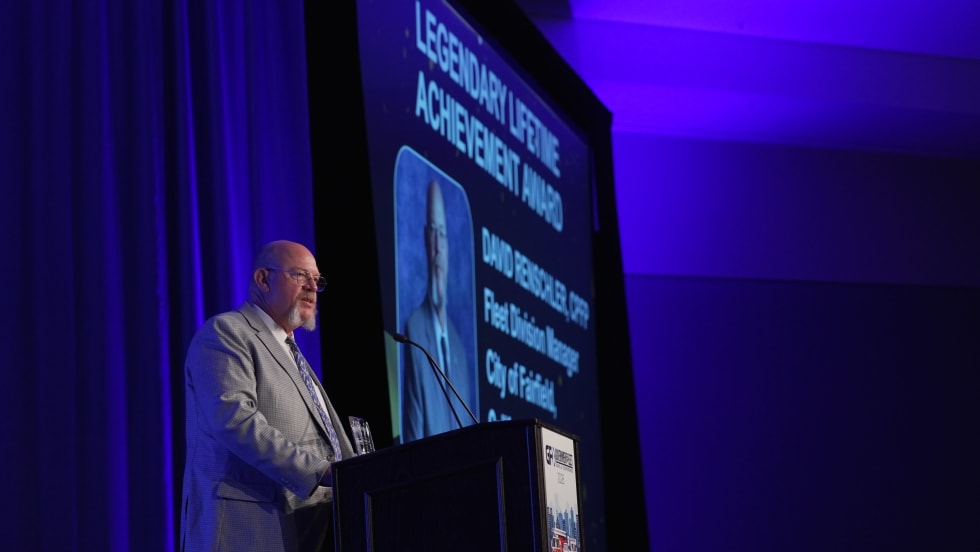
David Renschler Receives 2026 Legendary Lifetime Achievement Award
Andy Campbell of Sourcewell, which partnered with Government Fleet in presenting the award, recognized Renschler.
Read More →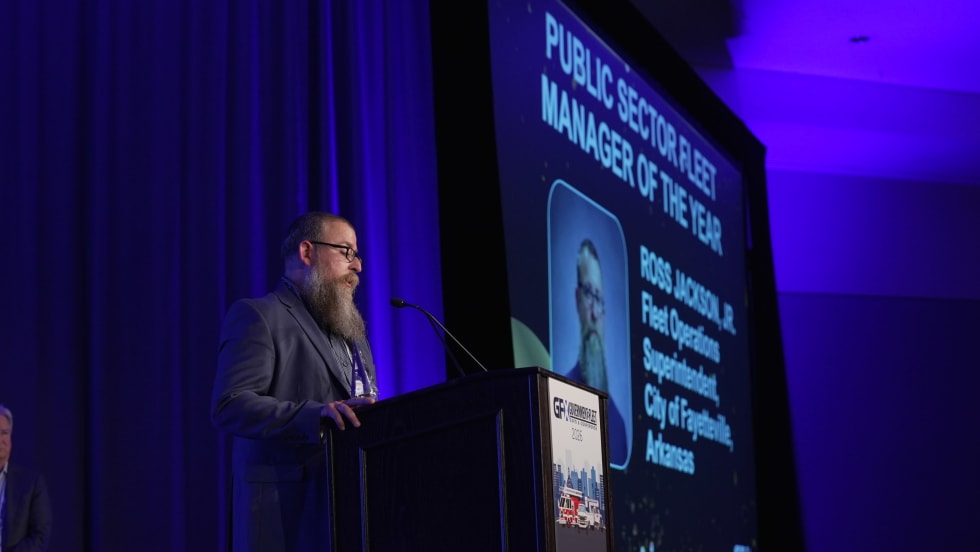
Ross Jackson Jr. Named 2026 Public Sector Fleet Manager of the Year
His leadership, innovation, and commitment to excellence earned him one of the industry's top honors.
Read More →
Public Fleet Professionals Set to Converge as GFX Gets Underway
Known as the largest gathering of public fleet professionals in the nation, GFX will feature in-depth training sessions, emerging fleet technologies, and access to leading suppliers and service providers.
Read More →
The Technician Pipeline: Finding, Keeping, and Promoting Techs Within the Operation
A look at where to find good talent, what fleets are doing to incentivize those techs to stay within the fleet, and what promotion looks like for a technician within the public sector.
Read More →
5 Public Fleet Stories Worth Revisiting Before GFX | The May Dispatch
Public fleet leaders are being asked to prepare for more, communicate better, and make decisions that hold up under pressure.
Read More →