




Problems Plague U.S. Government's Flex-Fuel Fleet
WASHINGTON - The costly effort to put more workers into vehicles powered by ethanol and other fuel alternatives has been fraught with problems.
WASHINGTON - The federal government has invested billions of dollars over the past 16 years, building a fleet of 112,000 alternative-fuel vehicles to serve as a model for a national movement away from fossil fuels, according to the Washington Post. But the costly effort to put more workers into vehicles powered by ethanol and other fuel alternatives has been fraught with problems, many of them caused by buying vehicles before fuel stations were in place to support them, a Washington Post analysis of federal records shows.
More than 92 percent of the fuel used in the government's alternative-fuel fleet continues to be standard gasoline. And, the federal program - known as EPAct - has sometimes increased gasoline consumption and emission rates, the opposite of what was intended.
The Postal Service illustrates the problem. It estimates that its 37,000 newer alternative-fuel delivery vans, which can run on high-grade ethanol, consumed 1.5 million additional gallons of gasoline last fiscal year because of the larger engines. The vehicles that would allow the agency to meet federal mandates were available in six- and eight-cylinder models -- not the four-cylinder variety it traditionally purchased. Alternative fuel was used less than 1 percent of the time in 2007-2008, according to the Washington Post.
The Post analysis shows that at least 2,341 flex-fuel vehicles were placed in seven states with no E-85 stations, and in Puerto Rico, where the situation is the same. Hawaii has the greatest share, with more than 1,000 flex-fuel vehicles purchased or leased by various agencies, mostly military. The U.S. Navy tops the list. The Navy has more than 670 flex-fuel vehicles on three islands. Not one of the sedans, SUVs, or trucks has ever operated on E-85.
Another shortcoming of EPAct was that it did not require fleet managers to track vehicle locations. The fleet grew, but no one knew how it was taking shape. This discouraged private investment in fueling stations because industry needed better data.
The GAO said its analysis showed that future improvements will rely on better data. And it is time for government to reassess the original vision for the fleet, the agency said.
More Green Fleet
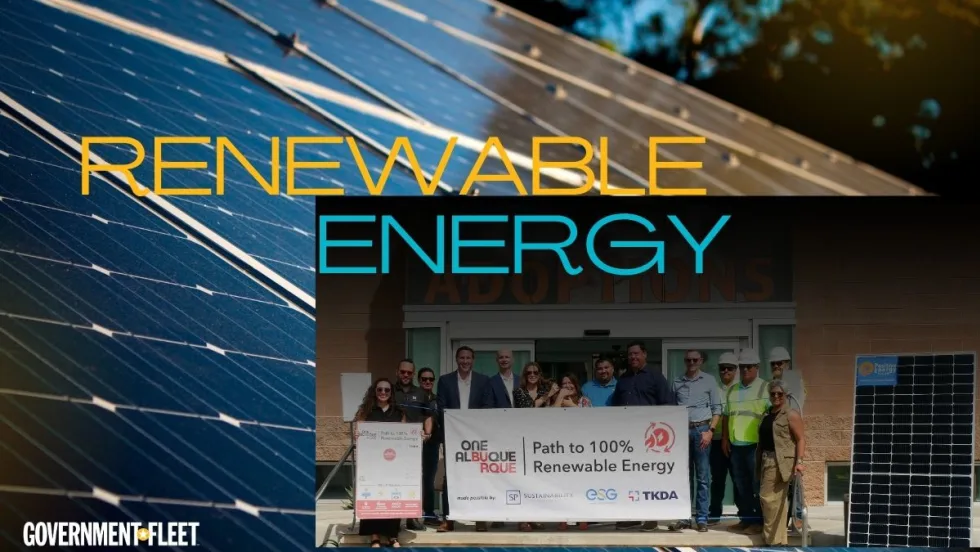
Sustainability Partners, Energy Systems Group Help Albuquerque Close the Gap on its 100% Renewable Energy Goal
The eight-site, 6 MW solar project has advanced the city toward 100% renewable energy for municipal operations.
Read More →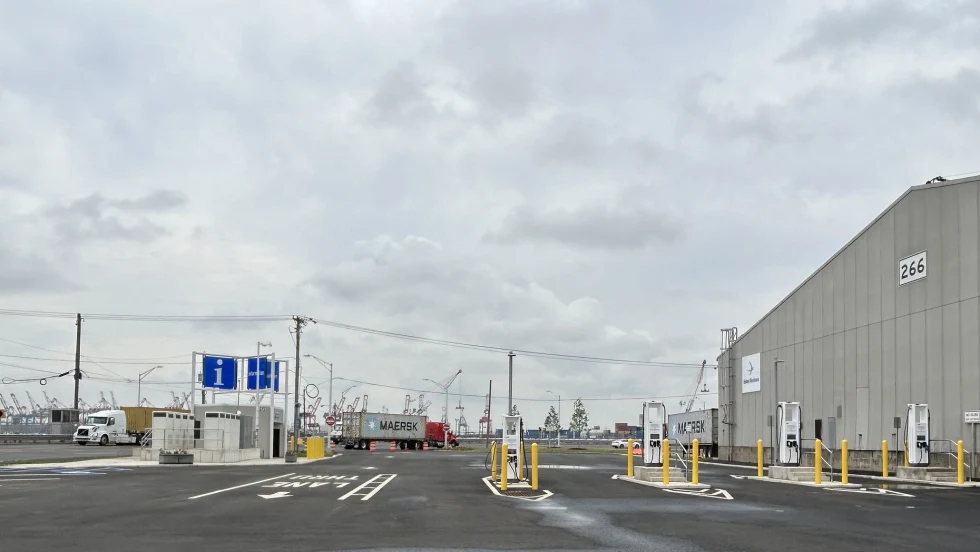
Port Authority and CALSTART Launch $45 Million Electric Truck and Charging Programs
The programs aim to boost sustainable operations across the East Coast's busiest seaport.
Read More →
Moving Government Fleets Beyond the Vehicle Purchase: EV as a Service
A discussion on how EVaaS is moving beyond pilot programs and what fleets should consider before beginning a larger deployment.
Read More →
Moving Government Fleets Beyond the Vehicle Purchase: EV as a Service
As fleets move beyond small EV pilots, Sustainability Partners CEO Adam Cain explains how EVaaS can address the infrastructure and long-term planning required for larger deployments.
Read More →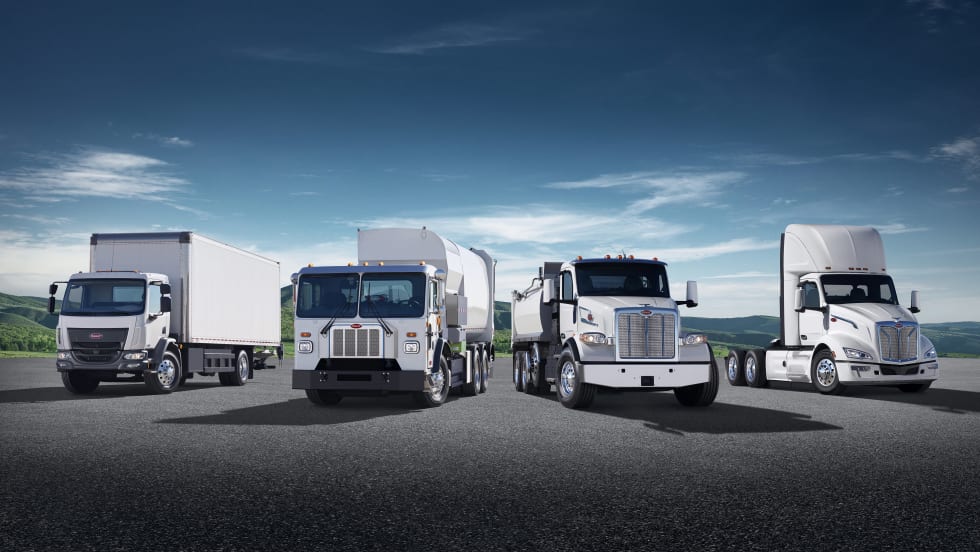
Peterbilt Expands Sourcewell Partnership with Electric Vehicle Lineup
The agreement aims to provide streamlined procurement of Peterbilt trucks for government, education, nonprofit and tribal organizations across the United States and Canada.
Read More →
EV Adoption & Charging Challenges
Where is your fleet in the journey of vehicle electrification? If you're still looking for answers to fleet electrification you've come to the right place.
Read More →
Hawaii Passes Clean Fuel Policy
Hawaii lawmakers passed clean fuel legislation that could support renewable natural gas production, biogas-powered transportation, and lower-carbon fueling options for public and commercial fleets.
Read More →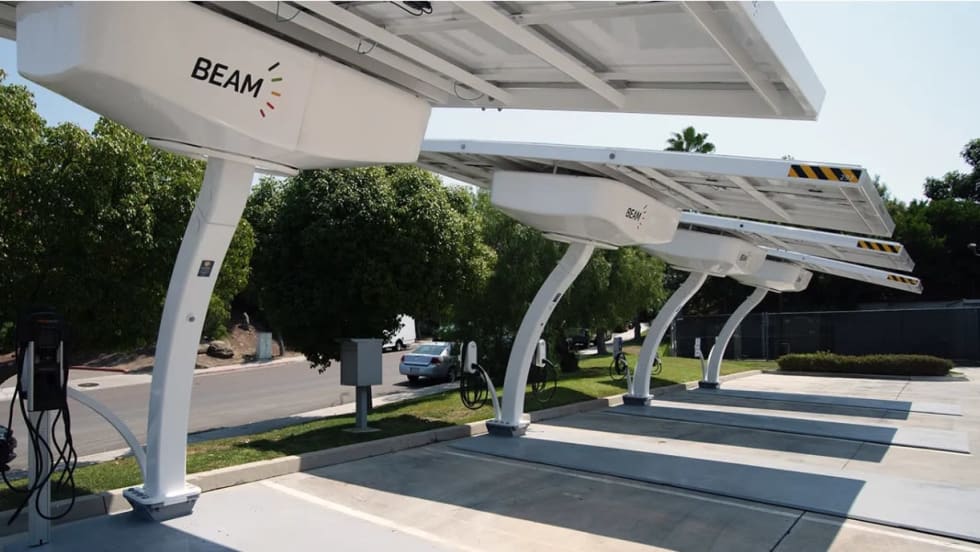
Stanislaus County Deploys Ten Beam Global EV ARC Systems to Support County Fleet Electrification
Stanislaus County deployed 10 off-grid solar-powered EV charging systems and a mobile charging trailer from Beam Global to support its electric fleet operations and emergency response flexibility.
Read More →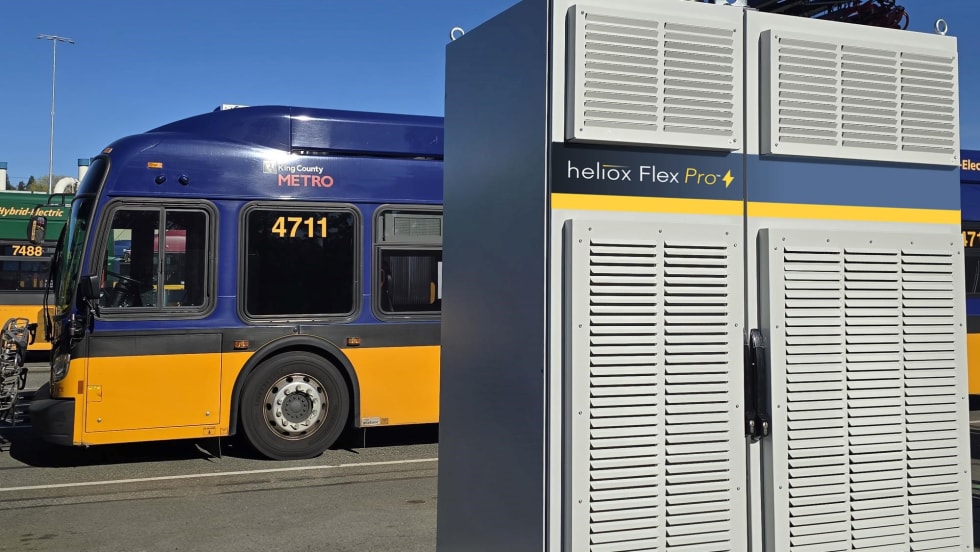
Heliox Pilots 480-kW Bus Charger with King County Metro
King County Metro is piloting Heliox’s new 480-kW Flex Pro charger to support expansion of its battery-electric bus fleet and depot charging infrastructure. The compact charging system supports pantograph and plug-in charging configurations for high-density transit operations.
Read More →