




Similar Content: Gasoline or Diesel, What's the Difference?
Premier Performance Fined $3M for Selling ‘Defeat’ Devices
The U.S. Environmental Protection Agency has fined Premier Performance of Rexburg, Idaho, one of the nation’s largest sellers of aftermarket automotive parts, $3 million for illegally selling emissions-control defeat devices.
March 10, 2021
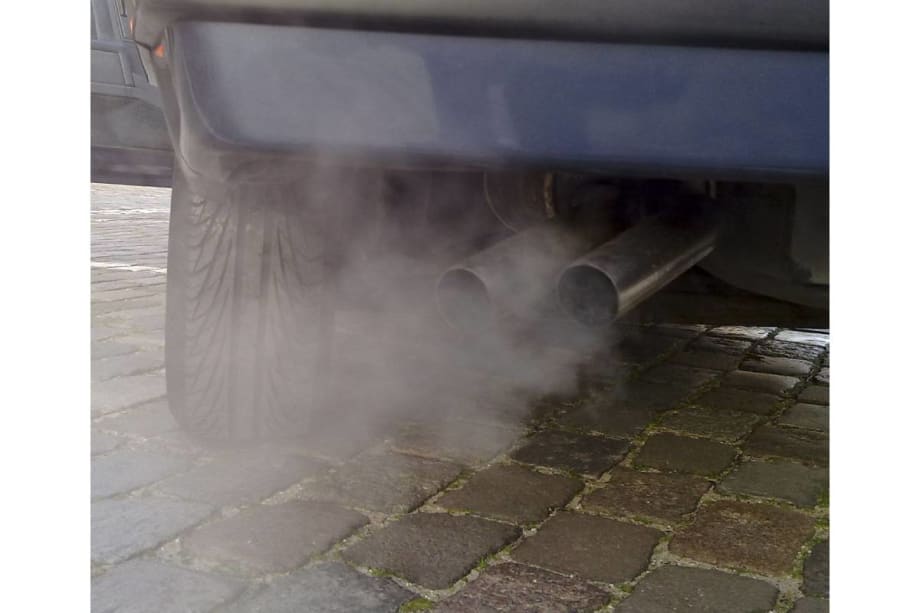
The U.S. Environmental Protection Agency has fined Premier Performance of Rexburg, Idaho, one of the nation’s largest sellers of aftermarket automotive parts, $3 million for illegally selling emissions-control defeat devices.
Photo: Ruben de Rijcke (CC BY-SA 3.0)
2 min to read
The U.S. Environmental Protection Agency announced Premier Performance of Rexburg, Idaho, one of the nation’s largest sellers of aftermarket automotive parts, has agreed to pay a $3 million penalty under the Clean Air Act for illegally selling emissions-control defeat devices to businesses and individuals throughout the U.S.
The EPA alleges that from approximately January 2017 to February 2019, the company and three of its related companies — JB Automotive in Iowa, RallySportDirect in Utah, and Stage 3 Motorsports in Arizona — manufactured or sold at least 64,299 parts or components that bypass, defeat, or render inoperative the manufacturers’ technology and design necessary to reduce vehicle emissions to meet state and federal Clean Air Act standards.
The EPA estimates that — in terms of oxides of nitrogen (or NOx) — the emissions impact of removing emission controls from just one pickup truck is equivalent to putting about 300 new pickup trucks on the road. EPA estimates this action will prevent the release of approximately 3.5 million pounds of air pollution per year.
“These companies sold tens of thousands of aftermarket defeat devices, and as a result, tens of thousands of trucks now operate without the filters, catalysts, and other emissions controls that help keep our air clean,” said Ed Kowalski, director of EPA Region 10’s Enforcement and Compliance Assurance Division. “These settlements will prevent future violations by requiring the companies to ensure that the products they sell do not adversely affect emissions.”
Tampered diesel pickup trucks emit large amounts of NOx and particulate matter, both of which contribute to serious public health problems in the United States. To meet emission standards intended to protect public health, manufacturers employ certain hardware devices — such as exhaust gas recirculation, diesel particulate filters, and selective catalytic reduction — as emission control systems to manage and treat exhaust to reduce levels of particulate matter, non-methane hydrocarbons, NOx, and carbon monoxide released into the air. These hardware systems are operated and monitored by software systems.
In an agreement reached in February, the companies have agreed to stop manufacturing and selling all products that violate the CAA and have advised the EPA that they have implemented work practice standards and procedural safeguards to prevent the sale of defeat devices.
The parts were designed and marketed for use on makes and models of diesel pickup trucks and engines manufactured by Cummins, FCA, General Motors Company, and Ford Motor Company.
More Green Fleet
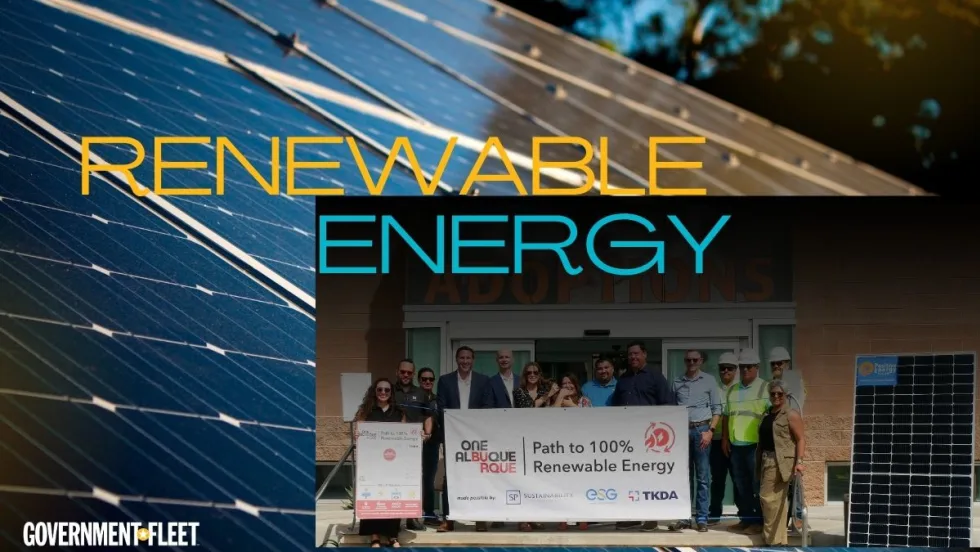
Sustainability Partners, Energy Systems Group Help Albuquerque Close the Gap on its 100% Renewable Energy Goal
The eight-site, 6 MW solar project has advanced the city toward 100% renewable energy for municipal operations.
Read More →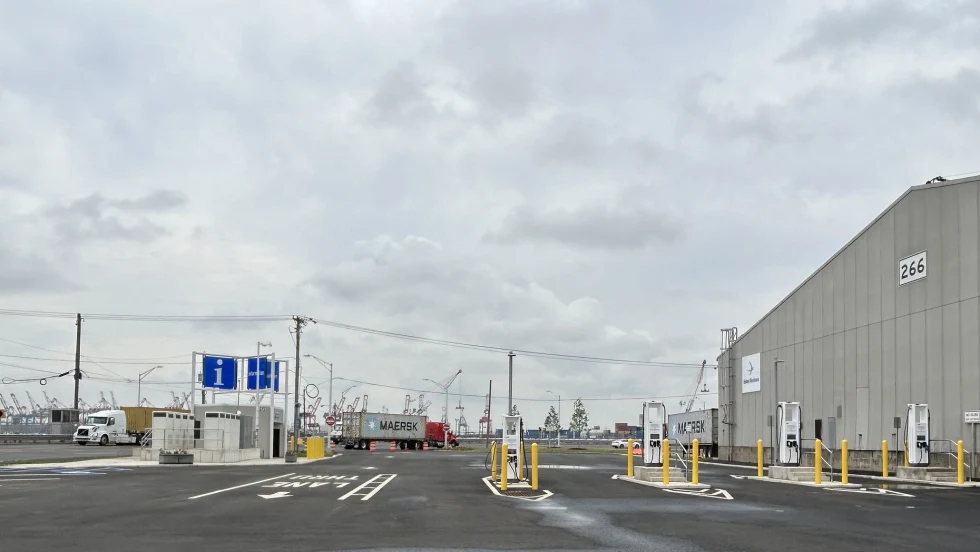
Port Authority and CALSTART Launch $45 Million Electric Truck and Charging Programs
The programs aim to boost sustainable operations across the East Coast's busiest seaport.
Read More →
Moving Government Fleets Beyond the Vehicle Purchase: EV as a Service
A discussion on how EVaaS is moving beyond pilot programs and what fleets should consider before beginning a larger deployment.
Read More →
Moving Government Fleets Beyond the Vehicle Purchase: EV as a Service
As fleets move beyond small EV pilots, Sustainability Partners CEO Adam Cain explains how EVaaS can address the infrastructure and long-term planning required for larger deployments.
Read More →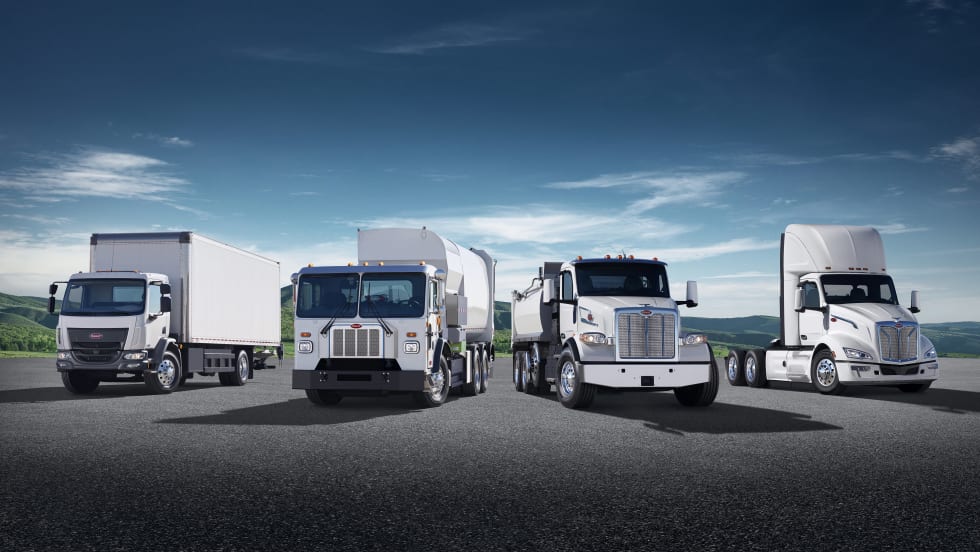
Peterbilt Expands Sourcewell Partnership with Electric Vehicle Lineup
The agreement aims to provide streamlined procurement of Peterbilt trucks for government, education, nonprofit and tribal organizations across the United States and Canada.
Read More →
EV Adoption & Charging Challenges
Where is your fleet in the journey of vehicle electrification? If you're still looking for answers to fleet electrification you've come to the right place.
Read More →
Hawaii Passes Clean Fuel Policy
Hawaii lawmakers passed clean fuel legislation that could support renewable natural gas production, biogas-powered transportation, and lower-carbon fueling options for public and commercial fleets.
Read More →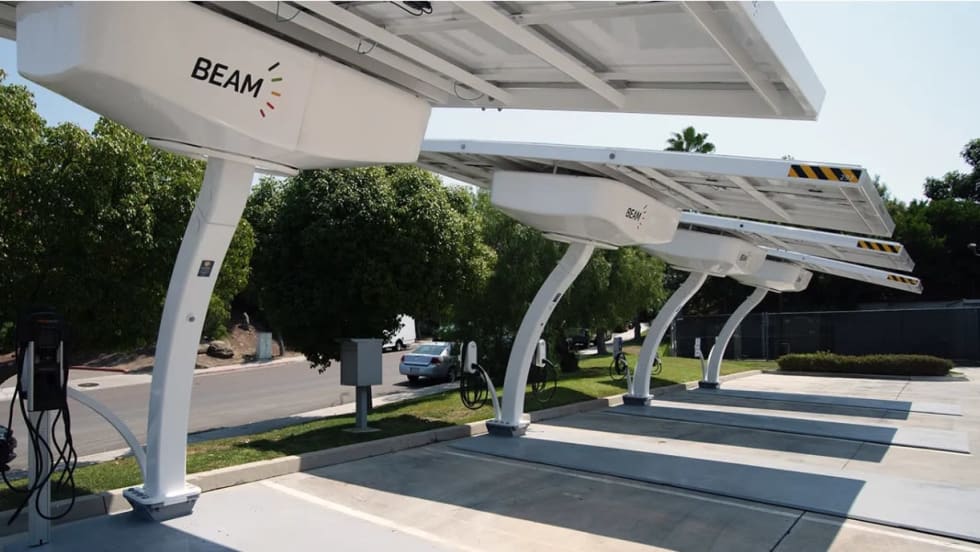
Stanislaus County Deploys Ten Beam Global EV ARC Systems to Support County Fleet Electrification
Stanislaus County deployed 10 off-grid solar-powered EV charging systems and a mobile charging trailer from Beam Global to support its electric fleet operations and emergency response flexibility.
Read More →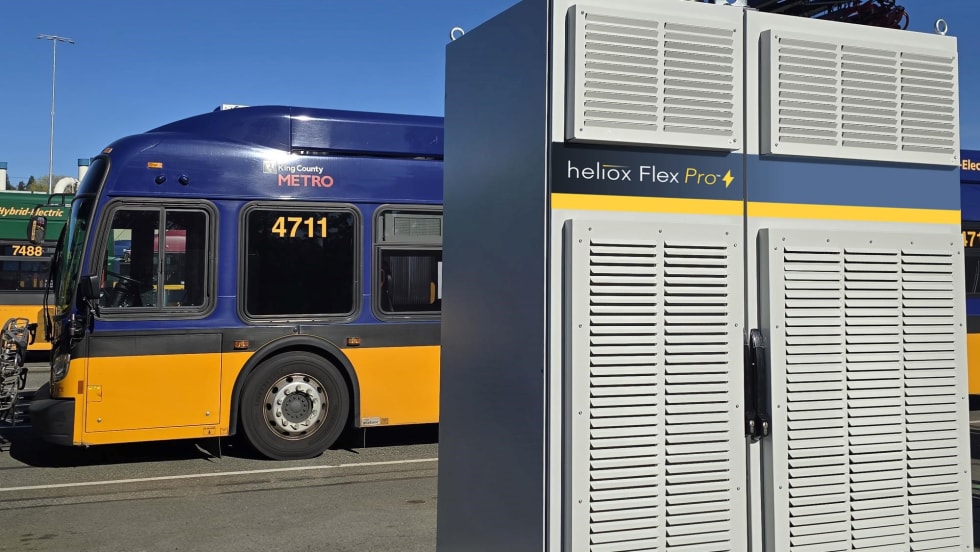
Heliox Pilots 480-kW Bus Charger with King County Metro
King County Metro is piloting Heliox’s new 480-kW Flex Pro charger to support expansion of its battery-electric bus fleet and depot charging infrastructure. The compact charging system supports pantograph and plug-in charging configurations for high-density transit operations.
Read More →