




Police Fleet Mobile Computers Match Vehicle Lifecycles
New mobile data centers (MDCs) for its emergency response vehicles have allowed the City of Oceanside, Calif., to match computer lifecycle to police vehicles’ six-year lifecycles.
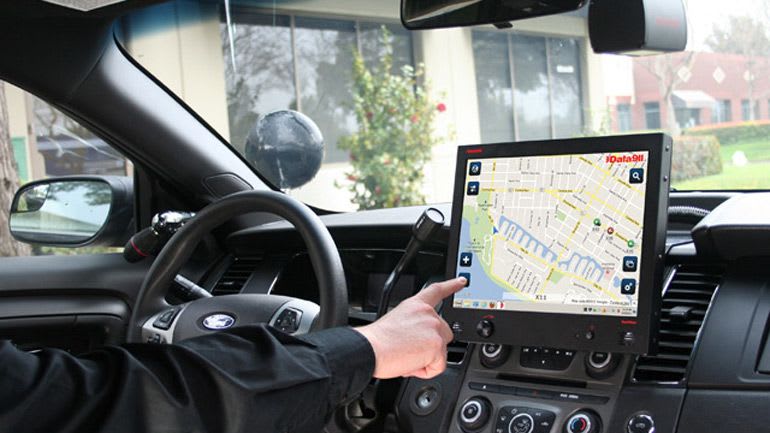
Photo courtesy of Data911
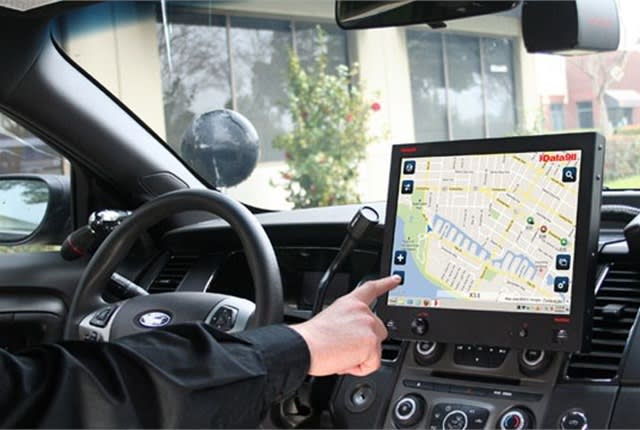
Photo courtesy of Data911
New mobile data centers (MDCs) for its emergency response vehicles have allowed the City of Oceanside, Calif., to match computer lifecycle to police vehicles’ six-year lifecycles. The Data911 MDCs are now installed in 65 police vehicles and 25 fire department vehicles.
The city previously used rugged laptops that frequently failed, or had short lifespans that resulted in replacement and repair costs. A downed system also inhibits first responders’ ability to respond to emergencies. The city began searching for a more reliable system, with IT, fleet, and the Police and Fire departments working together to test various computer types before installing the Data 911 MDCs in 2005.
Ten years after initial purchase, city employees explained why they chose the system and why they’re still using it.
Fleet’s main concern was the previous system only lasted four years, which was shorter than patrol vehicle life cycle. Jeff Hart, Oceanside's fleet supervisor & manager, said that the new MDCs get at least five to seven years, which is the life span of the patrol vehicles.
The Information Technology department, which ensures all network, computers, and technology is up and running, commented on the reliability of the systems and the ease of swapping out components if needed. Officers like the MDC’s ease of use and lack of complicated controls, while the Fire Department likes the ability to upgrade older units to faster processors without having to buy new equipment.
Data911’s mobile data computers are warrantied for 10 years.
More Police

Ford Pro Introduces Full-Size 2028 Expedition Police Responder
Ford Pro gave law enforcement customers a first look at the pursuit-rated utility during Police Fleet Expo.
Read More →
Paterson Police Expand Drone Fleet, Launch Real-Time Operations Center
The Paterson Police Department has expanded its drone program and opened a new Real-Time Operations Center designed to support emergency response and incident management. The initiative integrates multiple technologies to provide officers with real-time information during investigations and public safety operations.
Read More →
Why Public Fleet Success Depends on More Than the Vehicles
Tim Coxwell of the Leon County Sheriff’s Office discusses the projects shaping his fleet operation, including long-term work around vehicle selection, greenhouse gas emissions, and cost per mile.
Read More →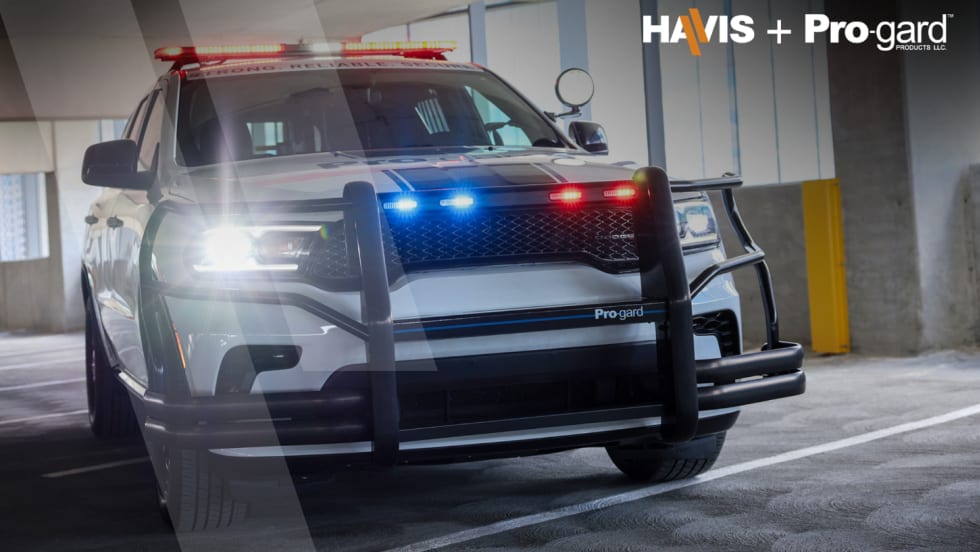
Havis Acquires Pro-gard Products
The acquisition brings together two manufacturers of public safety vehicle equipment under one company. Havis says the move expands its portfolio of products for outfitting law enforcement vehicles and other public safety fleets.
Read More →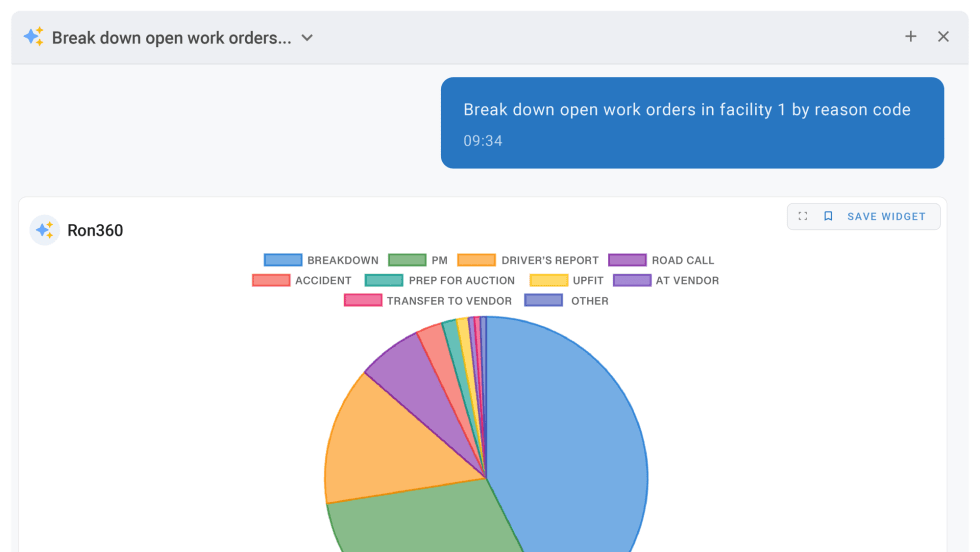
RTA Fleet Introduces AI Assistant for Fleet360 Platform
As artificial intelligence continues to gain traction across public-sector operations, fleet software providers are finding new ways to incorporate the technology into everyday workflows. RTA's latest addition aims to simplify how users interact with fleet data.
Read More →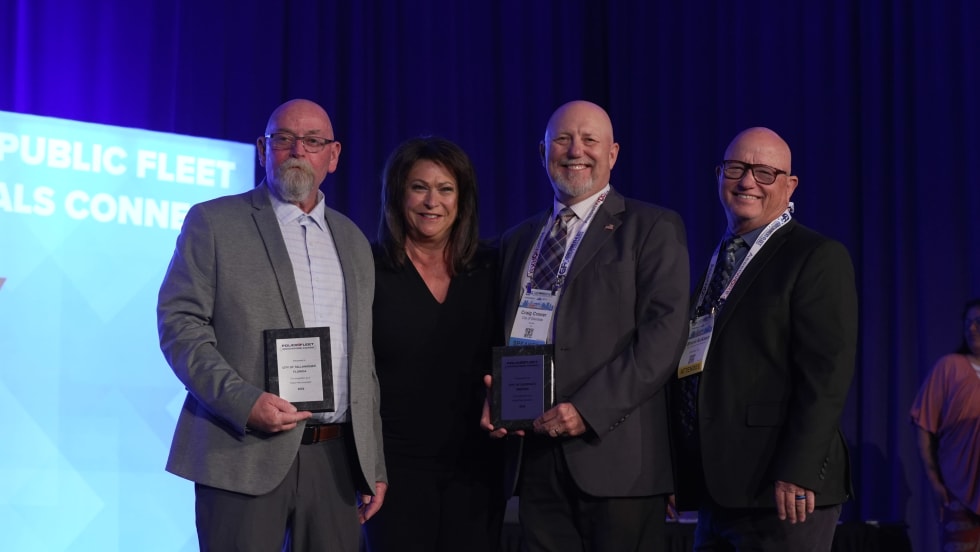
2026 Police Fleet Innovators Named
Meet the professionals finding new ways to solve some of law enforcement's toughest fleet challenges.
Read More →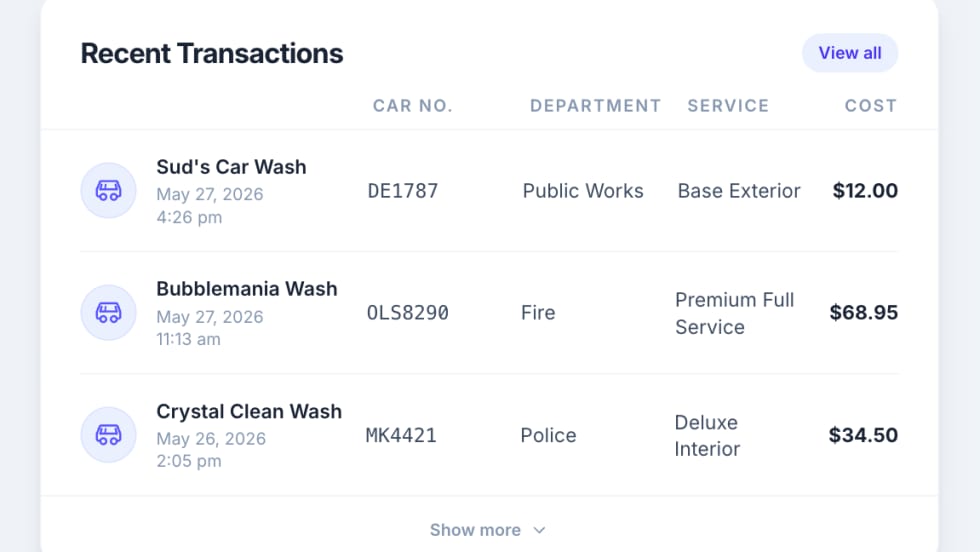
Rynse Expands Nationwide Fleet Wash Access for Law Enforcement
The North Carolina Sheriff’s Association Contract Cooperative purchasing contract aims to streamline procurement process for law enforcement agencies across the U.S.
Read More →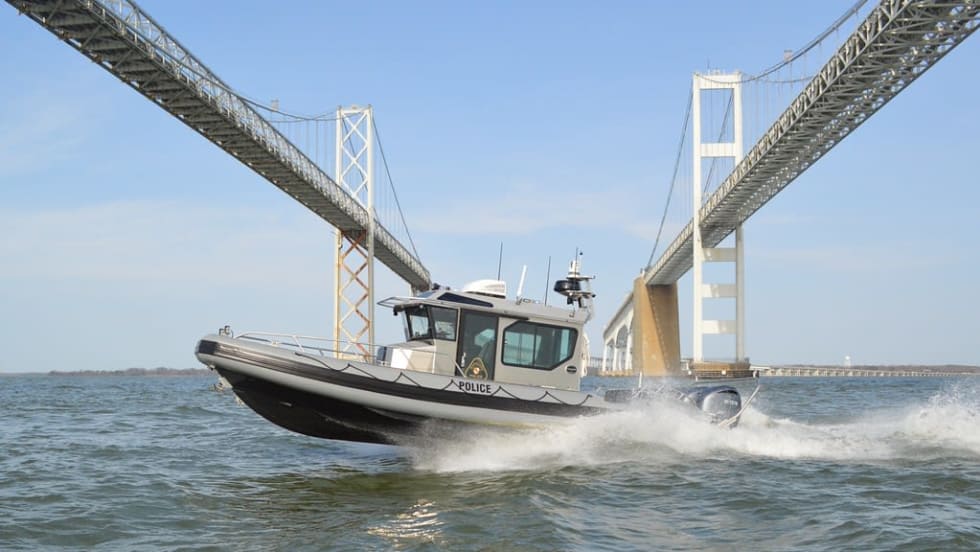
Maryland Natural Resources Police Adds 31-Foot Patrol Boat to Enforcement Fleet
A new addition to Maryland’s marine enforcement fleet is bringing expanded capabilities to Chesapeake Bay operations while honoring a legacy within the agency. The high-performance patrol vessel reflects how law enforcement fleets are adapting to growing demands on the water.
Read More →
LEHR Expands Florida Presence With Enforcement One Acquisition
LEHR has acquired Florida-based emergency vehicle upfitter Enforcement One, marking its eighth add-on acquisition.
Read More →
Maryland’s Wicomico County Sheriff Adds Mustang GT Patrol Vehicles
The agency is also working with the Maryland Police Training Commission on a specialized high-performance driving course for deputies assigned to the vehicles.
Read More →