




PERC Expands Nozzle Incentive
Effective immediately, private fleets and public refueling stations are eligible to apply for the incentive program, which will now provide $100 per tank-side connector and $1,000 per hose-end connector.
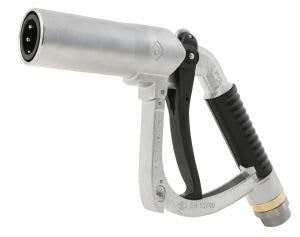
Initially launched in November 2015, the incentive program had only been available to propane retailers, but expanded for fleets looking to replace their current refueling technology until the end of June 2017. (Photo: CleanFuels USA)
The Propane Education & Research Council (PERC) is expanding its Quick-Connect Nozzle Incentive Program availability to fleets and doubling the incentive amounts for applicants. Effective immediately, private fleets and public refueling stations are eligible to apply for the incentive program, which will now provide $100 per tank-side connector and $1,000 per hose-end connector.
“The quick-connect nozzles allow for an easier refueling experience for operators and significantly reduce fugitive emissions, too,” said Greg Kerr, director of research and development for PERC. “We’re excited to expand this incentive program to those who benefit most from this newer nozzle technology: fleet owners and operators.”
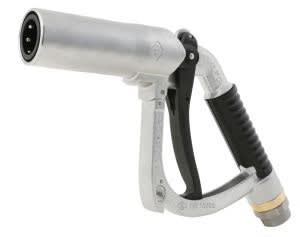
Initially launched in November 2015, the incentive program had only been available to propane retailers, but expanded for fleets looking to replace their current refueling technology until the end of June 2017. (Photo: CleanFuels USA)
Initially launched in November 2015, the incentive program had only been available to propane retailers. The new double incentives of $100 per tank-side connector and $1,000 per hose-end connector will continue to be available to propane retailers, but expanded for fleets looking to replace their current refueling technology until the end of June 2017.
Unlike older nozzle designs, quick-connect nozzles can be operated with one hand and do not require the user to wear protective eyewear or gloves, making the experience much like a conventional fuel nozzle.
Begin the application process by completing the online form at propanecouncil.org.
More Green Fleet
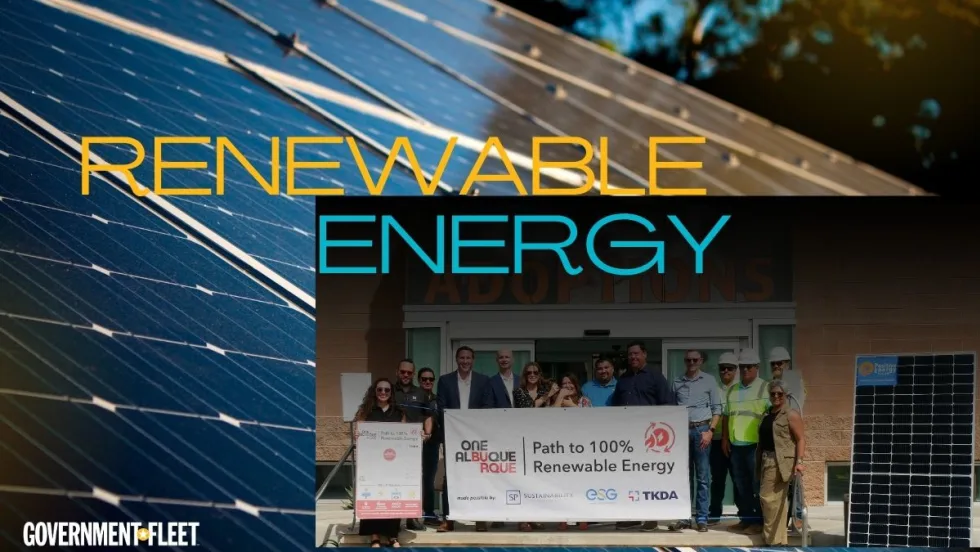
Sustainability Partners, Energy Systems Group Help Albuquerque Close the Gap on its 100% Renewable Energy Goal
The eight-site, 6 MW solar project has advanced the city toward 100% renewable energy for municipal operations.
Read More →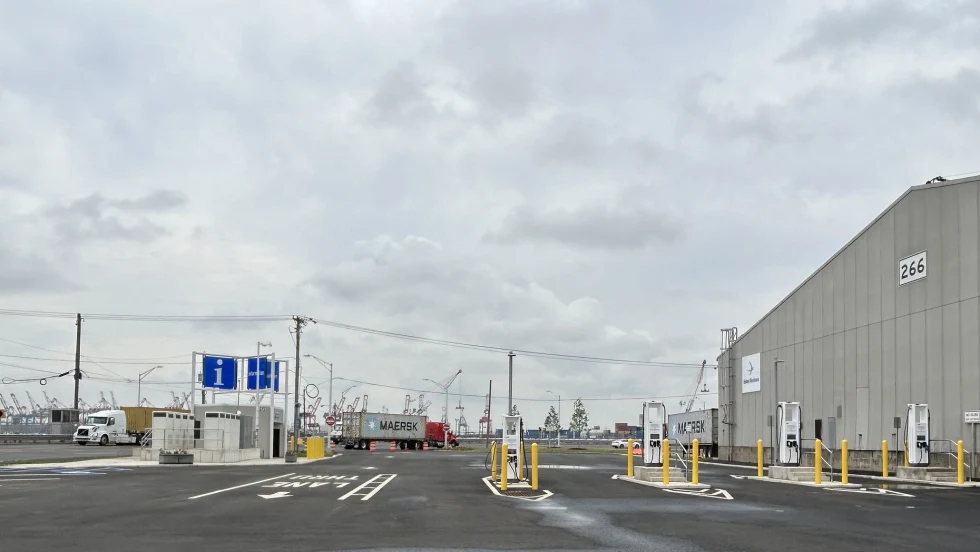
Port Authority and CALSTART Launch $45 Million Electric Truck and Charging Programs
The programs aim to boost sustainable operations across the East Coast's busiest seaport.
Read More →
Moving Government Fleets Beyond the Vehicle Purchase: EV as a Service
A discussion on how EVaaS is moving beyond pilot programs and what fleets should consider before beginning a larger deployment.
Read More →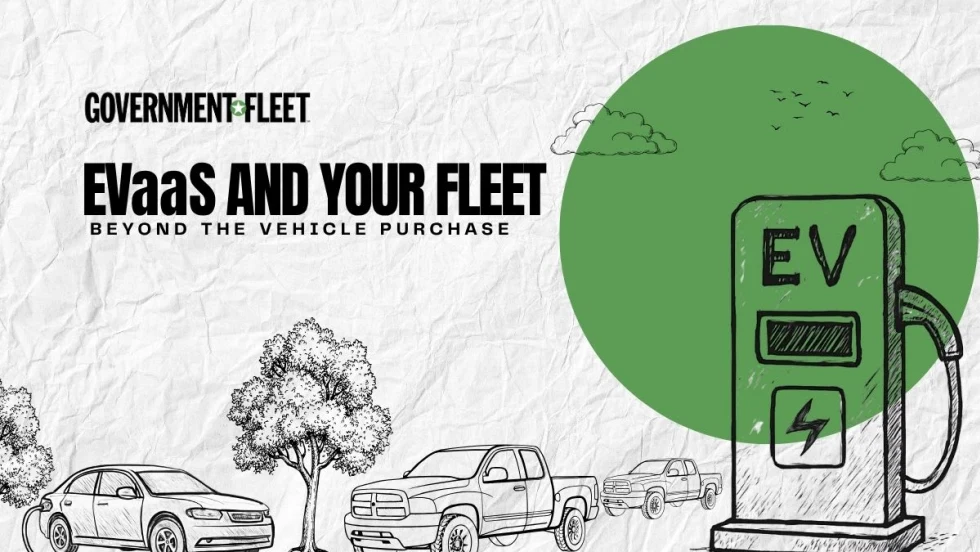
Moving Government Fleets Beyond the Vehicle Purchase: EV as a Service
As fleets move beyond small EV pilots, Sustainability Partners CEO Adam Cain explains how EVaaS can address the infrastructure and long-term planning required for larger deployments.
Read More →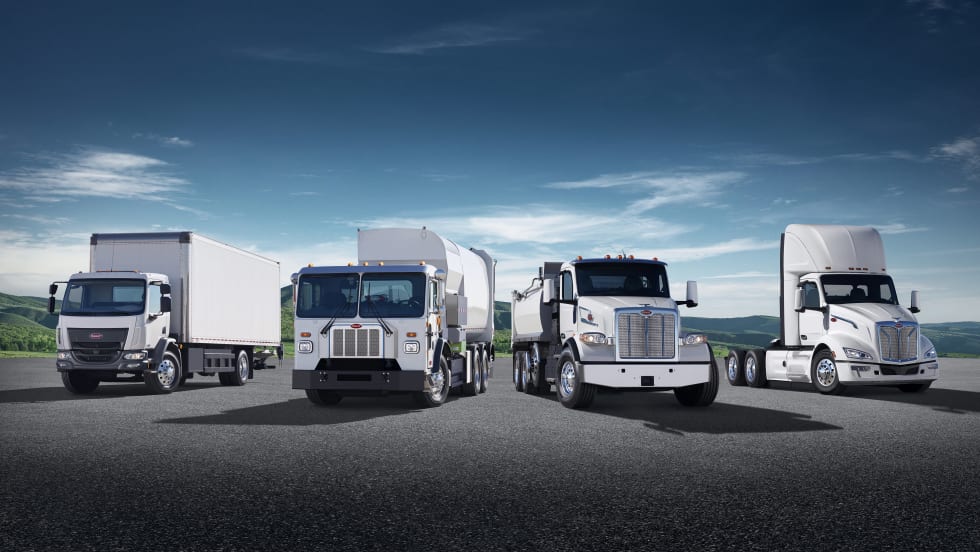
Peterbilt Expands Sourcewell Partnership with Electric Vehicle Lineup
The agreement aims to provide streamlined procurement of Peterbilt trucks for government, education, nonprofit and tribal organizations across the United States and Canada.
Read More →
EV Adoption & Charging Challenges
Where is your fleet in the journey of vehicle electrification? If you're still looking for answers to fleet electrification you've come to the right place.
Read More →
Hawaii Passes Clean Fuel Policy
Hawaii lawmakers passed clean fuel legislation that could support renewable natural gas production, biogas-powered transportation, and lower-carbon fueling options for public and commercial fleets.
Read More →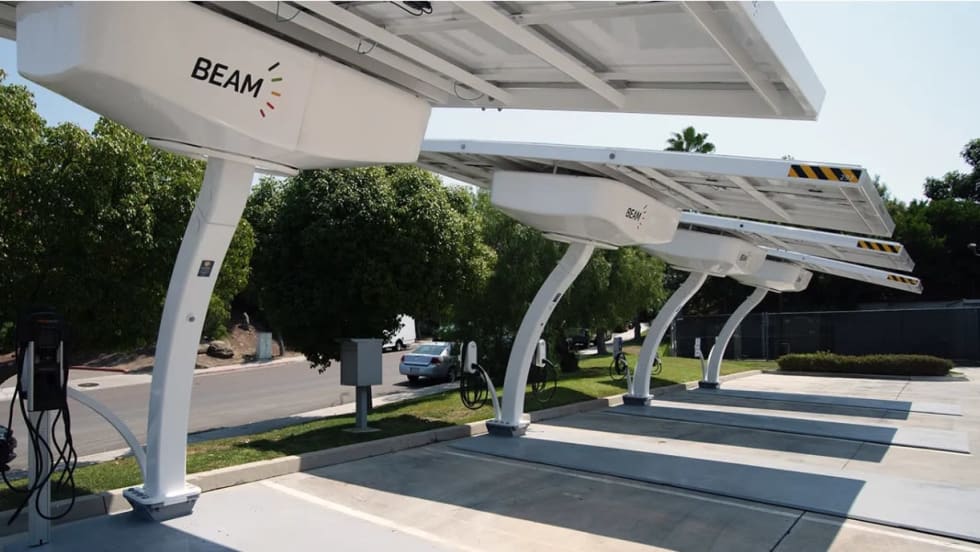
Stanislaus County Deploys Ten Beam Global EV ARC Systems to Support County Fleet Electrification
Stanislaus County deployed 10 off-grid solar-powered EV charging systems and a mobile charging trailer from Beam Global to support its electric fleet operations and emergency response flexibility.
Read More →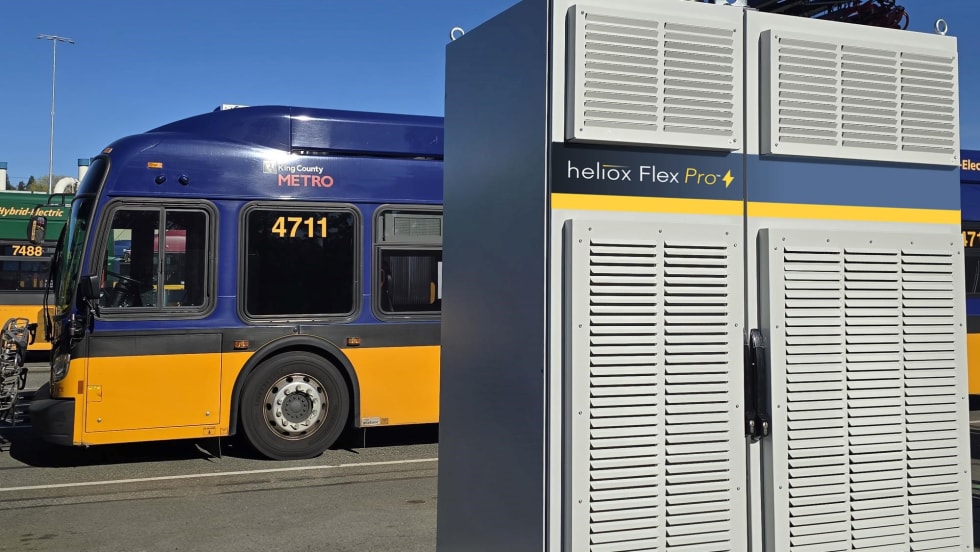
Heliox Pilots 480-kW Bus Charger with King County Metro
King County Metro is piloting Heliox’s new 480-kW Flex Pro charger to support expansion of its battery-electric bus fleet and depot charging infrastructure. The compact charging system supports pantograph and plug-in charging configurations for high-density transit operations.
Read More →