




Pa. Lawmakers Cut Back on State Vehicle Use
HARRISBURG, PA – Expecting public scrutiny of all their perks, Pennsylvania legislators have eschewed the chance to drive state cars, according to Philly.com.
HARRISBURG, PA – Expecting public scrutiny of all their perks, Pennsylvania legislators have eschewed the chance to drive state cars in greater numbers than at any point in recent memory. An even 100 state House and Senate members now have taxpayer-subsidized vehicles — a figure nearly half of what it was 16 years ago, according to Philly.com.
Freshmen lawmakers are fueling the continued drop-off this term. All but six of the 34 representatives and senators first elected in November are driving their own cars.
"The taxpayers shouldn't be burdened with this, especially in these tough economic times," Rep. Frank Farry (R., Bucks) said recently, reported Philly.com.
State cars are among a list of pricey and controversial legislative perks.
Pennsylvania and California are the only states that offer all their state lawmakers access to subsidized cars. But the rules have changed in the Keystone State in recent years.
After the 2005 pay-raise debacle, the Senate and later the House began phasing out a decades-old policy that allowed legislators to lease vehicles from private dealerships at public expense. The House had covered up to $650 a month; the Senate, $600. As a result, Capitol parking lots for years were loaded with Lincolns and Cadillacs.
Now, however, lawmakers have to drive their own cars and bill the state for mileage or pick a vehicle from the government-owned fleet program. Fleet vehicles are typically base models with few frills.
Legislators pay a portion of the lease cost based on the amount of personal driving they do.
One lawmaker said that when factoring in the many miles these officials drive, the fleet program is cheaper than the alternative: billing the state 55 cents for each work-related mile put on a personal car.
However, not all legislators who drive their own cars bill for all mileage, according to Philly.com.
More Operations
Is Keeping Older Fleet Vehicles Really Saving Money?
Is keeping vehicles longer saving money, and what happens when a diagnostic test points to the wrong fix?
Read More →
How Smart Fleet Strategy Can Help Local Government Agencies Do More with Less
Keeping a vehicle longer may ease this year’s budget, but what does it cost the next one? A closer look at fleet decisions can reveal opportunities to reduce spending while protecting essential services.
Read More →
Connect with Government Fleet on LinkedIn
From industry news and fleet management strategies to conversations with peers, Government Fleet's LinkedIn page offers public-sector fleet professionals another way to stay informed and connected.
Read More →
Town of Queen Creek Named Most Successful Fleet Award Winner of Inaugural RTA Fleet Success Awards
Five fleets were honored at RTA Connect 2026 in Chicago for excellence across resource efficiency, intentional culture, risk management, and stakeholder satisfaction.
Read More →
A buyer's guide to fleet management software in 2027
Buying fleet management software in 2027 means looking beyond features and price. As fleet operations, technology and expectations evolve, this guide explores what today’s fleet professionals should consider when choosing a system that can deliver value now and adapt to what comes next.
Read More →
Hazard Alerts, Fleet Car Sales Rise and a New Shuttle Concept
Fleet car sales doubled, but the bigger picture tells a different story in this week’s roundup.
Read More →
How St. Johns County Turned Fleet Data Into Better Replacement Decisions
St. Johns County, Florida, had fleet data, but turning it into reliable decision guidance was another matter. Instead of starting over with a new fleet management system, the county connected existing tools and built a scoring system that gives managers an objective look at fleet health.
Read More →
Fleet Forward Conference Introduces One-Day Passes for 2026
New one-day registration lets fleet professionals attend Tuesday, Wednesday, or Thursday, with passes available for $249.
Read More →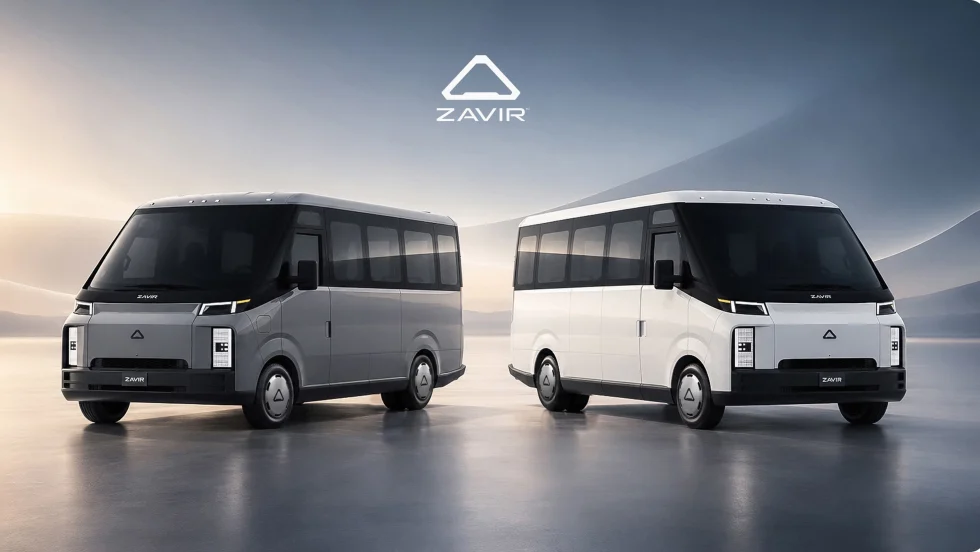
ENC Unveils its ZAVIR Medium-Duty Shuttle
Two variants of the concept shuttles were revealed: a low-floor configuration and a high-floor configuration.
Read More →
Could Your Next Fleet Technician Start as an Intern?
What if your next technician hasn’t worked in a fleet shop yet? What fleets are doing to free up time.
Read More →