




Pa. Gov. Rendell Administration Touts Cuts to State Vehicle Fleet
HARRISBURG, PA – Shrinking the state-government vehicle fleet has generated nearly $40 million in actual and projected savings and eliminated 228 sport/utility vehicles, including nine that were used by cabinet secretaries, according to the Department of General Services, reported the Associated Press.
HARRISBURG, PA – Shrinking the state-government vehicle fleet has generated nearly $40 million in actual and projected savings and eliminated 228 sport/utility vehicles, including nine that were used by cabinet secretaries, according to the Department of General Services, reported the Associated Press. The initiative, pushed by Gov. Ed Rendell since he took office in 2003, has cut the number of vehicles under his control by 705 to 11,724, a drop of 5.7 percent. Those numbers exclude the Department of Transportation, which participated separately in the cost-cutting initiative. The administration also is keeping vehicles longer – passenger cars are not sold until the odometer reads 80,000 miles instead of the previous threshold of 65,000 miles. Replacing sport/utility vehicles with sedans has led to lower maintenance and fuel costs, and the state collected about $1.7 million by auctioning off the unneeded vehicles. More reductions could be on the way as the administration considers whether it would be economically beneficial to keep vehicles until they have 90,000 or 100,000 miles, said David P. Yarkin, General Services deputy secretary for procurement. Rendell ordered each department to eliminate 5 percent of its fleet and 20 percent of its SUVs. The number of non-PennDOT SUVs is now 1,050, down from 1,278 in 2004. The General Services savings estimate comprises $24.9 million in lower purchase costs over the last two years from keeping vehicles longer and $1.7 million from auctioning the eliminated vehicles. The remaining $13 million in savings will be realized over five years – the life span of the average state vehicle – by having 705 fewer vehicles to buy, maintain and fuel. PennDOT currently maintains a 7,790-piece equipment inventory that includes 292 SUVs, 492 sedans, 2,293 dump trucks, and 132 forklifts. PennDOT's equipment inventory is 5 percent smaller than it was two years ago; its SUV fleet is 17 percent smaller, the department said.
More Operations
How Government Fleets Are Turning Connected Vehicle Data Into Practical Decisions
Public sector fleets are using connected technology to improve visibility, but the bigger challenge is building the processes to act on the information it provides.
Read More →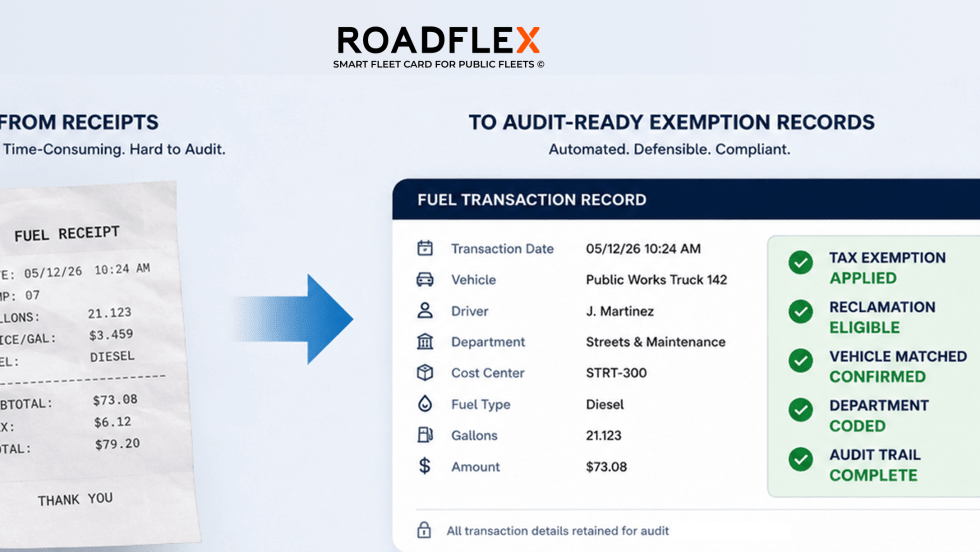
RoadFlex Brings Fuel Tax Compliance and Audit-Ready Reporting to Government, Public Works Fleets
New capabilities aim to help public-sector and public works fleets streamline fuel tax exemptions, reclamation, reconciliation, and audit-ready reporting.
Read More →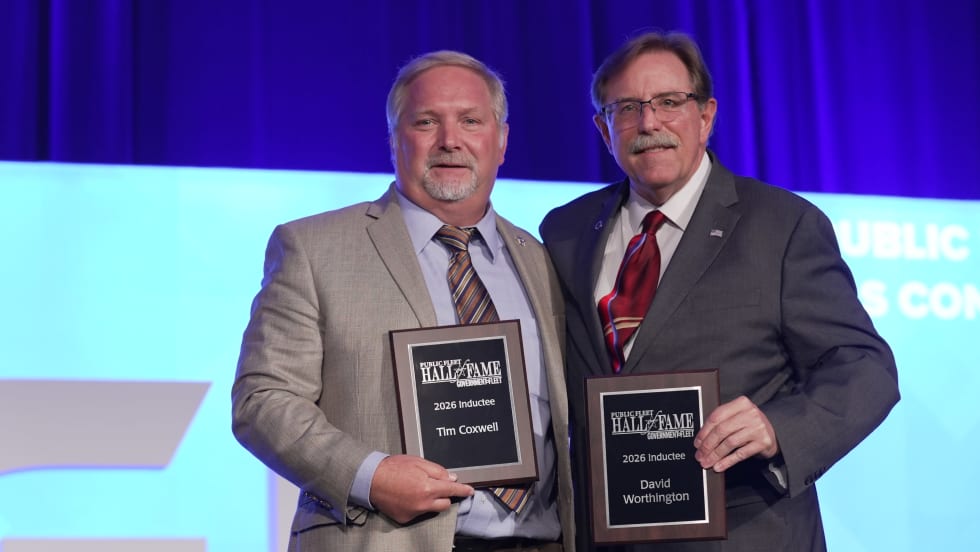
2026 Public Fleet Hall of Fame Inductees Honored
This year's class includes leaders whose work has helped shape the public fleet industry.
Read More →
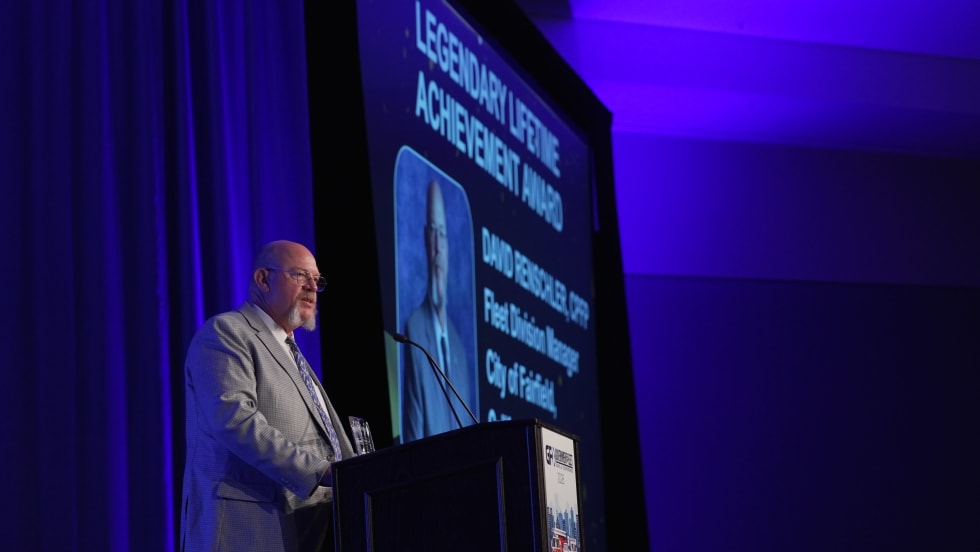
David Renschler Receives 2026 Legendary Lifetime Achievement Award
Andy Campbell of Sourcewell, which partnered with Government Fleet in presenting the award, recognized Renschler.
Read More →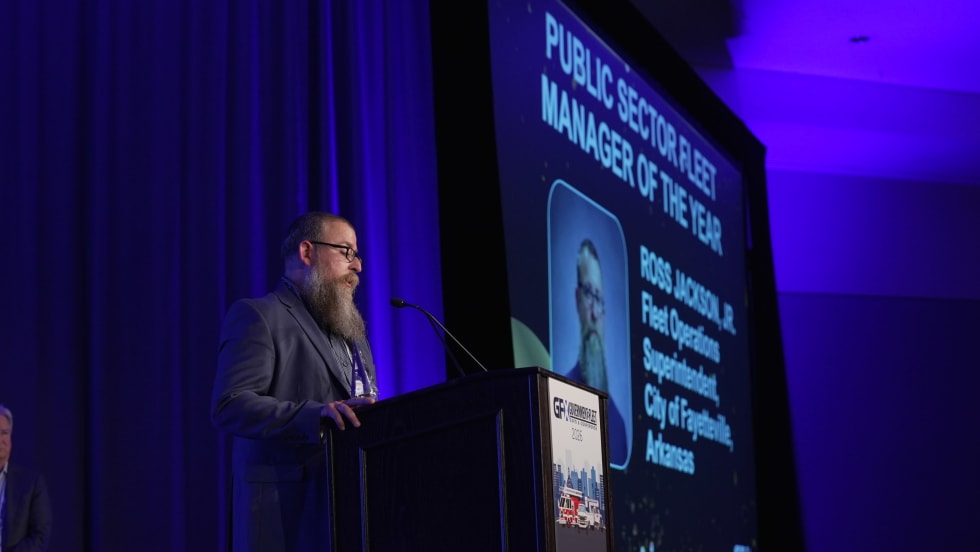
Ross Jackson Jr. Named 2026 Public Sector Fleet Manager of the Year
His leadership, innovation, and commitment to excellence earned him one of the industry's top honors.
Read More →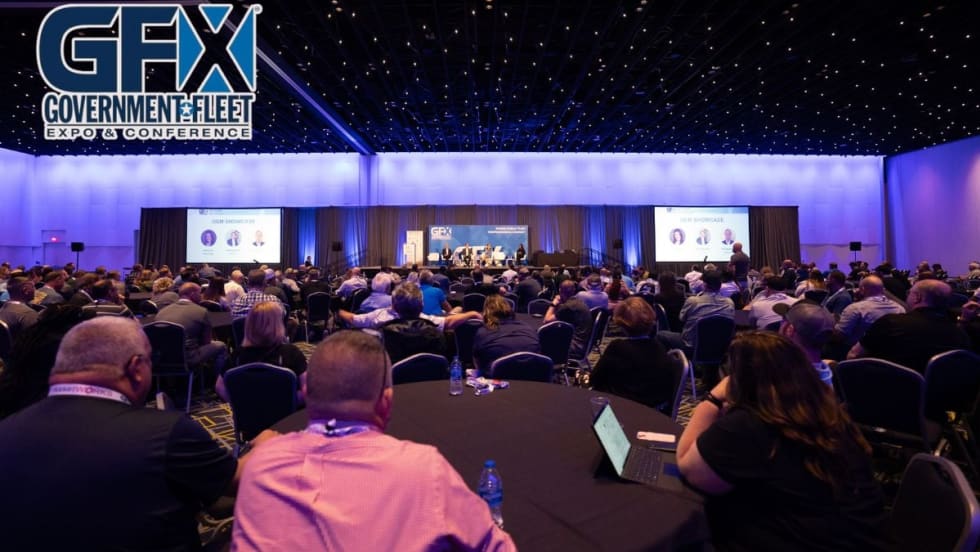
Public Fleet Professionals Set to Converge as GFX Gets Underway
Known as the largest gathering of public fleet professionals in the nation, GFX will feature in-depth training sessions, emerging fleet technologies, and access to leading suppliers and service providers.
Read More →
The Technician Pipeline: Finding, Keeping, and Promoting Techs Within the Operation
A look at where to find good talent, what fleets are doing to incentivize those techs to stay within the fleet, and what promotion looks like for a technician within the public sector.
Read More →
5 Public Fleet Stories Worth Revisiting Before GFX | The May Dispatch
Public fleet leaders are being asked to prepare for more, communicate better, and make decisions that hold up under pressure.
Read More →
Drive More Profit with Greater Fleet Uptime
Fleet downtime costs money. JASPER helps keep vehicles on the road with quality remanufactured components, fast nationwide delivery, and reliable solutions that boost uptime and profitability.
Read More →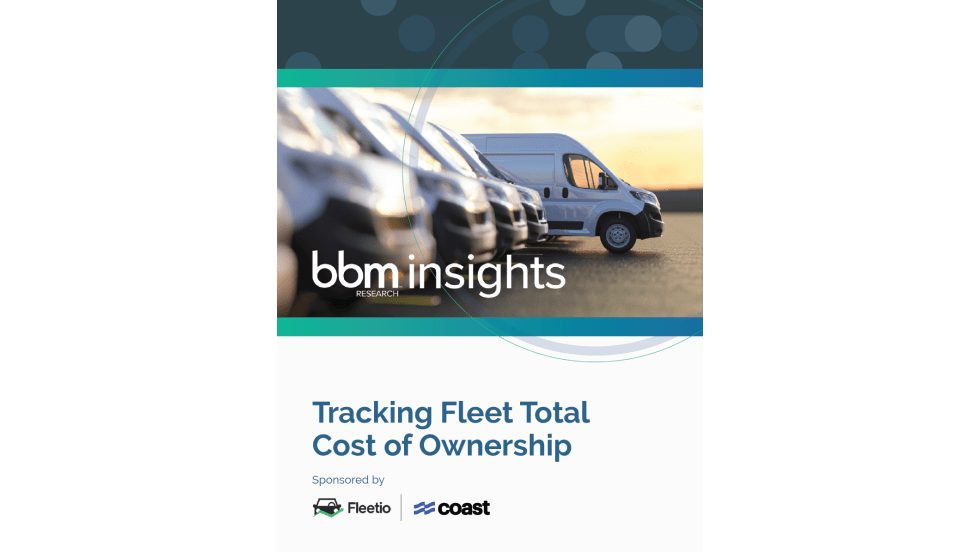
Are You Tracking Your Fleet's True Total Cost of Ownership?
Bobit Business Media surveyed 190 fleet professionals and found that while most fleets are tracking costs, fragmented systems and data gaps are keeping true TCO visibility out of reach. With rising pressure to control spend in an increasingly volatile environment, the gap between what fleets think they know and what the data actually shows is wider than you might expect. See how your peers are managing costs today and where the industry still has room to improve.
Read More →