





Navigating 2024: Key Considerations for Public Sector Fleets Based on Industry Trends
Oklahoma Receives First Made-in-State EVs
The state received the first three electric vehicles from Canoo as an innovative part of the state’s ongoing fleet modernization initiative.
January 4, 2024
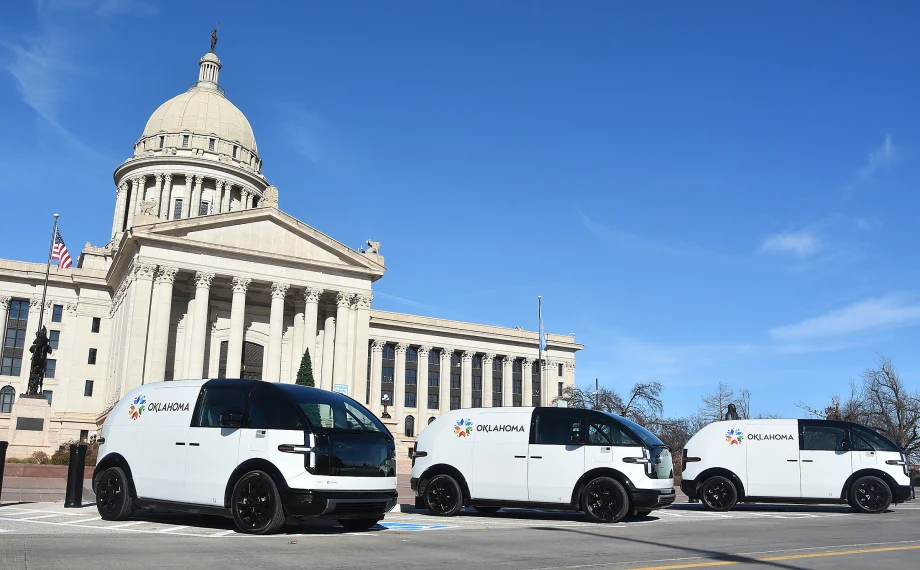
As the three Canoo LDVs are integrated into the government fleet pool, state leaders will continue to evaluate how the vehicles can best support agency missions and citizen services going forward.
Photo: State of Oklahoma
3 min to read
The state of Oklahoma has received its first three made-in-state electric vehicles from Canoo as a part of the state’s ongoing fleet modernization initiative. At a combined cost of $119,850, these three Lifestyle Delivery Vehicles (LDVs) are the first of their kind in the state fleet, with one each assigned to the Office of Management and Enterprise Services, the Department of Transportation and the Department of Corrections.
“For the first time in 17 years, vehicle manufacturing is back in Oklahoma,” said Oklahoma Gov. J. Kevin Stitt. “As we find new efficiencies within the fleet, Canoo’s new Oklahoma-made electric vehicles align perfectly with our fleet modernization goals, and I couldn’t be more excited to see them on the roads. I’m grateful for the team at OMES who are working hard to deliver taxpayers more for their money while finding ambitious new ways to improve our fleet.”
Fleet Modernization Among Top Initiatives to Realize Efficiencies Across the State
Following the executive order, OMES Fleet Management has worked closely with agencies to identify underutilized vehicles, downsize the state’s overall fleet and explore ways to advance central fleet operations. In 2023 alone, agencies have voluntarily turned in a total of 917 vehicles that have been auctioned through State Surplus, saving Oklahoma taxpayers an estimated $11.7 million.
“I am proud of the savings and asset reductions we’ve made so far in our fleet effort,” said John Suter, state chief operating officer and OMES executive director. “This progress positions us well to reinvest that money into future-focused, cost-effective vehicle options that better align with our goals.”
While pushing hard to reduce waste, executive leaders have also sought ways to modernize vehicles within the fleet to drive better value and long-term returns on investment. One of these modernizations includes replacing outdated vehicles that are costly to maintain with environmentally friendly electric vehicles made right here in Oklahoma.
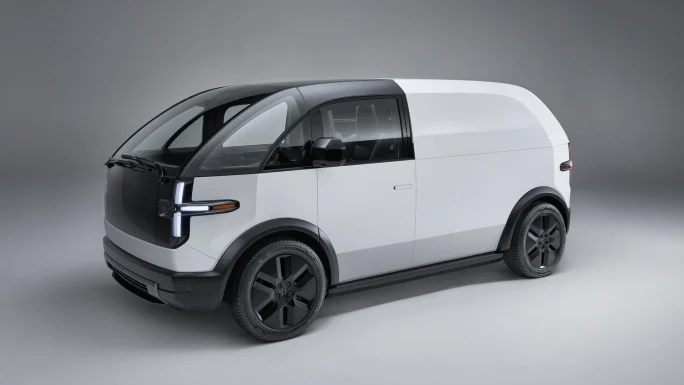
Built on a multi-purpose platform, the vehicles are configurable to help commercial and government fleet customers improve efficiency and cut operating costs.
Photo: Canoo
Oklahoma's Ongoing State Fleet Modernization Initiative
The fleet modernization initiative has three primary objectives:
Place all state agencies onto a central fleet management system by the end of calendar year 2023
Implement geo-tracking technology on all vehicles
Identify underutilized vehicles and reduce the statewide fleet
On July 21, 2023, the state reported that, at the time, agencies had turned in a total of 572 underutilized vehicles, saving Oklahoma taxpayers an estimated $5.15 million. The state also reported that 3,200 out of 10,500 vehicles statewide were installed with Geotab trackers.
The State of Oklahoma has 10,800 vehicles in its fleet. An annual evaluation of state assets determined that 7,955 vehicles are driven less than 12,000 miles per year and are considered underutilized.
The LDVs delivered to Oklahoma are the first commercial motor vehicles built in-state since 2006 and the first to come out of Canoo’s new assembly facility in Oklahoma City. The company also has a battery module manufacturing plant in Pryor, Oklahoma.
As the three Canoo LDVs are integrated into the government fleet pool, state leaders will continue to evaluate how the vehicles can best support agency missions and citizen services going forward.
More Green Fleet
Sustainability Partners, Energy Systems Group Help Albuquerque Close the Gap on its 100% Renewable Energy Goal
The eight-site, 6 MW solar project has advanced the city toward 100% renewable energy for municipal operations.
Read More →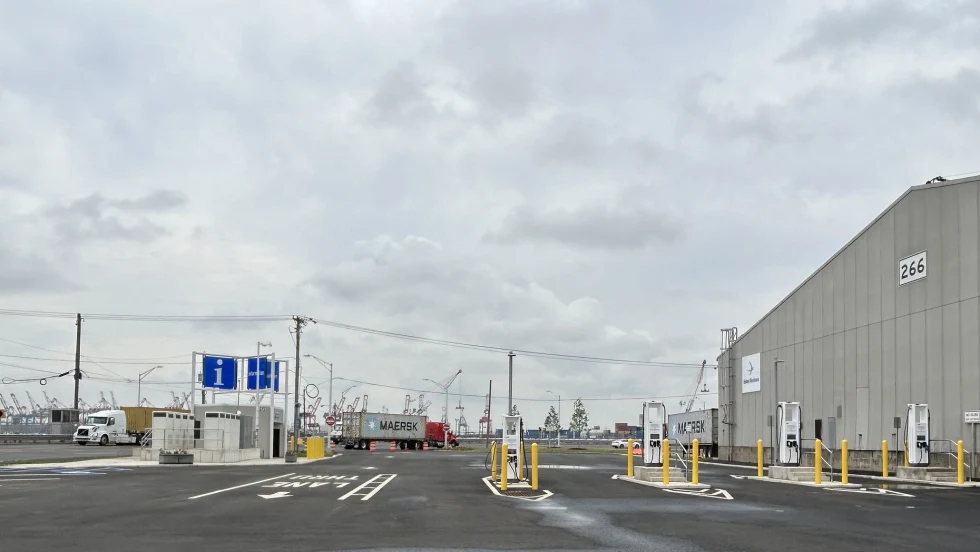
Port Authority and CALSTART Launch $45 Million Electric Truck and Charging Programs
The programs aim to boost sustainable operations across the East Coast's busiest seaport.
Read More →
Moving Government Fleets Beyond the Vehicle Purchase: EV as a Service
A discussion on how EVaaS is moving beyond pilot programs and what fleets should consider before beginning a larger deployment.
Read More →
Moving Government Fleets Beyond the Vehicle Purchase: EV as a Service
As fleets move beyond small EV pilots, Sustainability Partners CEO Adam Cain explains how EVaaS can address the infrastructure and long-term planning required for larger deployments.
Read More →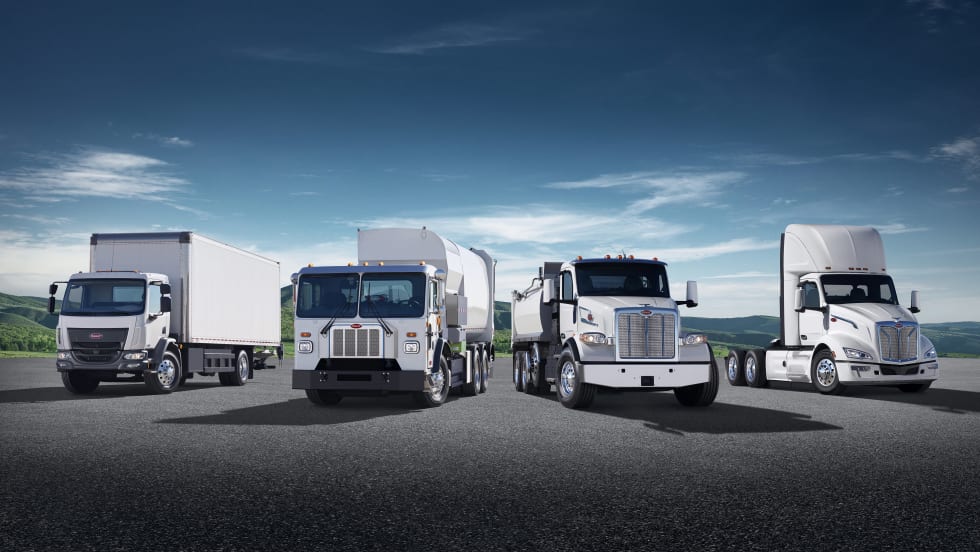
Peterbilt Expands Sourcewell Partnership with Electric Vehicle Lineup
The agreement aims to provide streamlined procurement of Peterbilt trucks for government, education, nonprofit and tribal organizations across the United States and Canada.
Read More →
EV Adoption & Charging Challenges
Where is your fleet in the journey of vehicle electrification? If you're still looking for answers to fleet electrification you've come to the right place.
Read More →
Hawaii Passes Clean Fuel Policy
Hawaii lawmakers passed clean fuel legislation that could support renewable natural gas production, biogas-powered transportation, and lower-carbon fueling options for public and commercial fleets.
Read More →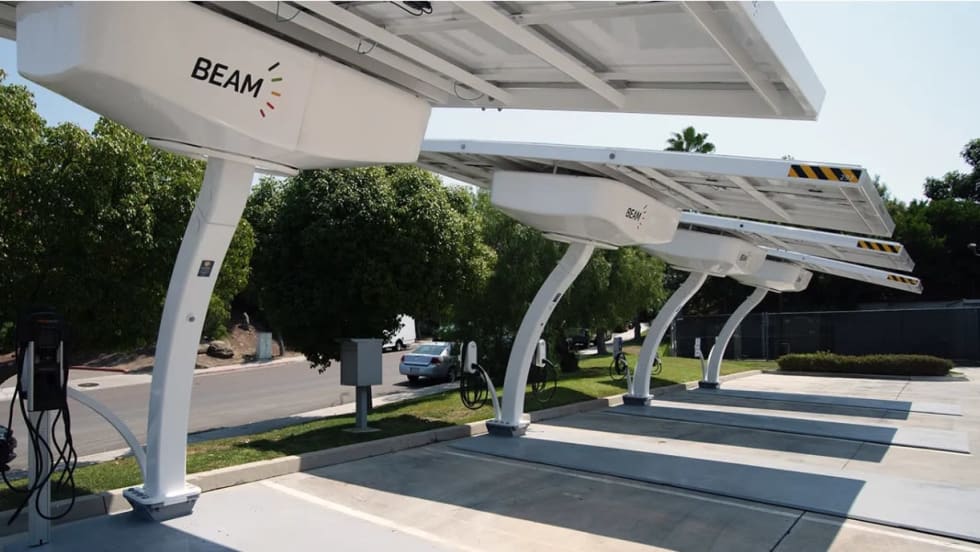
Stanislaus County Deploys Ten Beam Global EV ARC Systems to Support County Fleet Electrification
Stanislaus County deployed 10 off-grid solar-powered EV charging systems and a mobile charging trailer from Beam Global to support its electric fleet operations and emergency response flexibility.
Read More →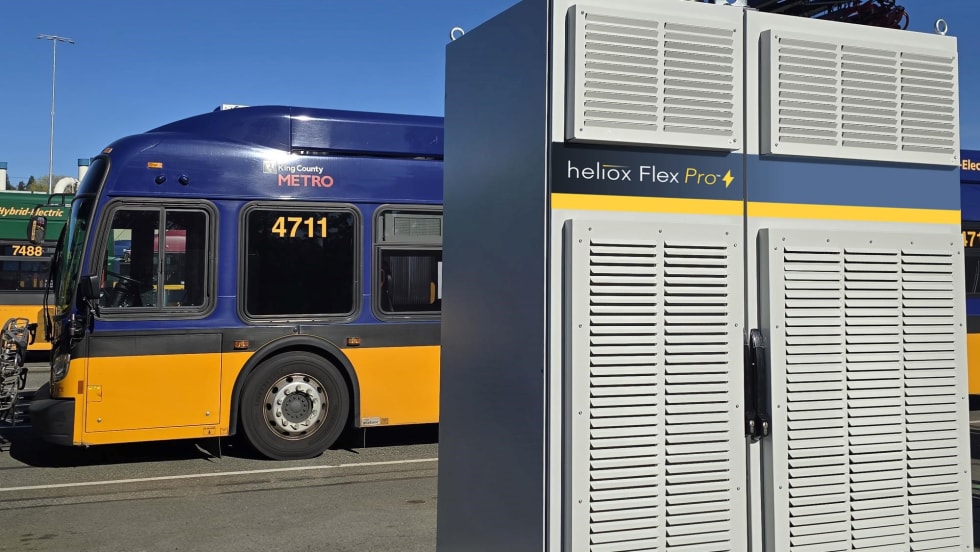
Heliox Pilots 480-kW Bus Charger with King County Metro
King County Metro is piloting Heliox’s new 480-kW Flex Pro charger to support expansion of its battery-electric bus fleet and depot charging infrastructure. The compact charging system supports pantograph and plug-in charging configurations for high-density transit operations.
Read More →