




Niagara County Bids for Mobile Defense Vehicle
TONAWANDA, N.Y. – NiagaraCounty is joining forces with its partners in Erie County in a bid to secure additional Homeland Security money from New York State.
TONAWANDA, N.Y. – Niagara County is joining forces with its partners in Erie County in a bid to secure additional Homeland Security money from New York State, according to Tonawanda News.
County Manager Gregory Lewis announced plans during a biweekly press conference to ask the New York State Office of Homeland Security to release $670,500 so that law enforcement agencies in Niagara and Erie counties can purchase additional equipment.
Lewis would like to use Niagara’s portion of the revenue, which is currently being held in a state discretionary fund, to buy a new $240,000 response and rescue vehicle for the Niagara County Sheriff’s Department. The specially equipped mobile unit would be used in response to emergencies or acts of terrorism involving chemical, biological, radiological, or nuclear threats.
Niagara County’s partners in the request — Erie County and the City of Buffalo — are hoping to use their share of the money ($430,500) to build a countywide radio system that could be used by all first responders in their area.
Federal homeland security rules allow states like New York to withhold a portion of the revenue owed to various counties for security purchases. In this case, Lewis said, the state has withheld 20 percent of the federal money dedicated to Niagara and Erie counties who are partners in one of 46 specially designated homeland security regions known as Urban Area Security Initiative areas. Lewis said all three communities are hoping to hear a response to their request from the state Homeland Security Office next month, according to Tonawanda News.
More Operations
Town of Queen Creek Named Most Successful Fleet Award Winner of Inaugural RTA Fleet Success Awards
Five fleets were honored at RTA Connect 2026 in Chicago for excellence across resource efficiency, intentional culture, risk management, and stakeholder satisfaction.
Read More →
A buyer's guide to fleet management software in 2027
Buying fleet management software in 2027 means looking beyond features and price. As fleet operations, technology and expectations evolve, this guide explores what today’s fleet professionals should consider when choosing a system that can deliver value now and adapt to what comes next.
Read More →
Hazard Alerts, Fleet Car Sales Rise and a New Shuttle Concept
Fleet car sales doubled, but the bigger picture tells a different story in this week’s roundup.
Read More →
How St. Johns County Turned Fleet Data Into Better Replacement Decisions
St. Johns County, Florida, had fleet data, but turning it into reliable decision guidance was another matter. Instead of starting over with a new fleet management system, the county connected existing tools and built a scoring system that gives managers an objective look at fleet health.
Read More →
Fleet Forward Conference Introduces One-Day Passes for 2026
New one-day registration lets fleet professionals attend Tuesday, Wednesday, or Thursday, with passes available for $249.
Read More →
ENC Unveils its ZAVIR Medium-Duty Shuttle
Two variants of the concept shuttles were revealed: a low-floor configuration and a high-floor configuration.
Read More →
Could Your Next Fleet Technician Start as an Intern?
What if your next technician hasn’t worked in a fleet shop yet? What fleets are doing to free up time.
Read More →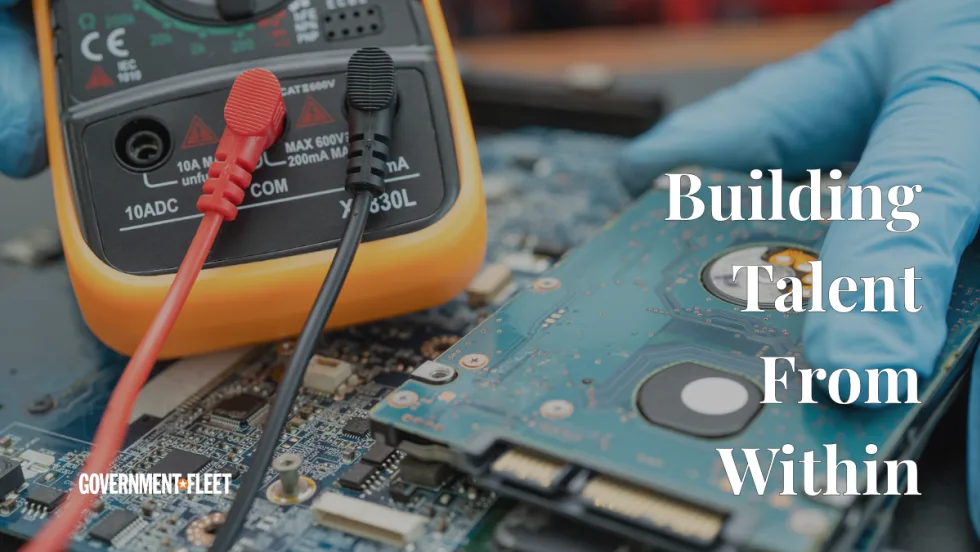
How Phoenix Is Building Its Next Generation of Fleet Technicians
With more than 8,000 vehicles and pieces of equipment to maintain, the City of Phoenix could not afford to wait for fully trained technicians to walk through the door. Instead, they revamped their entire workforce strategy and showed how public fleets can create their own talent pipeline while preparing existing employees for increasingly complex vehicles.
Read More →
What’s Slowing Your Fleet Down?
Could a change in how work gets done help your fleet return vehicles to service sooner?
Read More →
Can Public Fleets Trust the Data Driving Their Decisions?
Public fleets have more data than ever, but inconsistent records and missing information can still undermine maintenance, replacement, and cost decisions.
Read More →