





Related: How New York City Embraces Mobility
New York City Doubles EV Fleet Goal to 4K
New York City has replaced 2,200 gas-powered on-road fleet vehicles with plug-in electric models, six years ahead of a 2025 target set by the mayor.
May 20, 2019
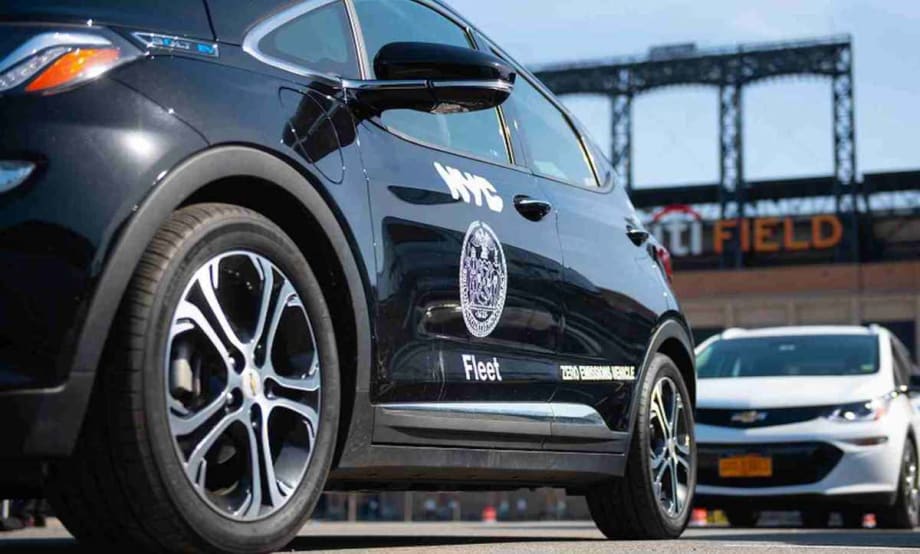
Photo courtesy of New York City
2 min to read
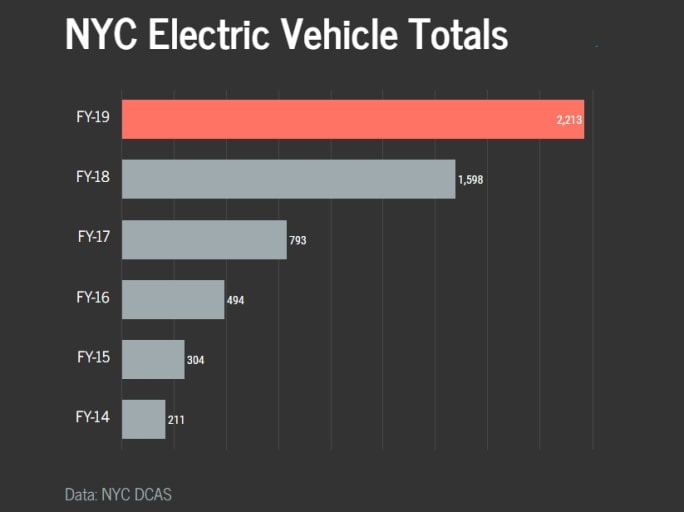
New York City has replaced 2,200 gas-powered on-road fleet vehicles with plug-in electric models, according to its Department of Citywide Administrative Services (DCAS). This milestone was achieved six years ahead of a 2025 target set by Mayor Bill de Blasio in the NYC Clean Fleet Plan, announced in 2015. Building upon this success, the city will now double its goal and will have at least 4,000 on-road electric vehicles in use by 2025. When Mayor de Blasio took office in 2014, the city had only 211 electric vehicles in its fleet.
The 2,200 plug-in electric vehicles that have been introduced to the city’s fleet have reduced annual CO2 emissions by nearly 9,000 metric tons, the equivalent of burning 1 million gallons of gasoline. In addition to the environmental benefits of electric vehicles, their use has reduced fueling and maintenance costs. The average all-electric sedan costs 65% less to maintain, saving over $550 per year for each vehicle. In total, one-third of the city’s sedans, excluding police cars, are now electric-powered.
Under Mayor de Blasio’s NYC Clean Fleet Plan, DCAS has also:
Replaced 5,400 traditional vehicles with hybrid models.
Expanded the use of biofuels, including beginning to use renewable diesel, a 99% petroleum-free alternative.
Achieved an historic milestone of 100 miles per gallon fuel economy equivalent for sedans purchased during fiscal-year 2018.
Installed the nation’s largest network of solar-powered electric vehicle chargers.
Equipped FDNY ambulances with anti-idling and electric plug-in-capable technology.
NYPD has received the first of its 200 hybrid police cars and the city unveiled the first electric vehicle “fast charger” that will be used by various city vehicles. This technology can fully charge an electric sedan in 45 minutes compared to six hours for traditional chargers. These chargers will help keep fleet vehicles in continuous use and not docked at a charger.
“In 2000, Fleet had only two alternative-fuel models available and neither were plug-ins,” said Keith Kerman, NYC chief fleet officer and DCAS deputy commissioner. “Today we have over 40 alternative-fuel models on the road including electric plug-in sedan, SUV, crossover, and mini-van options, and we expect to see these options continue to expand including to trucks.”
Earlier this year, Mayor de Blasio also signed an executive order that will eliminate at least 1,000 non-electric vehicles from the city vehicle fleet by June 2021, reduce the number of take-home vehicles for employees by at least 500, and replace 250 SUVs with electric plug-in sedans.
More Green Fleet
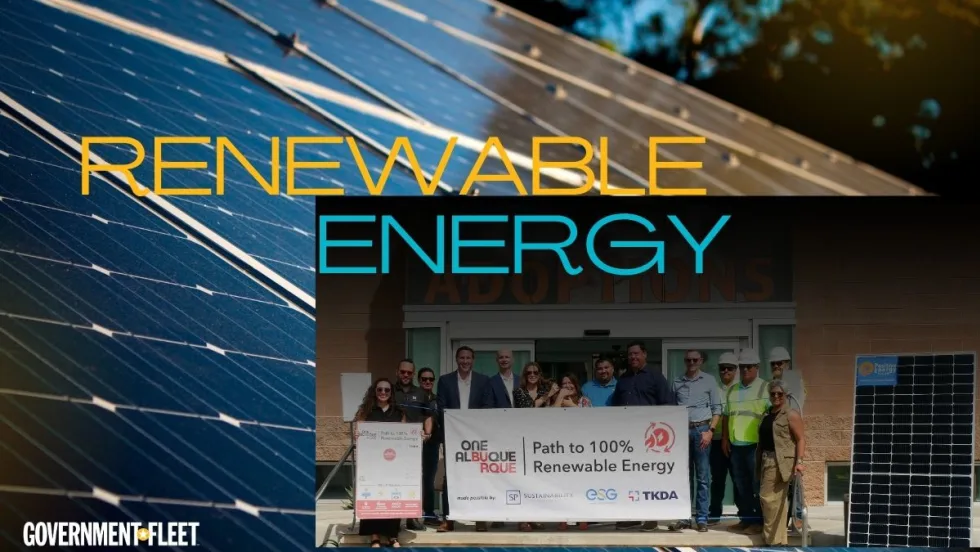
Sustainability Partners, Energy Systems Group Help Albuquerque Close the Gap on its 100% Renewable Energy Goal
The eight-site, 6 MW solar project has advanced the city toward 100% renewable energy for municipal operations.
Read More →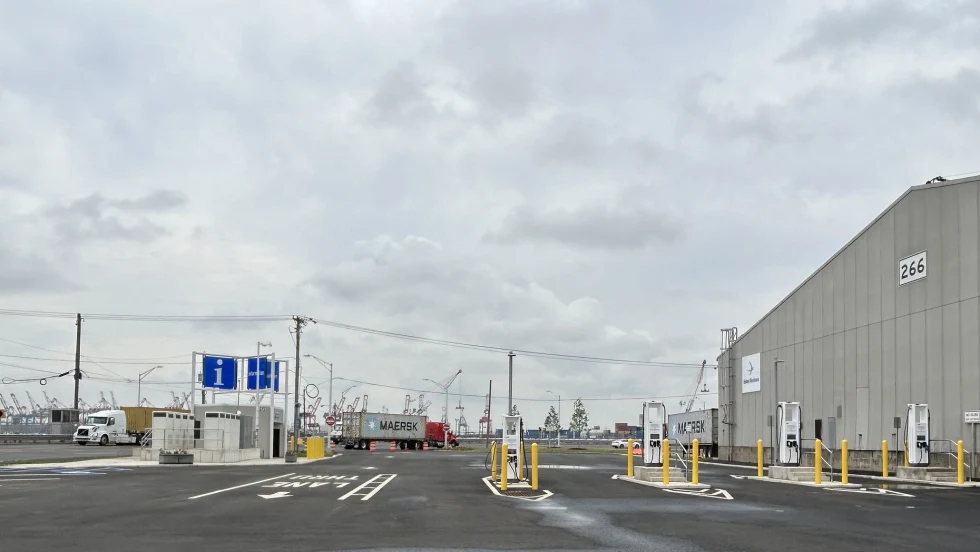
Port Authority and CALSTART Launch $45 Million Electric Truck and Charging Programs
The programs aim to boost sustainable operations across the East Coast's busiest seaport.
Read More →
Moving Government Fleets Beyond the Vehicle Purchase: EV as a Service
A discussion on how EVaaS is moving beyond pilot programs and what fleets should consider before beginning a larger deployment.
Read More →
Moving Government Fleets Beyond the Vehicle Purchase: EV as a Service
As fleets move beyond small EV pilots, Sustainability Partners CEO Adam Cain explains how EVaaS can address the infrastructure and long-term planning required for larger deployments.
Read More →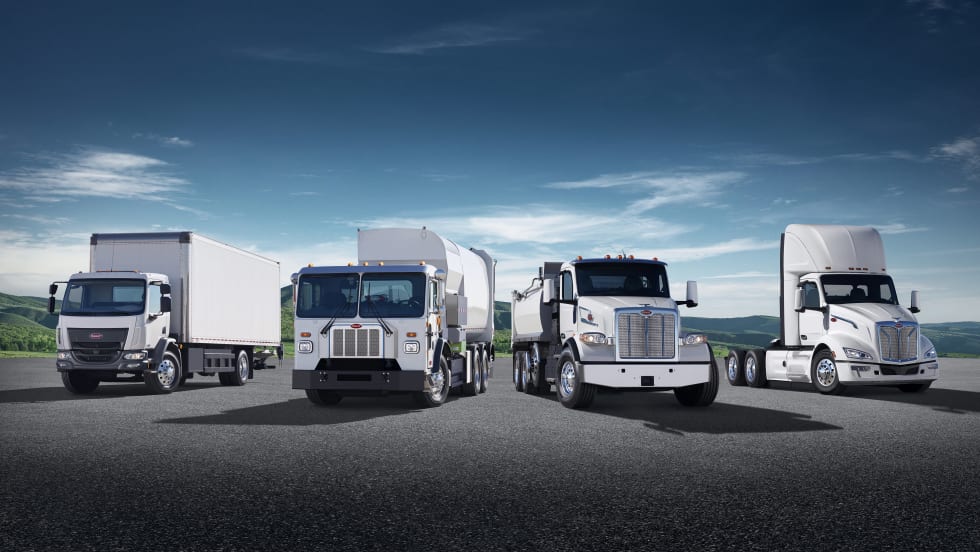
Peterbilt Expands Sourcewell Partnership with Electric Vehicle Lineup
The agreement aims to provide streamlined procurement of Peterbilt trucks for government, education, nonprofit and tribal organizations across the United States and Canada.
Read More →

EV Adoption & Charging Challenges
Where is your fleet in the journey of vehicle electrification? If you're still looking for answers to fleet electrification you've come to the right place.
Read More →
Hawaii Passes Clean Fuel Policy
Hawaii lawmakers passed clean fuel legislation that could support renewable natural gas production, biogas-powered transportation, and lower-carbon fueling options for public and commercial fleets.
Read More →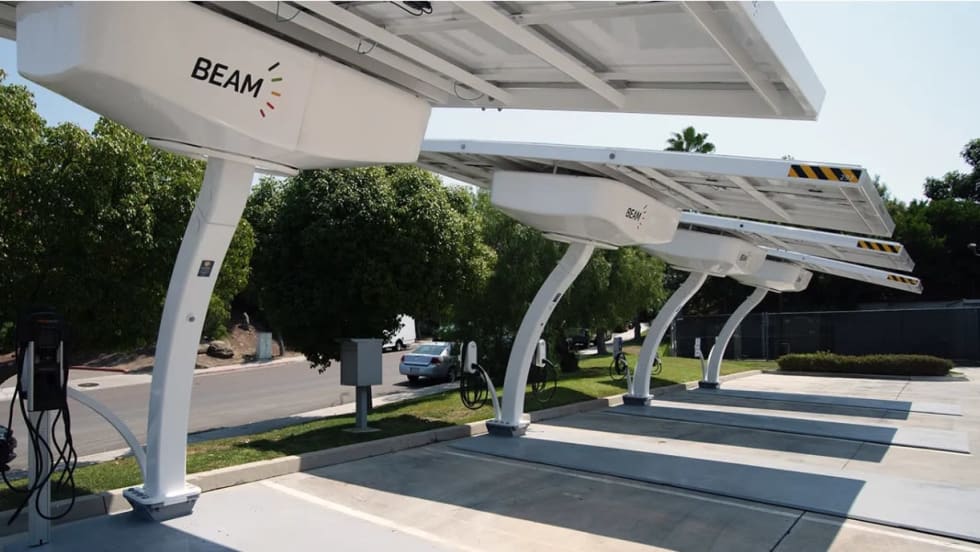
Stanislaus County Deploys Ten Beam Global EV ARC Systems to Support County Fleet Electrification
Stanislaus County deployed 10 off-grid solar-powered EV charging systems and a mobile charging trailer from Beam Global to support its electric fleet operations and emergency response flexibility.
Read More →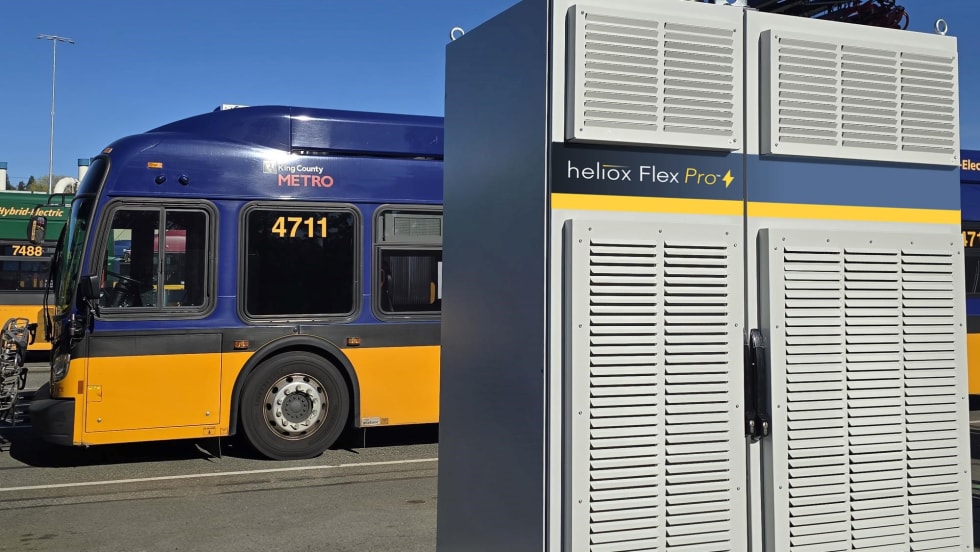
Heliox Pilots 480-kW Bus Charger with King County Metro
King County Metro is piloting Heliox’s new 480-kW Flex Pro charger to support expansion of its battery-electric bus fleet and depot charging infrastructure. The compact charging system supports pantograph and plug-in charging configurations for high-density transit operations.
Read More →