




New S100 Skid-Steer Loader Features Compact Size, Power, and Spacious Cab
WEST FARGO, ND – The new Bobcat S100 skid-steer loader, which has a 1,000-lb rated operating capacity, features a spacious cab, easy-to-read instrument panel, and a transversely mounted engine in a frame small enough to access and work in some of the tightest jobsites.
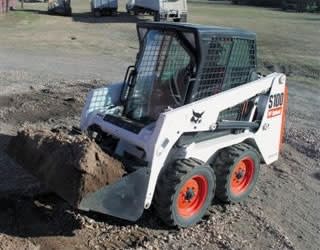
WEST FARGO, ND – The new Bobcat S100 skid-steer loader, which has a 1,000-lb rated operating capacity, features a spacious cab, easy-to-read instrument panel, and a transversely mounted engine in a frame small enough to access and work in some of the tightest jobsites.
The new S100 replaces the Bobcat 553 skid-steer loader model and is ideal for customers in rental, demolition, landscaping, and construction markets. Its narrow width of 50 in. with bucket allows operators to travel through backyard gates in residential areas, access the inside of buildings for interior demolition, and work between buildings and other tight quarters on construction sites. In addition to its 1,000-lb. ROC, the S100 loader features a four-cylinder, 33.5-hp diesel engine and a lift height of 8 ft. 6 in. for loading and dumping debris and materials. With an operating weight of only 4,110-lbs., contractors can easily transport the loader between jobsites. The S100 also is outfitted with a completely new instrument panel that places additional functionalities and state-of-the-art diagnostic capabilities at operators’ fingertips in an easy-to-read format. For example, the instrument panel would display any service codes with the loader’s engine, electrical, and hydraulic systems. A system shutdown feature on the S100 alerts operators when certain engine and hydraulic systems are out of range, and it then shuts down the machine to prevent catastrophic damage.
For the name of the nearest Bobcat dealer, visit www.bobcatdealer.com.
More Operations
Who Deserves Fleet Recognition and What Could You Teach at GFX?
Who helped shape your fleet career, and what have you learned that could help someone else?
Read More →
What’s Haunting Public Sector Fleets?
Public sector fleet challenges rarely happen in isolation, and addressing one often means understanding how it connects to another.
Read More →
Is Keeping Older Fleet Vehicles Really Saving Money?
Is keeping vehicles longer saving money, and what happens when a diagnostic test points to the wrong fix?
Read More →
How Smart Fleet Strategy Can Help Local Government Agencies Do More with Less
Keeping a vehicle longer may ease this year’s budget, but what does it cost the next one? A closer look at fleet decisions can reveal opportunities to reduce spending while protecting essential services.
Read More →
Connect with Government Fleet on LinkedIn
From industry news and fleet management strategies to conversations with peers, Government Fleet's LinkedIn page offers public-sector fleet professionals another way to stay informed and connected.
Read More →
Town of Queen Creek Named Most Successful Fleet Award Winner of Inaugural RTA Fleet Success Awards
Five fleets were honored at RTA Connect 2026 in Chicago for excellence across resource efficiency, intentional culture, risk management, and stakeholder satisfaction.
Read More →
A buyer's guide to fleet management software in 2027
Buying fleet management software in 2027 means looking beyond features and price. As fleet operations, technology and expectations evolve, this guide explores what today’s fleet professionals should consider when choosing a system that can deliver value now and adapt to what comes next.
Read More →
Hazard Alerts, Fleet Car Sales Rise and a New Shuttle Concept
Fleet car sales doubled, but the bigger picture tells a different story in this week’s roundup.
Read More →
How St. Johns County Turned Fleet Data Into Better Replacement Decisions
St. Johns County, Florida, had fleet data, but turning it into reliable decision guidance was another matter. Instead of starting over with a new fleet management system, the county connected existing tools and built a scoring system that gives managers an objective look at fleet health.
Read More →
Fleet Forward Conference Introduces One-Day Passes for 2026
New one-day registration lets fleet professionals attend Tuesday, Wednesday, or Thursday, with passes available for $249.
Read More →