




New FAA Rule Allows Utilities to Expand Drone Use
A new rule from the Federal Aviation Administration (FAA) that went into effect in late August is enabling more utility companies to consider unmanned aircraft systems to improve operations.

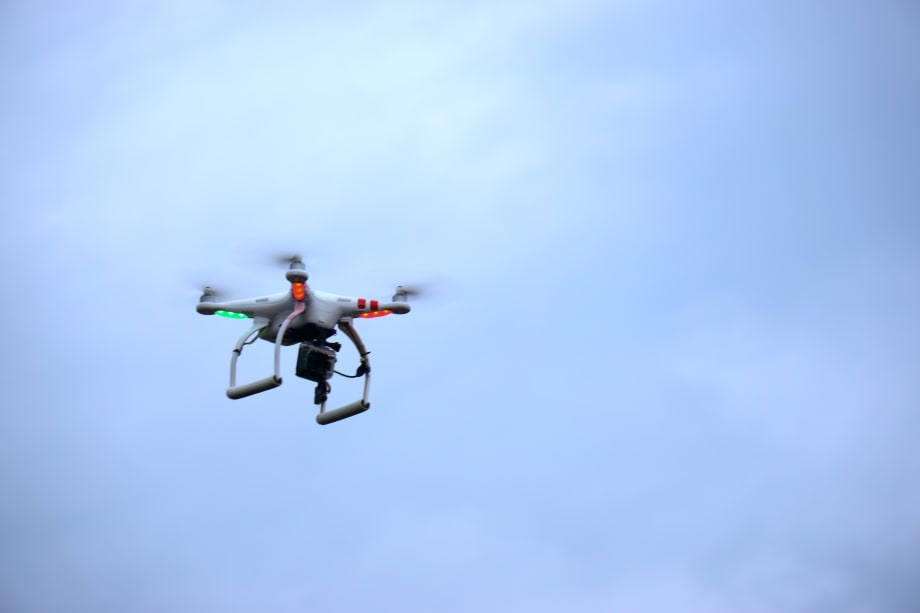
Photo via Flickr/Budi Nusyirwan.
Photo via Flickr/Budi Nusyirwan.
A new rule from the Federal Aviation Administration (FAA) that went into effect in late August is enabling more utility companies to consider unmanned aircraft systems to improve operations.
The FAA’s newest rule allows companies such as utilities to use drones without a waiver under certain conditions. In addition, the new rule includes the option to apply for a waiver, allowing companies to operate small drones even if they fail to meet certain parts of the rule.
Currently, many utilities use costly helicopters to inspect their assets in situations that are too dangerous for employees to assess on their own. With drones becoming a more viable option, utilities have the opportunity to save time and money while collecting clearer pictures, according to USA Today.
A number of utilities have worked with drones over the past few years. Dominion Energy and San Diego Gas & Electric have been testing drones since 2014.
Duke Energy in North Carolina has been working with drones for the past year, testing them for a number of uses. According to its website, the utility has used drones to inspect large boilers at power plants, find and fix faulty solar panels, and assess damage after natural disasters. So far, drone use has been limited to the company property, and Duke has not announced any plans to bring drone use to the public.
More Operations
Is Keeping Older Fleet Vehicles Really Saving Money?
Is keeping vehicles longer saving money, and what happens when a diagnostic test points to the wrong fix?
Read More →
How Smart Fleet Strategy Can Help Local Government Agencies Do More with Less
Keeping a vehicle longer may ease this year’s budget, but what does it cost the next one? A closer look at fleet decisions can reveal opportunities to reduce spending while protecting essential services.
Read More →
Connect with Government Fleet on LinkedIn
From industry news and fleet management strategies to conversations with peers, Government Fleet's LinkedIn page offers public-sector fleet professionals another way to stay informed and connected.
Read More →
Town of Queen Creek Named Most Successful Fleet Award Winner of Inaugural RTA Fleet Success Awards
Five fleets were honored at RTA Connect 2026 in Chicago for excellence across resource efficiency, intentional culture, risk management, and stakeholder satisfaction.
Read More →
A buyer's guide to fleet management software in 2027
Buying fleet management software in 2027 means looking beyond features and price. As fleet operations, technology and expectations evolve, this guide explores what today’s fleet professionals should consider when choosing a system that can deliver value now and adapt to what comes next.
Read More →
Hazard Alerts, Fleet Car Sales Rise and a New Shuttle Concept
Fleet car sales doubled, but the bigger picture tells a different story in this week’s roundup.
Read More →
How St. Johns County Turned Fleet Data Into Better Replacement Decisions
St. Johns County, Florida, had fleet data, but turning it into reliable decision guidance was another matter. Instead of starting over with a new fleet management system, the county connected existing tools and built a scoring system that gives managers an objective look at fleet health.
Read More →
Fleet Forward Conference Introduces One-Day Passes for 2026
New one-day registration lets fleet professionals attend Tuesday, Wednesday, or Thursday, with passes available for $249.
Read More →
ENC Unveils its ZAVIR Medium-Duty Shuttle
Two variants of the concept shuttles were revealed: a low-floor configuration and a high-floor configuration.
Read More →
Could Your Next Fleet Technician Start as an Intern?
What if your next technician hasn’t worked in a fleet shop yet? What fleets are doing to free up time.
Read More →