




New EPA Report Cites Significant Gains in Fuel Economy for 2012
Between 2007 and 2012, fuel economy values increased by 16% while carbon dioxide emissions have decreased by 13%, and in 2012 alone, miles per gallon for cars and trucks improved 1.4 mpg, according to the U.S. Environmental Protection Agency (EPA).
Between 2007 and 2012, fuel economy values increased by 16% while carbon dioxide (CO2) emissions have decreased by 13%, and in 2012 alone, miles per gallon (mpg) for cars and trucks improved 1.4 mpg, according to the U.S. Environmental Protection Agency (EPA).
These are just some of the findings of the EPA’s annual report that tracks the fuel economy of vehicles sold in the United States, underscoring the major increases made in the efficiency of the vehicles Americans drive, reducing oil consumption, and cutting carbon emissions.
“[The] report shows that we are making strides toward saving families money at the pump, reducing greenhouse gas emissions and cleaning up the air we breathe,” said Gina McCarthy, assistant administrator for EPA’s Office of Air and Radiation. “The historic steps taken by the Obama administration to improve fuel economy and reduce our dependence on foreign oil are accelerating this progress, will spur economic growth and will create high-quality domestic jobs in cutting edge industries across America.”
The expected 1.4 mpg improvement in 2012 is based on sales estimates provided to EPA by automakers. EPA’s projections show a reduction in CO2 emissions to 374 grams per mile and an increase in average fuel economy to 23.8 mpg. These numbers represent the largest annual improvements since EPA began reporting on fuel economy.
Fuel economy is expected to continue improving significantly under the Obama administration’s historic National Clean Car Program standards. The program cuts greenhouse gas emissions and would double fuel economy standards by 2025 and reduce oil consumption by more than 2 million barrels a day.
EPA’s annual “Light-Duty Automotive Technology, Carbon Dioxide Emissions, and Fuel Economy Trends: 1975 through 2012” attributes the improvements to the rapid adoption of more efficient technologies, the increasing number of high fuel economy choices for consumers, and the fact that many automakers are already selling vehicles that can meet more stringent future fuel economy and greenhouse gas emissions standards. The report indicates that the projected gains for 2012 more than make up for a slight dip in fuel economy in 2011, according to the EPA.
More Green Fleet
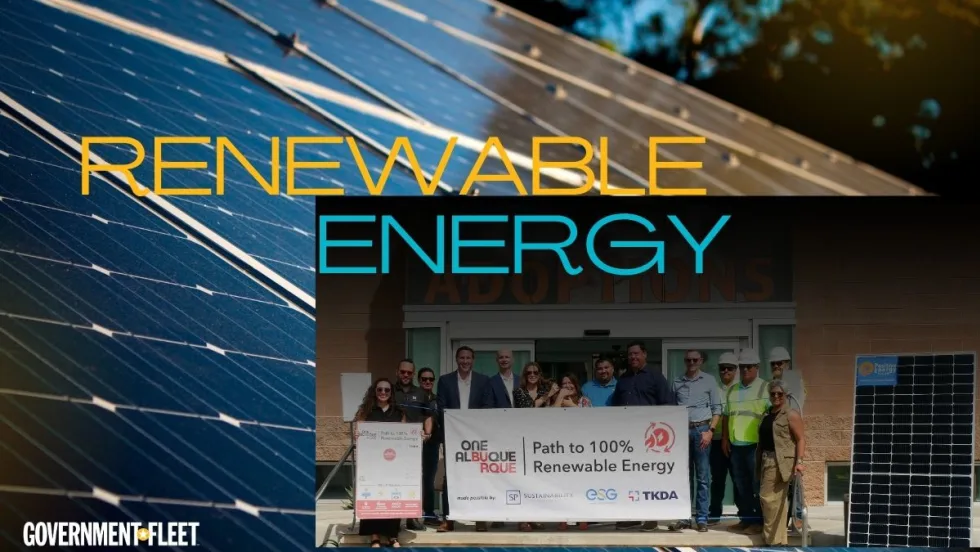
Sustainability Partners, Energy Systems Group Help Albuquerque Close the Gap on its 100% Renewable Energy Goal
The eight-site, 6 MW solar project has advanced the city toward 100% renewable energy for municipal operations.
Read More →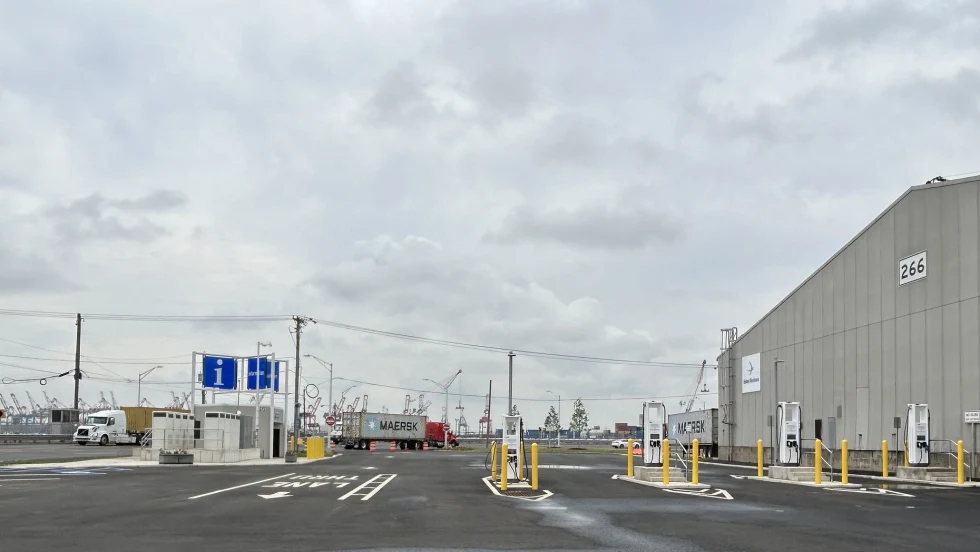
Port Authority and CALSTART Launch $45 Million Electric Truck and Charging Programs
The programs aim to boost sustainable operations across the East Coast's busiest seaport.
Read More →
Moving Government Fleets Beyond the Vehicle Purchase: EV as a Service
A discussion on how EVaaS is moving beyond pilot programs and what fleets should consider before beginning a larger deployment.
Read More →
Moving Government Fleets Beyond the Vehicle Purchase: EV as a Service
As fleets move beyond small EV pilots, Sustainability Partners CEO Adam Cain explains how EVaaS can address the infrastructure and long-term planning required for larger deployments.
Read More →
Peterbilt Expands Sourcewell Partnership with Electric Vehicle Lineup
The agreement aims to provide streamlined procurement of Peterbilt trucks for government, education, nonprofit and tribal organizations across the United States and Canada.
Read More →

EV Adoption & Charging Challenges
Where is your fleet in the journey of vehicle electrification? If you're still looking for answers to fleet electrification you've come to the right place.
Read More →
Hawaii Passes Clean Fuel Policy
Hawaii lawmakers passed clean fuel legislation that could support renewable natural gas production, biogas-powered transportation, and lower-carbon fueling options for public and commercial fleets.
Read More →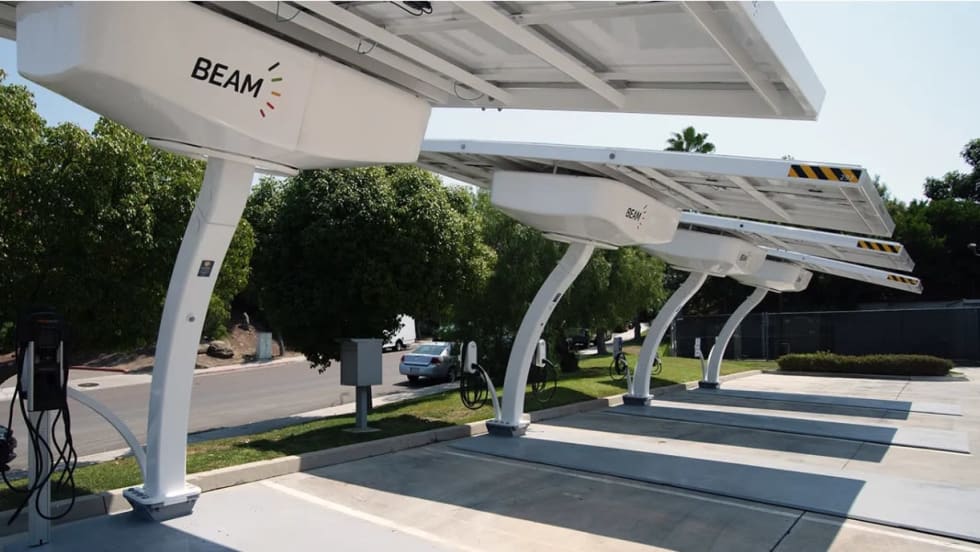
Stanislaus County Deploys Ten Beam Global EV ARC Systems to Support County Fleet Electrification
Stanislaus County deployed 10 off-grid solar-powered EV charging systems and a mobile charging trailer from Beam Global to support its electric fleet operations and emergency response flexibility.
Read More →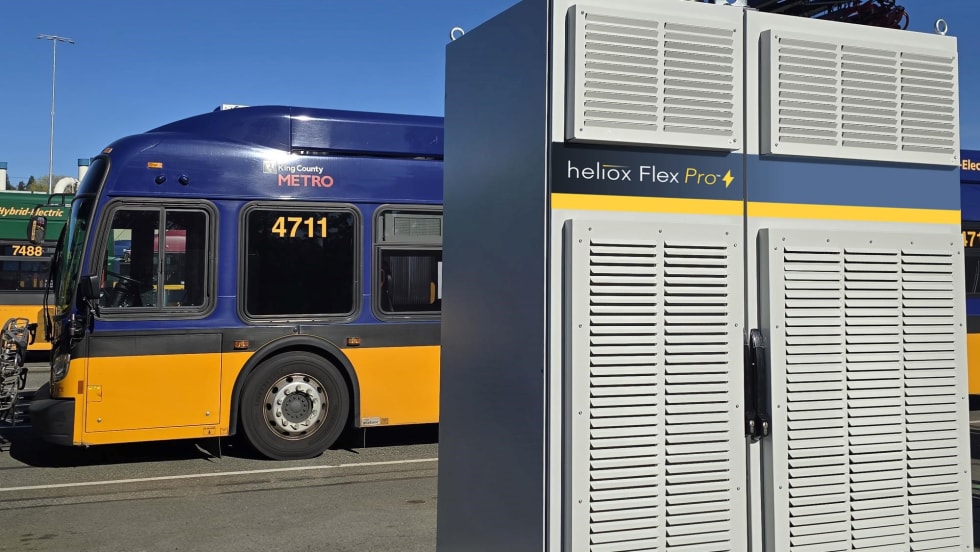
Heliox Pilots 480-kW Bus Charger with King County Metro
King County Metro is piloting Heliox’s new 480-kW Flex Pro charger to support expansion of its battery-electric bus fleet and depot charging infrastructure. The compact charging system supports pantograph and plug-in charging configurations for high-density transit operations.
Read More →