




New Electric Utility Trucks Could Help Reduce Blackouts
In addition to fuel savings, the Class 5 utility work truck model also offers up to 120kW of exportable power, which can be used to shorten or eliminate planned and unplanned outages.
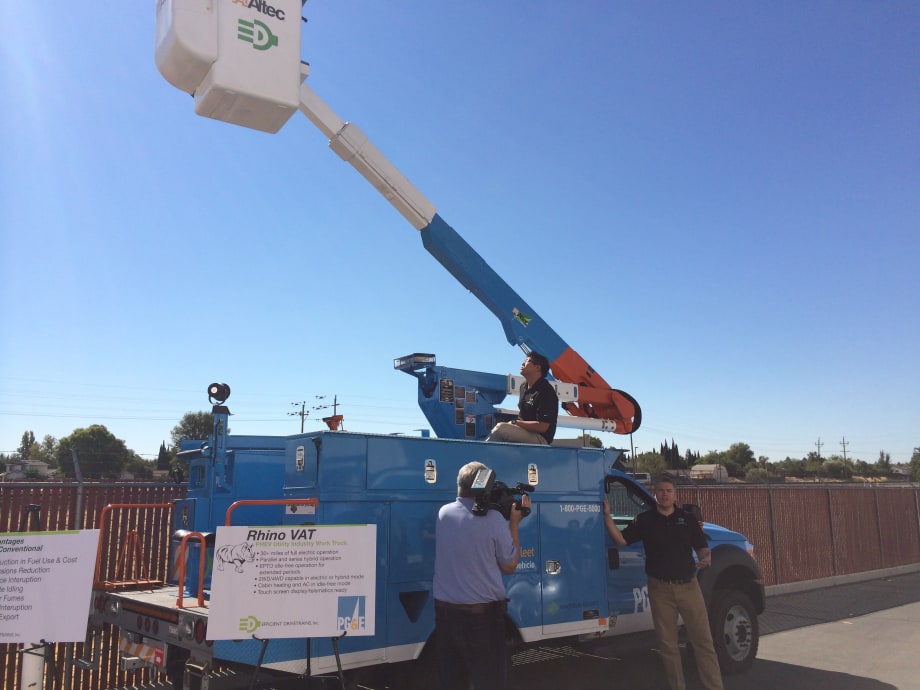
Patrick Kaufman, lead systems engineer for EDI, demonstrates the exportable power capacity on the EDI/PG&E Class-5 utility work truck. (Photo: PG&E)
Patrick Kaufman, lead systems engineer for EDI, demonstrates the exportable power capacity on the EDI/PG&E Class-5 utility work truck. (Photo: PG&E)
Pacific Gas and Electric Company (PG&E) and Efficient Drivetrains Incorporated (EDI) unveiled two new utility trucks – a Class 5 utility work truck and Class 5 plug-in hybrid electric bucket truck – at an event held Sept. 17 at EDI’s manufacturing facility.
Developed by EDI in partnership with PG&E, the utility trucks were designed, built and tested at EDI’s manufacturing plant in Dixon, Calif. The vehicles feature the “EDI Drive” PHEV system, which provides up to 30 miles of all-electric range and an additional 300 miles of range in PHEV mode. In addition, these vehicles are the industry’s first to also offer both parallel and series hybrid modes, allowing the vehicle to maximize fuel efficiency in both highway and in-city driving conditions, according to the companies.
Aside from fuel savings, the Class 5 utility work truck model also offers up to 120kW of exportable power, which can be used to shorten or eliminate planned and unplanned outages. According to PG&E, nearly 80 percent of the transformers in its service area are 120kW or less.
“These vehicles were custom designed to meet PG&E’s goals of both electrifying its utility fleet and to utilize that on-board generating capability to fundamentally change how the utility manages electric outages,” said Joerg Ferchau, chief executive officer for EDI.
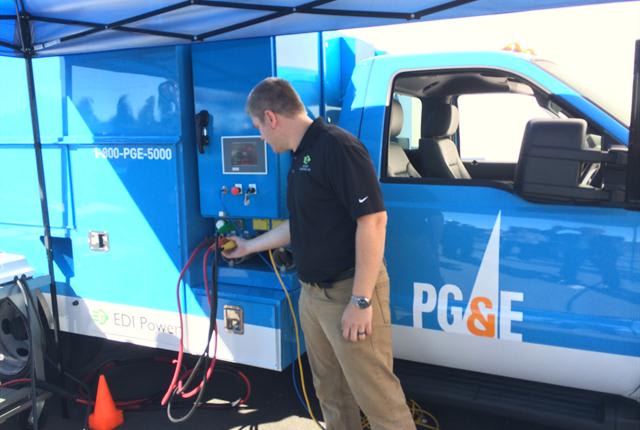
Kaufman demonstrates the Altec systems electric powered boom on the EDI/PG&E Class-5 Trouble Truck.
PG&E and EDI also unveiled a Class 5 PHEV bucket truck that they partnered on with Altec Industries, featuring a customized version of Altec’s Jobsite Energy Management System (JEMS). This technology allows crews to operate all onboard vehicle equipment, including the boom, climate control, lights and other auxiliary systems off of the onboard batteries, eliminating the need to idle the trucks while at jobsites. PG&E has been utilizing this technology on its Class 5 and Class 8 bucket trucks for nearly five years, and reported nearly $750,000 savings in fuel costs last year when compared to conventional bucket trucks.
“These cutting-edge trucks not only will help us reduce our fuel costs as well as our carbon footprint, but in the event of an outage, we would be able use their exportable power capacity to supply electricity to homes and businesses,” said Dave Meisel, senior director of transportation and aviation services for PG&E. “In addition, being able partner with two companies with manufacturing plants in the heart of our service territory will also help us meet our goal of creating economic vitality in the communities we are privileged to serve.”
PG&E, one of the largest commercial fleets in the U.S., currently operates 942 Class 5 vehicles, including bucket trucks, flat beds, and other service trucks. If the utility were to replace all of those vehicles with EDI’s plug-in electric hybrid models, the utility estimated it would save nearly $3.5 million in fuel costs and reduce GHG emissions by over 9,000 metric tons annually. PG&E operates one of the greenest utility fleets in the industry, with nearly 3,500 alternative-fuel vehicles, including approximately 1,000 electric and electric hybrid units.
More Green Fleet
Sustainability Partners, Energy Systems Group Help Albuquerque Close the Gap on its 100% Renewable Energy Goal
The eight-site, 6 MW solar project has advanced the city toward 100% renewable energy for municipal operations.
Read More →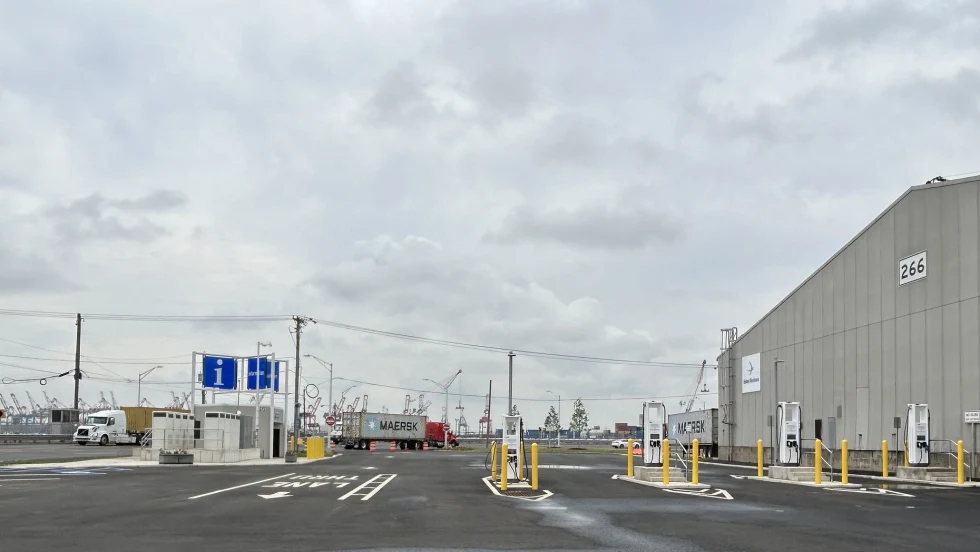
Port Authority and CALSTART Launch $45 Million Electric Truck and Charging Programs
The programs aim to boost sustainable operations across the East Coast's busiest seaport.
Read More →
Moving Government Fleets Beyond the Vehicle Purchase: EV as a Service
A discussion on how EVaaS is moving beyond pilot programs and what fleets should consider before beginning a larger deployment.
Read More →
Moving Government Fleets Beyond the Vehicle Purchase: EV as a Service
As fleets move beyond small EV pilots, Sustainability Partners CEO Adam Cain explains how EVaaS can address the infrastructure and long-term planning required for larger deployments.
Read More →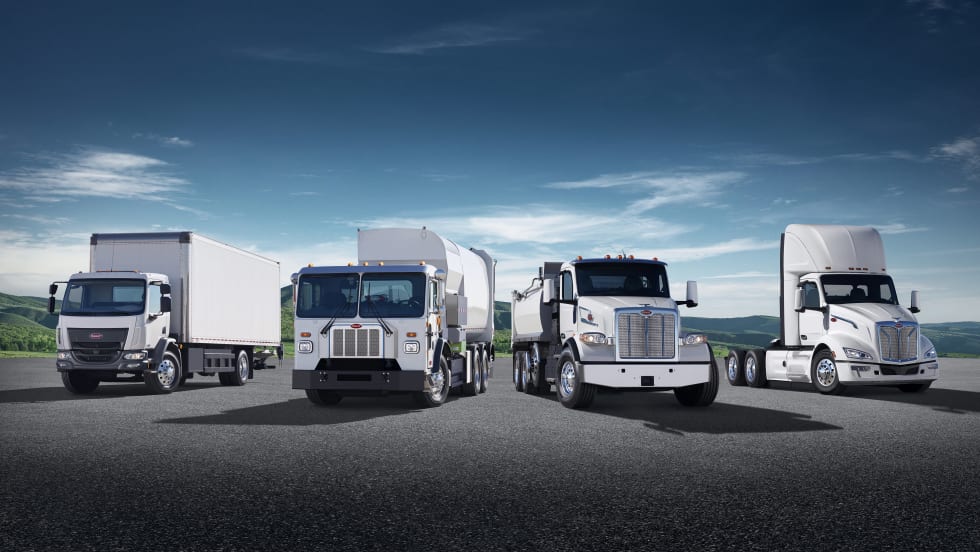
Peterbilt Expands Sourcewell Partnership with Electric Vehicle Lineup
The agreement aims to provide streamlined procurement of Peterbilt trucks for government, education, nonprofit and tribal organizations across the United States and Canada.
Read More →

EV Adoption & Charging Challenges
Where is your fleet in the journey of vehicle electrification? If you're still looking for answers to fleet electrification you've come to the right place.
Read More →
Hawaii Passes Clean Fuel Policy
Hawaii lawmakers passed clean fuel legislation that could support renewable natural gas production, biogas-powered transportation, and lower-carbon fueling options for public and commercial fleets.
Read More →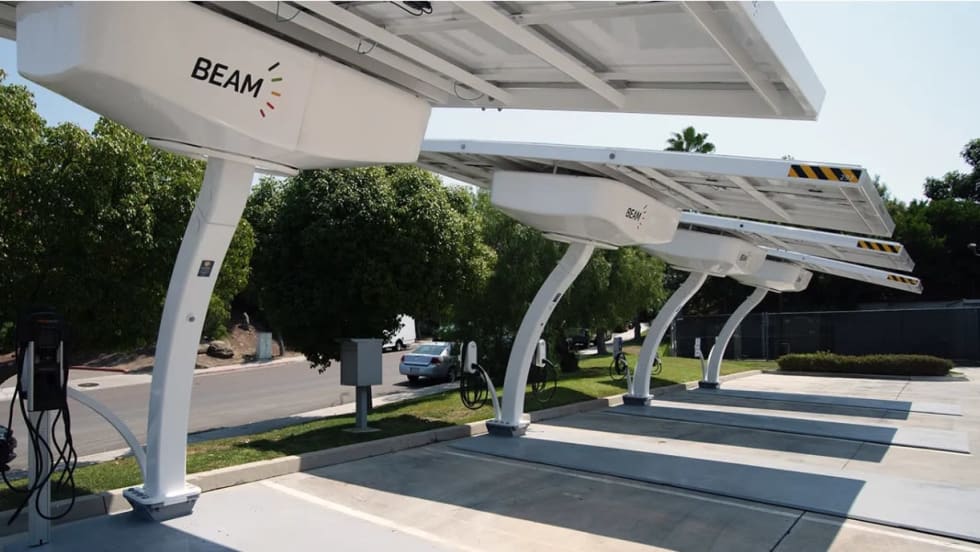
Stanislaus County Deploys Ten Beam Global EV ARC Systems to Support County Fleet Electrification
Stanislaus County deployed 10 off-grid solar-powered EV charging systems and a mobile charging trailer from Beam Global to support its electric fleet operations and emergency response flexibility.
Read More →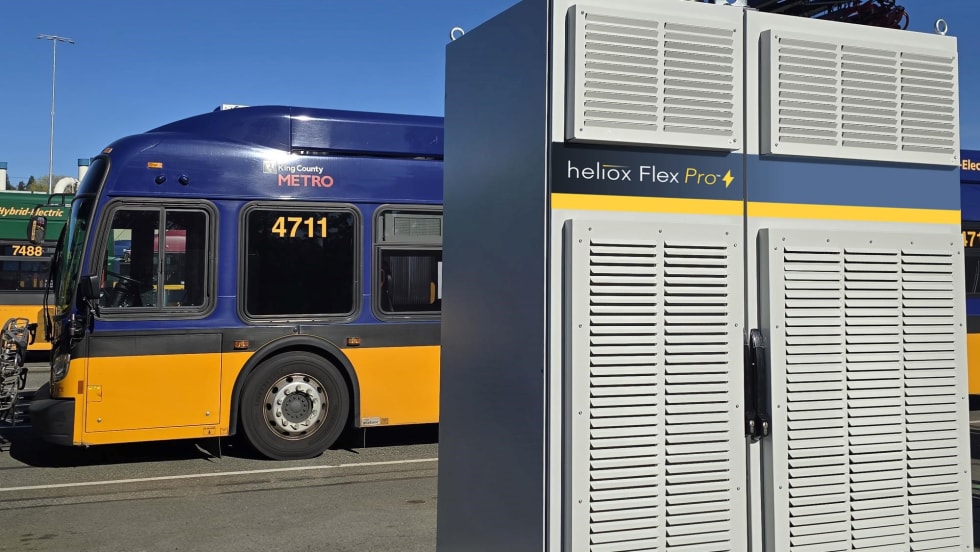
Heliox Pilots 480-kW Bus Charger with King County Metro
King County Metro is piloting Heliox’s new 480-kW Flex Pro charger to support expansion of its battery-electric bus fleet and depot charging infrastructure. The compact charging system supports pantograph and plug-in charging configurations for high-density transit operations.
Read More →