




NASA Fleet Reduced Petroleum Fuel Use by 62%
The National Aeronautics and Space Administration (NASA) has replaced two-thirds of its fleet with vehicles that run on cleaner fuels, including biofuels and electricity, and is now working on further expanding electrification.


Photo via Flickr/Donald Lee Pardue
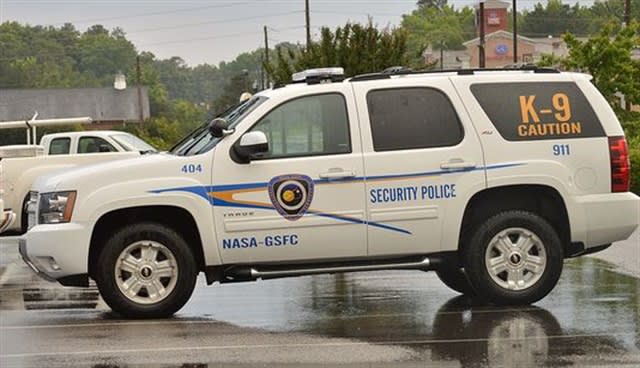
Photo via Flickr/Donald Lee Pardue
The National Aeronautics and Space Administration (NASA) has replaced two-thirds of its fleet with vehicles that run on cleaner fuels, including biofuels, electricity, and compressed natural gas (CNG). Its fleet greening is part of an effort by federal agencies to comply with President Obama’s sustainability goals.
This allowed the NASA fleet to reduce its petroleum fuel use by 62% since 2005 — down to 483,660 gallons in FY-15. The fleet’s alt-fuel use has nearly doubled in the same time frame — up to 283,592 gallons and gasoline gallons equivalent (GGEs), said Tim Currie, agency transportation manager.
The NASA fleet consists of 3,138 vehicles. Of these, there are 1,595 flex-fuel vehicles, 257 dedicated electric vehicles, 117 hybrids, 10 plug-in electric vehicles, and four compressed natural gas vehicles. The fleet is dispersed across 14 centers throughout the U.S., and also includes very small fleets in Moscow and Australia, Currie said.
With Obama’s Executive Order 13693 mandating that by the end of 2020, 20% of all new agency passenger vehicle acquisitions must be zero-emission or plug-in hybrid vehicles, the NASA fleet is moving toward electrification.
The vast majority of vehicles operate within campuses — the largest of which is 25 square miles — so Currie sees electric vehicles easily transitioning into the fleet.
“A 40-, 60-, or 80-mile driving range is more than enough to compensate for the day-to-day workload of NASA,” he said.
The problem is vehicle availability. More than 60% of the fleet consists of light- and medium-duty pickup trucks, but Currie will be limited to purchasing sedans to meet the mandate.
For now, however, Currie’s greening efforts have been recognized by the White House, which awarded him with a 2016 GreenGov Presidential Award in the Greening the Fleet category in September.
“It’s a combined effort of the transportation managers and the operators for recognizing the requirement and understanding their role in the behavior of change that it took for that to occur,” Currie said.
The federal government has tripled its consumption of alternative fuels since 2005, to 15.1 million gallons, surpassing the administration’s fleet alternative-fuel consumption goal by 50%, according to the White House. It further reported that the federal fleet had 4,337 electric vehicles and 22,863 hybrid electric vehicles in 2015.
More Operations

Is Keeping Older Fleet Vehicles Really Saving Money?
Is keeping vehicles longer saving money, and what happens when a diagnostic test points to the wrong fix?
Read More →
How Smart Fleet Strategy Can Help Local Government Agencies Do More with Less
Keeping a vehicle longer may ease this year’s budget, but what does it cost the next one? A closer look at fleet decisions can reveal opportunities to reduce spending while protecting essential services.
Read More →
Connect with Government Fleet on LinkedIn
From industry news and fleet management strategies to conversations with peers, Government Fleet's LinkedIn page offers public-sector fleet professionals another way to stay informed and connected.
Read More →
Town of Queen Creek Named Most Successful Fleet Award Winner of Inaugural RTA Fleet Success Awards
Five fleets were honored at RTA Connect 2026 in Chicago for excellence across resource efficiency, intentional culture, risk management, and stakeholder satisfaction.
Read More →
A buyer's guide to fleet management software in 2027
Buying fleet management software in 2027 means looking beyond features and price. As fleet operations, technology and expectations evolve, this guide explores what today’s fleet professionals should consider when choosing a system that can deliver value now and adapt to what comes next.
Read More →
Hazard Alerts, Fleet Car Sales Rise and a New Shuttle Concept
Fleet car sales doubled, but the bigger picture tells a different story in this week’s roundup.
Read More →
How St. Johns County Turned Fleet Data Into Better Replacement Decisions
St. Johns County, Florida, had fleet data, but turning it into reliable decision guidance was another matter. Instead of starting over with a new fleet management system, the county connected existing tools and built a scoring system that gives managers an objective look at fleet health.
Read More →
Fleet Forward Conference Introduces One-Day Passes for 2026
New one-day registration lets fleet professionals attend Tuesday, Wednesday, or Thursday, with passes available for $249.
Read More →
ENC Unveils its ZAVIR Medium-Duty Shuttle
Two variants of the concept shuttles were revealed: a low-floor configuration and a high-floor configuration.
Read More →
Could Your Next Fleet Technician Start as an Intern?
What if your next technician hasn’t worked in a fleet shop yet? What fleets are doing to free up time.
Read More →