




Mississippi State University Receives $1 Million Clean Diesel Grant
ATLANTA - The U.S. Environmental Protection Agency, Region 4, presented the Mississippi State University Center for Advanced Vehicular Systems with a $1,083,595 grant award to help reduce diesel emissions associated with freight movement throughout the southeast.
ATLANTA- The U.S. Environmental Protection Agency, Region 4, presented the Mississippi State University Center for Advanced Vehicular Systems with a $1,083,595 grant award to help reduce diesel emissions associated with freight movement throughout the southeast as part of its ongoing efforts in the National Clean Diesel Campaign and the Southeast Diesel Collaborative.
This project will help reduce diesel emissions by retrofitting a total of 101 long-haul trucks with Battery Operated Air Conditioning Units (BACs) to eliminate the need for idling when trucks are stopped for required rest periods or for loading and unloading. This effort will help reduce emissions of carbon dioxide, particulate matter, and nitrogen oxides — a precursor to ozone.
"EPA is proud to recognize the actions of the Mississippi State University for its efforts to improve air quality and protect public health," said Carol Kemker, Acting Division Director for the Air, Pesticides, and Toxics Management Division of EPA Region 4 in Atlanta. "Emissions from diesel engines are a serious public health threat and environmental challenge, and reducing diesel emissions is a priority for EPA."
This clean diesel project is expected to save 144,502 gallons of diesel fuel, which will reduce carbon dioxide emissions by 1,608 tons annually. In addition, the use of the BACs will result in annual reductions of 28.67 tons of nitrogen oxides and 0.78 tons of particulate matter.
Mississippi State University's partners in this project, two private companies operating large fleets in Mississippi, will install BACs on a percentage of their fleets. Additional retrofits will be offered to independent truck owners located in Mississippi. These fleets operate throughout the U.S., and EPA expects this program to benefit many communities throughout the southeast and around the country as these fleets travel.
EPA has a plan to significantly reduce pollution from diesel engines through its National Clean Diesel Campaign. This plan combines regulatory measures with voluntary initiatives, like the Southeast Diesel Collaborative ( SEDC ) in EPA Region 4, to reduce the pollution emitted from diesel engines across the country. The SEDC is a partnership composed of leaders from federal, state and local government, the private sector and other stakeholders in Alabama, Florida, Georgia, Kentucky, Mississippi, North Carolina, South Carolina and Tennessee. The goal of the collaborative is to improve air quality and public health by reducing emissions from existing diesel engines.
More Green Fleet
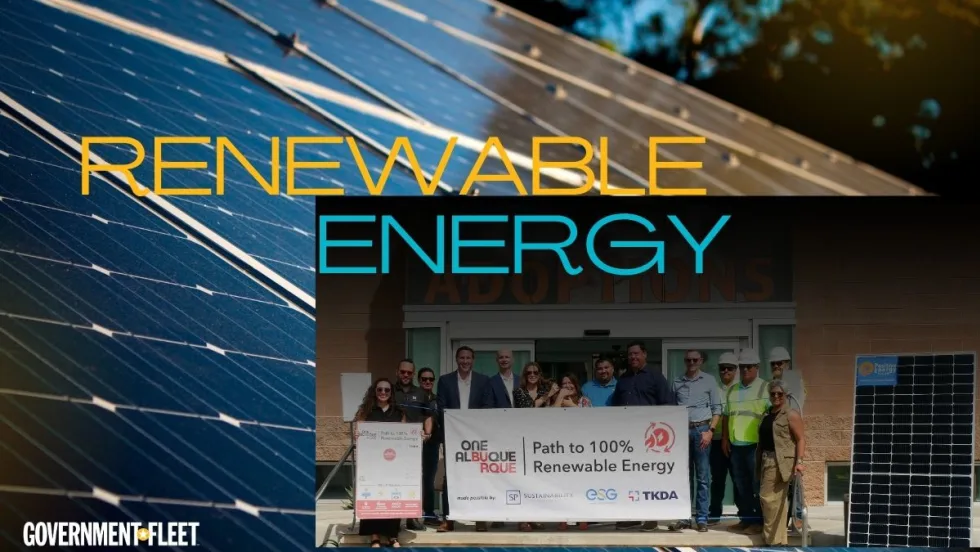
Sustainability Partners, Energy Systems Group Help Albuquerque Close the Gap on its 100% Renewable Energy Goal
The eight-site, 6 MW solar project has advanced the city toward 100% renewable energy for municipal operations.
Read More →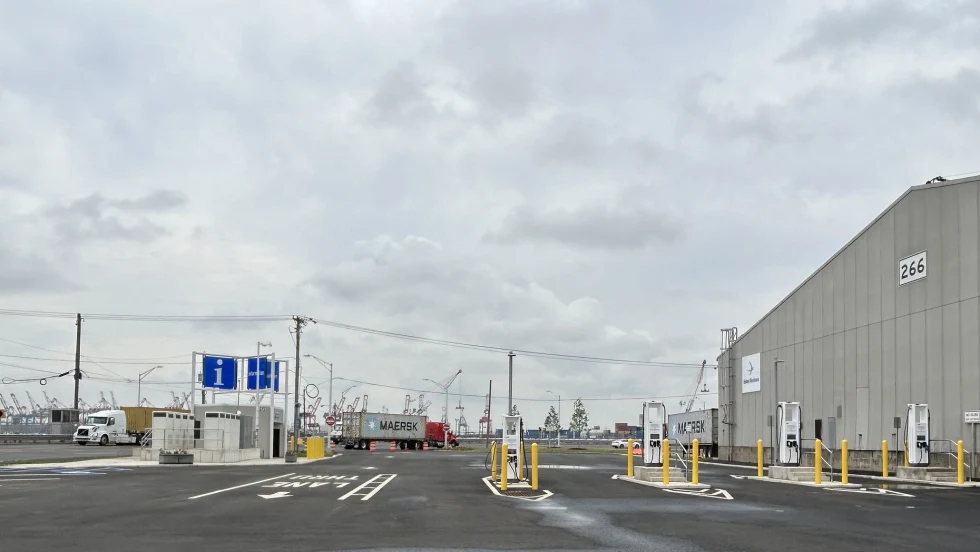
Port Authority and CALSTART Launch $45 Million Electric Truck and Charging Programs
The programs aim to boost sustainable operations across the East Coast's busiest seaport.
Read More →
Moving Government Fleets Beyond the Vehicle Purchase: EV as a Service
A discussion on how EVaaS is moving beyond pilot programs and what fleets should consider before beginning a larger deployment.
Read More →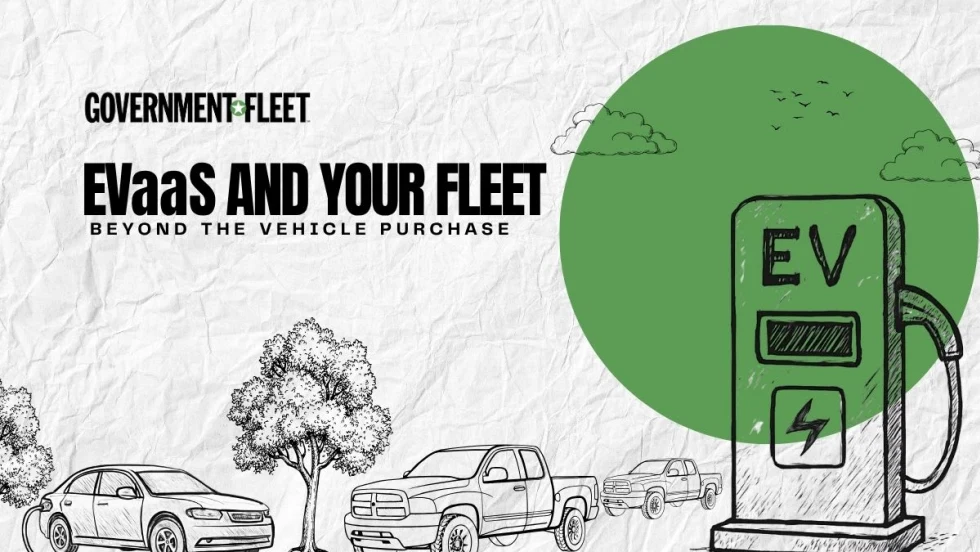
Moving Government Fleets Beyond the Vehicle Purchase: EV as a Service
As fleets move beyond small EV pilots, Sustainability Partners CEO Adam Cain explains how EVaaS can address the infrastructure and long-term planning required for larger deployments.
Read More →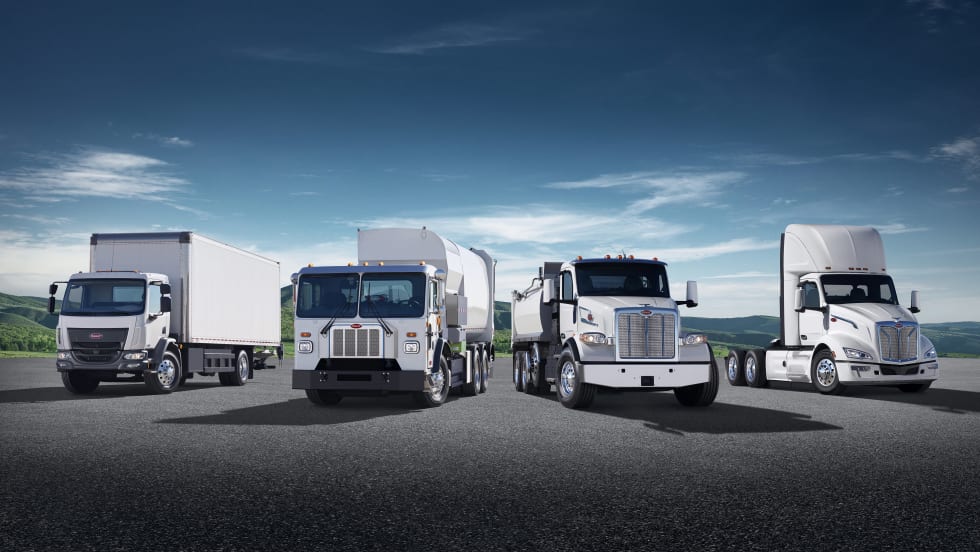
Peterbilt Expands Sourcewell Partnership with Electric Vehicle Lineup
The agreement aims to provide streamlined procurement of Peterbilt trucks for government, education, nonprofit and tribal organizations across the United States and Canada.
Read More →
EV Adoption & Charging Challenges
Where is your fleet in the journey of vehicle electrification? If you're still looking for answers to fleet electrification you've come to the right place.
Read More →
Hawaii Passes Clean Fuel Policy
Hawaii lawmakers passed clean fuel legislation that could support renewable natural gas production, biogas-powered transportation, and lower-carbon fueling options for public and commercial fleets.
Read More →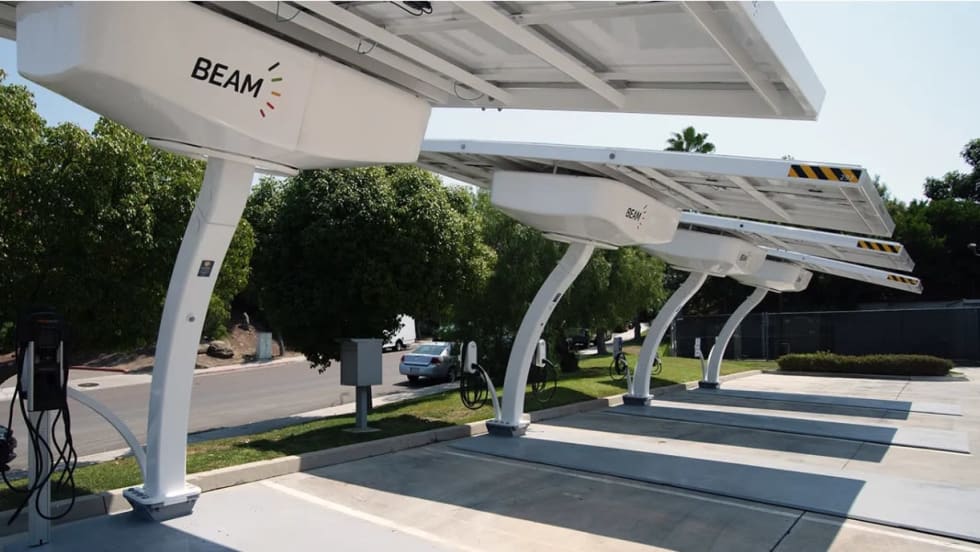
Stanislaus County Deploys Ten Beam Global EV ARC Systems to Support County Fleet Electrification
Stanislaus County deployed 10 off-grid solar-powered EV charging systems and a mobile charging trailer from Beam Global to support its electric fleet operations and emergency response flexibility.
Read More →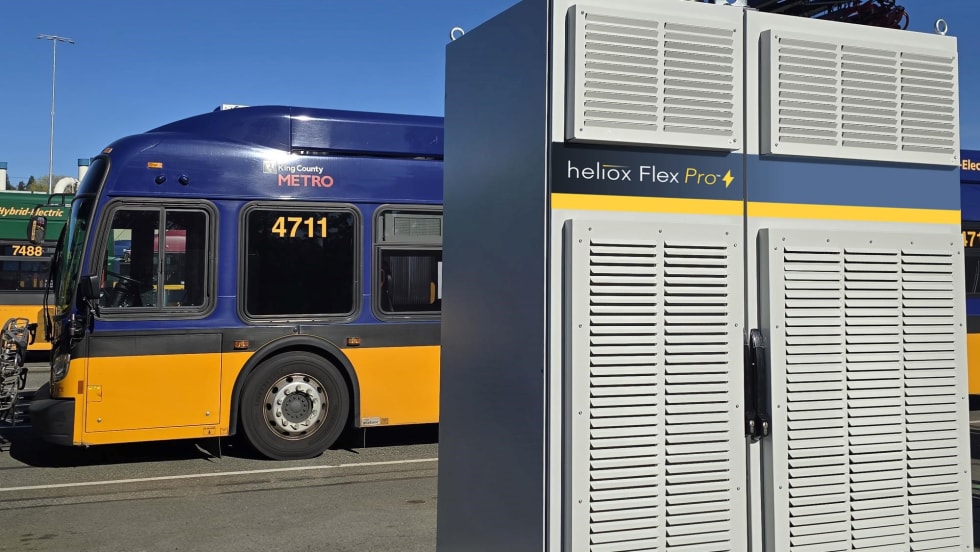
Heliox Pilots 480-kW Bus Charger with King County Metro
King County Metro is piloting Heliox’s new 480-kW Flex Pro charger to support expansion of its battery-electric bus fleet and depot charging infrastructure. The compact charging system supports pantograph and plug-in charging configurations for high-density transit operations.
Read More →