




Md. County Adds 16 Bolt EVs
Montgomery County, Md., has purchased 16 new Chevrolet Bolt electric vehicles (EVs) at a cost of $622,254. These additions bring the county up to 243 electric and hybrid vehicles.
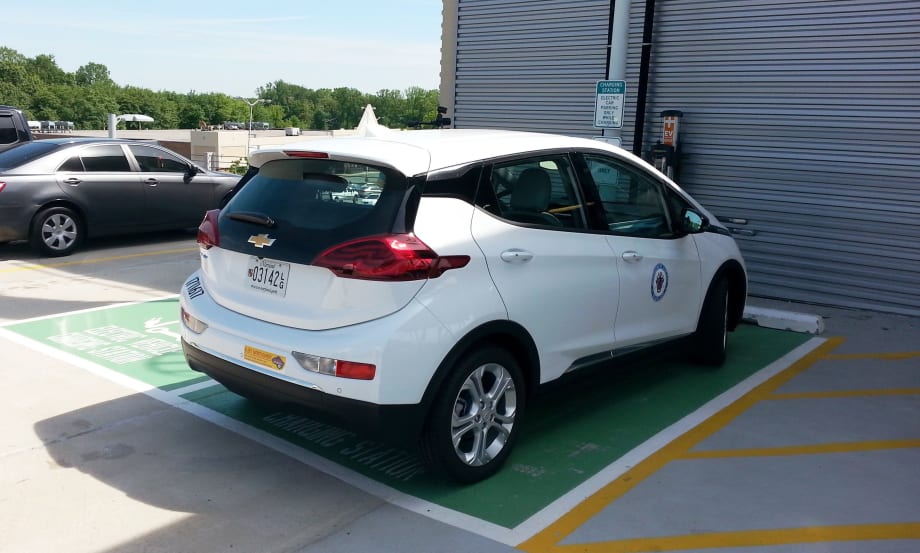
Photo courtesy of Montgomery County
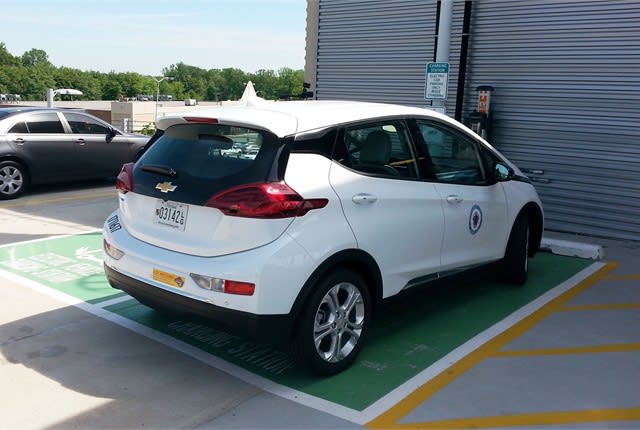
Photo courtesy of Montgomery County
Montgomery County, Md., has purchased 16 new Chevrolet Bolt electric vehicles (EVs) at a cost of $622,254. The Bolts are replacing 15 Chevrolet Cavaliers and Cobalts, and a Toyota Prius, that are all being retired from service.
“I am committed to modernizing this government while lowering our carbon footprint,” said Montgomery County Executive Ike Leggett. “I want to modernize the buildings, equipment, vehicles, and other resources available to the men and women who serve this county every day. What we are showing today is an important step in a larger effort to expand the county fleet of alternatively fueled vehicles and equipment over the next several years.”
The Chevrolet Bolt is a 100%, electric-powered vehicle that utilizes energy stored in a lithium-ion battery pack produced by LG Chem. The vehicles emit no tailpipe pollutants, and EVs provide quiet, smooth operation; offer stronger acceleration; and require less maintenance than internal combustion engines, according to the agency.
The vehicles being replaced used approximately 56,900 gallons of gasoline in their lifetimes, at a cost of $133,000. The 2002 Cavalier traveled, on average, about 230 miles on a tank of fuel. The Bolt EV uses no gasoline and can travel an EPA-estimated 238 miles on a full electric charge.
With these 16 Bolts, the County will have a total of 243 battery-electric and hybrid-electric vehicles with 29 charging stations throughout the county. The Department of General Services (DGS) also installed idle-reduction software on 35 additional vehicles and has realized a 5% increase in fuel economy on those vehicles.
More Green Fleet
Sustainability Partners, Energy Systems Group Help Albuquerque Close the Gap on its 100% Renewable Energy Goal
The eight-site, 6 MW solar project has advanced the city toward 100% renewable energy for municipal operations.
Read More →
Port Authority and CALSTART Launch $45 Million Electric Truck and Charging Programs
The programs aim to boost sustainable operations across the East Coast's busiest seaport.
Read More →
Moving Government Fleets Beyond the Vehicle Purchase: EV as a Service
A discussion on how EVaaS is moving beyond pilot programs and what fleets should consider before beginning a larger deployment.
Read More →
Moving Government Fleets Beyond the Vehicle Purchase: EV as a Service
As fleets move beyond small EV pilots, Sustainability Partners CEO Adam Cain explains how EVaaS can address the infrastructure and long-term planning required for larger deployments.
Read More →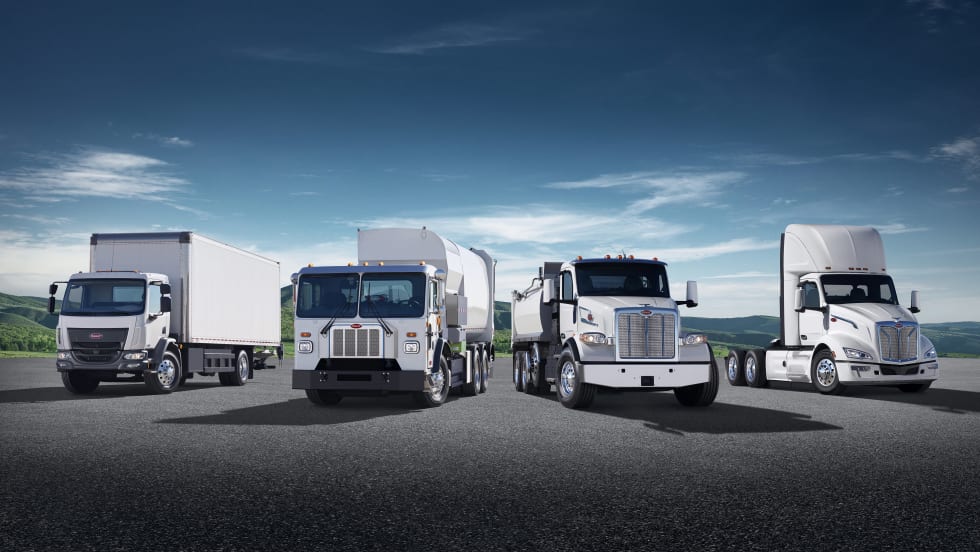
Peterbilt Expands Sourcewell Partnership with Electric Vehicle Lineup
The agreement aims to provide streamlined procurement of Peterbilt trucks for government, education, nonprofit and tribal organizations across the United States and Canada.
Read More →
EV Adoption & Charging Challenges
Where is your fleet in the journey of vehicle electrification? If you're still looking for answers to fleet electrification you've come to the right place.
Read More →
Hawaii Passes Clean Fuel Policy
Hawaii lawmakers passed clean fuel legislation that could support renewable natural gas production, biogas-powered transportation, and lower-carbon fueling options for public and commercial fleets.
Read More →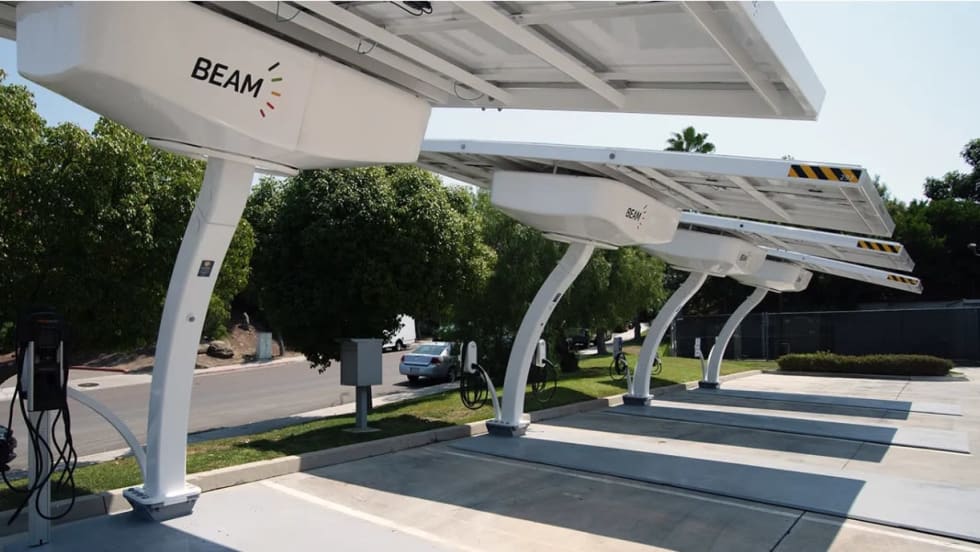
Stanislaus County Deploys Ten Beam Global EV ARC Systems to Support County Fleet Electrification
Stanislaus County deployed 10 off-grid solar-powered EV charging systems and a mobile charging trailer from Beam Global to support its electric fleet operations and emergency response flexibility.
Read More →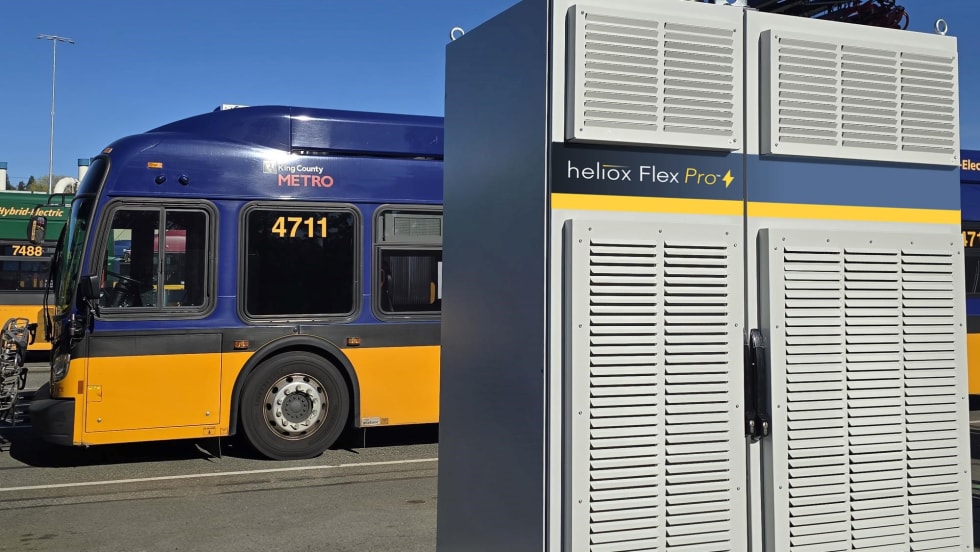
Heliox Pilots 480-kW Bus Charger with King County Metro
King County Metro is piloting Heliox’s new 480-kW Flex Pro charger to support expansion of its battery-electric bus fleet and depot charging infrastructure. The compact charging system supports pantograph and plug-in charging configurations for high-density transit operations.
Read More →