





Want More? US Army Expands Electrification Efforts
Massachusetts Air Force Base Kicks off Fleet Electrification Project
The installation of 17 EV charging stations has begun at several of 12 sites across the base. Charging stations will have the capacity to support 34 non-tactical vehicles at a time.
September 11, 2024
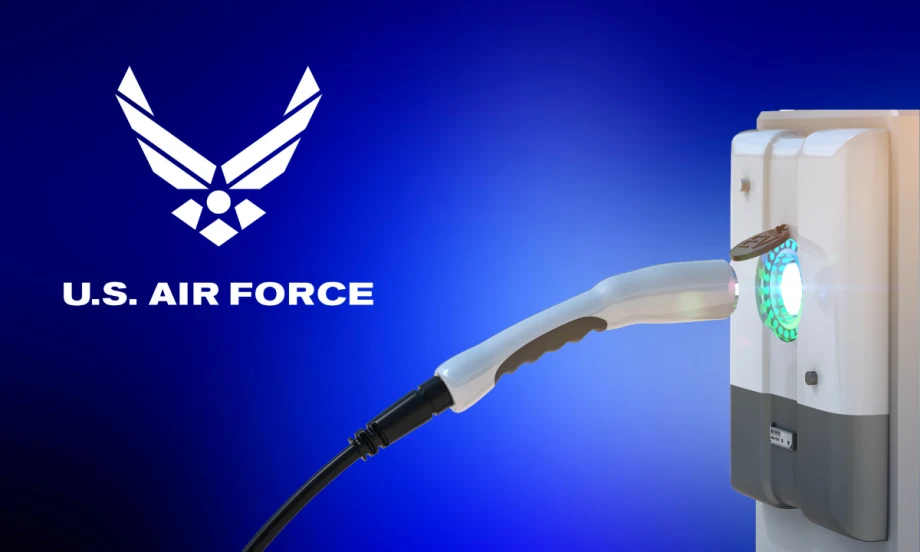
A 2023 study determined that of Hanscom’s government motor vehicle fleet, 139 vehicles would eventually be eligible for transition to electric.
Photo: U.S. Air Force/Government Fleet
2 min to read
The 66th Civil Engineering Division at Hanscom Air Force Base (AFB) in Massachusetts is beginning an energy infrastructure project to support the transition from gas-powered to electric vehicles on the base.
Initially, charging stations will only be used for government owned vehicles, as any electricity used for non-government purposes requires reimbursement. However, the Air Force is exploring the possibility of dual use for both government motor vehicles and privately owned vehicles, according to a news release.
Planning for Charging Infrastructure
The installation of 17 EV charging stations has begun at several of 12 sites across the base. Charging stations will have the capacity to support 34 non-tactical vehicles (NTV) — such as sedans, pick-up trucks, and minivans — at a time.
“This installation project prepares us for receiving electric vehicles,” said David Wong, 66 CED chief of engineering. “We didn’t want to receive vehicles without having infrastructure in place.”
The project is expected to be completed within six to eight months.
This initiative aligns with the Department of the Air Force’s Climate Action Plan, which mandates that 100% of all NTV acquisitions be EVs by 2035.
In support of this target, Hanscom AFB participated in the NTV Fleet Electrification Pilot Program in 2023, conducted by Office of the Deputy Assistant Secretary of the Air Force for Environment, Safety, and Infrastructure.
The study evaluated electric fleet opportunities and potential impacts across 50 installations, representing a diverse array of geographic conditions, missions, sizes, and tenants.
Officials determined that of Hanscom’s government motor vehicle fleet, 139 vehicles would eventually be eligible for transition to electric.
"We’re not going to give back all of the gas vehicles at once when the chargers are installed," Wong said. “It will happen over time. As the cycle comes up, if an eligible vehicle can be swapped out for an electric vehicle, it will be an electric vehicle when we get the new one.”
Other military branches are also exploring electrification opportunities. The U.S. Army Corps of Engineers and Army Materiel Command is leading the effort to help army bases and posts begin electrifying non-tactical vehicles and add charging infrastructure for both government and non-government vehicles.
More Green Fleet
Sustainability Partners, Energy Systems Group Help Albuquerque Close the Gap on its 100% Renewable Energy Goal
The eight-site, 6 MW solar project has advanced the city toward 100% renewable energy for municipal operations.
Read More →
Port Authority and CALSTART Launch $45 Million Electric Truck and Charging Programs
The programs aim to boost sustainable operations across the East Coast's busiest seaport.
Read More →
Moving Government Fleets Beyond the Vehicle Purchase: EV as a Service
A discussion on how EVaaS is moving beyond pilot programs and what fleets should consider before beginning a larger deployment.
Read More →
Moving Government Fleets Beyond the Vehicle Purchase: EV as a Service
As fleets move beyond small EV pilots, Sustainability Partners CEO Adam Cain explains how EVaaS can address the infrastructure and long-term planning required for larger deployments.
Read More →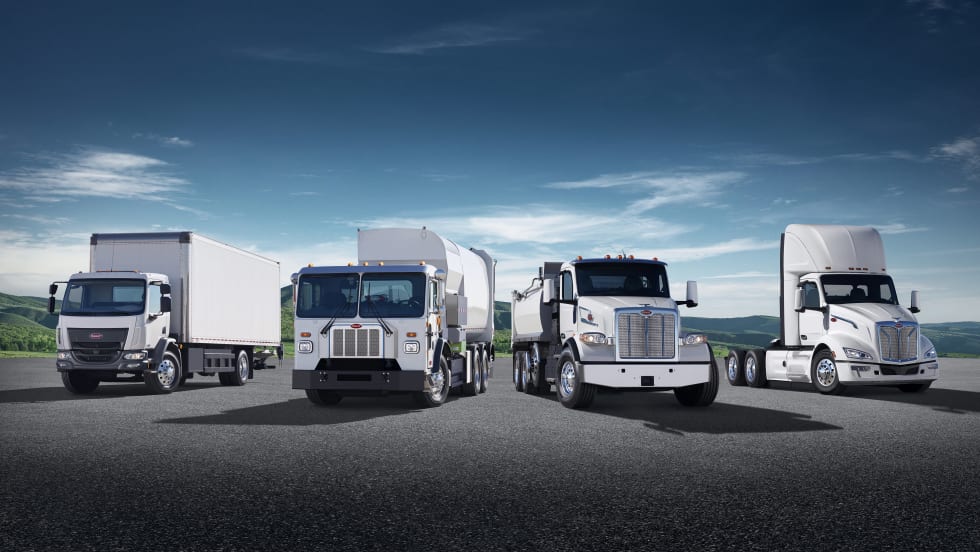
Peterbilt Expands Sourcewell Partnership with Electric Vehicle Lineup
The agreement aims to provide streamlined procurement of Peterbilt trucks for government, education, nonprofit and tribal organizations across the United States and Canada.
Read More →
EV Adoption & Charging Challenges
Where is your fleet in the journey of vehicle electrification? If you're still looking for answers to fleet electrification you've come to the right place.
Read More →
Hawaii Passes Clean Fuel Policy
Hawaii lawmakers passed clean fuel legislation that could support renewable natural gas production, biogas-powered transportation, and lower-carbon fueling options for public and commercial fleets.
Read More →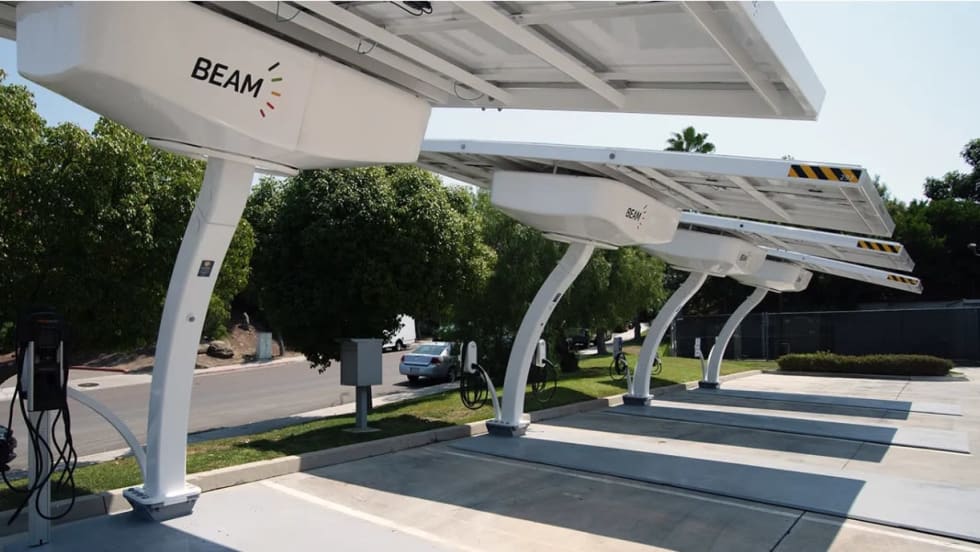
Stanislaus County Deploys Ten Beam Global EV ARC Systems to Support County Fleet Electrification
Stanislaus County deployed 10 off-grid solar-powered EV charging systems and a mobile charging trailer from Beam Global to support its electric fleet operations and emergency response flexibility.
Read More →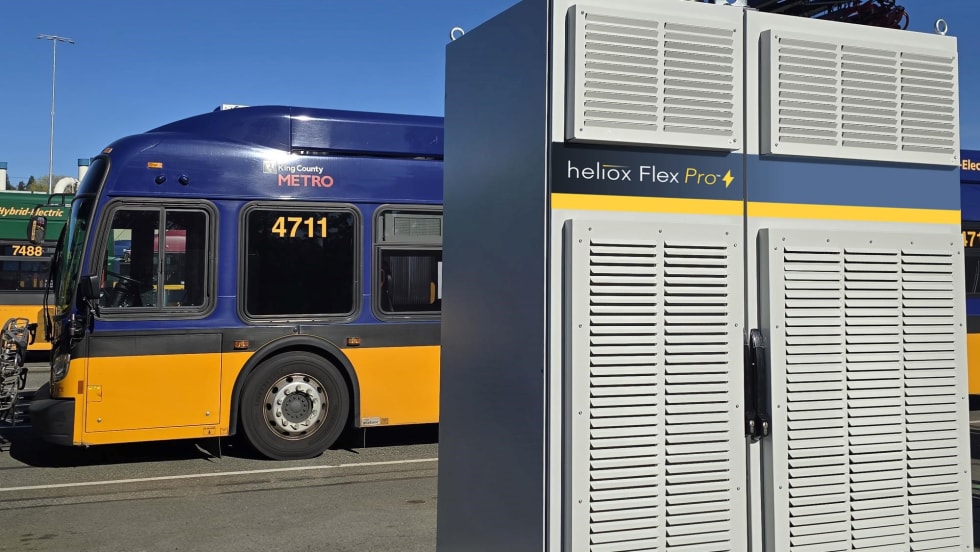
Heliox Pilots 480-kW Bus Charger with King County Metro
King County Metro is piloting Heliox’s new 480-kW Flex Pro charger to support expansion of its battery-electric bus fleet and depot charging infrastructure. The compact charging system supports pantograph and plug-in charging configurations for high-density transit operations.
Read More →