




Maine Awards Fuel Card Program Contract to WEX Inc.
Government Fleet spoke with WEX Inc.’s Bernie Kavanagh and the State of Maine’s Kevin Scheirer to find out how this contract will help the State reduce its fuel costs.

An image of the fuel card that employees of the State of Maine will use as part of the State's fuel card program with WEX Inc.

An image of the fuel card that employees of the State of Maine will use as part of the State's fuel card program with WEX Inc.
The State of Maine awarded a new fuel card contract to fuel card services provider WEX Inc. in February. Government Fleet spoke with WEX Inc.’s Bernie Kavanagh, VP of corporate payments, the State of Maine’s Kevin Scheirer, director of special projects for the State’s Department of Administrative and Financial Services (DAFS) Division of Purchases, and the State of Maine’s Mark Bailey, statistician for DAFS Central Fleet Management (CFM) to find out how this contract will help the State reduce its fuel costs.
The WEX contract specifies that the company will provide retail fuel card services primarily to State agencies in Maine for three years. It allows for drivers to use a State-issued fuel card to purchase all types of fuel at retail, including gasoline, diesel, alternative fuels, aviation fuel, and marine vessel fuel.
The contract has three, one-year potential renewal options. The major fleets that will be using the fuel card contract include Maine’s Department of Transportation, its Central Fleet Management division, its natural resources departments, and the State’s Department of Public Safety, according to WEX’s Kavanagh. In total, the contract covers 46 State agencies and 13 political subdivisions including various municipalities and sheriffs’ departments around the State totaling roughly 5,600 vehicles.
Before choosing WEX as the contract provider, the State issued an RFP in November 2012. WEX’s Kavanagh said WEX had a brief opportunity to conduct a live demonstration and to answer questions about the company’s system.
“The State of Maine believed that better rebates were available in the fuel card market, and the competitive process bore that out,” said Scheirer about the process.
According to DAFS’ Scheirer, the State will realize approximately $100,000 annually in additional rebates and other savings due to the new contract. The current contract provides approximately $45,000 annually in rebates.
“When you talk about savings, the program is used for savings in a couple of different ways,” explained WEX’s Kavanagh. “There is a fuel tax exemption at the time of invoice. There is a revenue share back to the State from WEX. There are also select merchant discounts, so some individual merchants have also offered up a cents-per-gallon rebate. We’ll manage that for them.”
In addition to these savings, the State plans to utilize some of the fuel card program’s features, including various transaction control options, in order to achieve greater savings in the future.
“We will continue to set parameters to allow a minimum number of transactions per day as well as limit the dollar amounts allowed per transaction and per day,” Maine’s DAFS’ Bailey said. “We also intend to set up soft controls to notify us about behavior that may be outside of normal policy, for example premium fuel purchases. We will also be setting a limit for non-fuel purchases to allow for the purchase of miscellaneous items such as wiper blades, fluids and car washes, but exclude regular maintenance repairs. As we become more familiar with WEX, we may use their system and guidance to set other guidelines as deemed appropriate.”
Beyond controlling transactions, the State plans to train its employees who drive fleet vehicles to use WEX’s “Octane” mobile app. This free mobile app is a fuel site locator that identifies the locations of nearby fuel stations in the WEX network and provides up-to-date transaction-based fuel prices. Octane also offers a text-to-speech safety capability enabling drivers to hear the directions to the nearest fueling station allowing them to concentrate on driving. The State also plans to utilize WEX’s data to better analyze vehicle fuel economy, driver behavior, and to identify potential fraud, Bailey said.
By Greg Basich
More Fuel
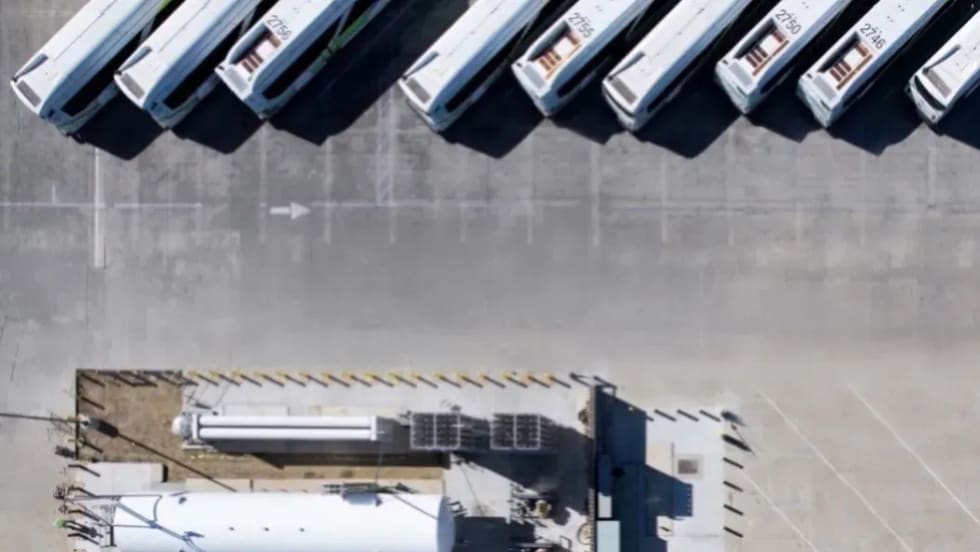
Clean Energy to Build Hydrogen Station for Orange County Transportation Authority
The new station will support the agency’s growing fleet of zero-emission hydrogen fuel cell buses.
Read More →
How Fleet Managers Reduce Fuel Waste and Protect Budgets
When fuel prices swing, fleet averages don’t tell the whole story. This white paper helps fleet and operations leaders uncover where fuel waste really hides and what data they need to build a smarter, more resilient fuel strategy.
Read More →
Planning for Future Technologies: Hydrogen and Beyond
As public agencies work to cut emissions from off-road operations, fleets are turning to a mix of renewable fuels, hybrid systems, battery-electric equipment and emerging hydrogen technology.
Read More →
RoadFlex Expands Fuel Network with Refuel Partnership
RoadFlex expands its fueling network for public sector fleets through a new partnership with Refuel, adding more than 250 locations across the Southeastern U.S. to improve access, savings, and efficiency.
Read More →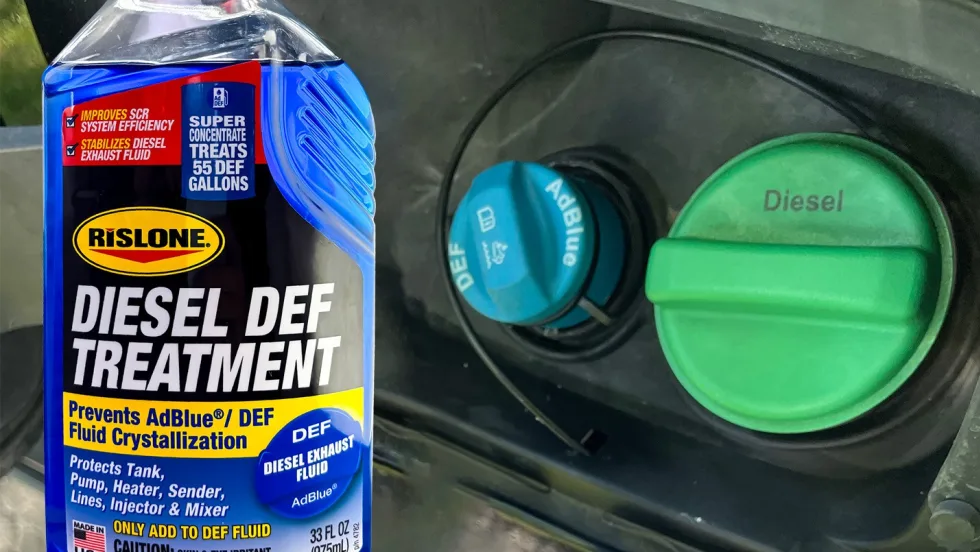
Rislone DEF Treatment Designed to Keep Diesel Exhaust Fluid Crystal-Free
Rislone is rolling out a super-concentrated version of its Diesel DEF Treatment that is designed to stabilize and improve diesel exhaust fluid.
Read More →
Are Bi-Fuel Propane Autogas Vehicles Making Law Enforcement Fleets More Resilient, Cost-Effective?
How a Florida sheriff office’s choice in fuel system led to a healthier budget, increased resiliency, and decreased emissions.
Read More →
Fleets All-In On Fuel Management Tech
Fuel management can become a tricky obstacle, but smart strategies and new tech have turned it into a well-oiled machine where price prediction is art, and cost control is science.
Read More →
Prepare Diesel Trucks for Winter with Diesel Exhaust Fluid
Understand proper DEF purchasing, handling, and storage practices in order to meet regulatory requirements and operates at peak performance.
Read More →
Diesel Exhaust Fluid (DEF) Locator
Yara, a diesel exhaust fluid (DEF) producer, offers a DEF locator website to help get the fluids fleets need.
Read More →
Gas vs. Diesel: The Bad Investment Only Fleet Managers Know About
A major point of debate in fleet management is using diesel vs. gas cars and trucks. Choosing to purchase gasoline engines instead of diesel ones for medium-duty trucks may be an unpopular decision, but is it the right one?
Read More →