




Related:
Ky. City Investigates Potential Tire Theft
Officials at the City of Ashland, Ky., are investigating a potential tire theft after they found that tire purchases in 2014 had increased 203% over the prior year, and there was inconsistent paperwork for these purchases.
by Staff
January 5, 2015
File photo
1 min to read

File photo
Officials at the City of Ashland, Ky., are reviewing fleet tire purchases after a routine audit showed discrepancies in paperwork generated from the city’s fleet maintenance garage, the city announced. The review revealed a 203% increase in the cost of tires purchased in fiscal-year 2014 over the prior year.
The review also showed that routine internal paperwork for the tire purchases were incomplete or absent. Employees are required to submit this paperwork upon completion of work on any fleet vehicle. In addition to the increased spending on tires, the inconsistent paperwork raised concerns that theft may have occurred.
The Ashland Police Department and the Office of the Attorney General are investigating the potential loss.
In regards to the criminal investigation, the Police Department released the following facts:
In fiscal-year 2013, the city spent $81,210 on tires for its vehicles. Previous year totals averaged near $100,000.
In fiscal-year 2014, the city spent $246,255.50 on tires, representing a 203% year-over-year increase.
In fiscal-year 2014, work orders and inventory support $102,002 of completed tire related labor. $144,253.50 of tire purchases are unsupported by documentation.
More Operations
What Can Disappear After a Fleet Crash?
This week, we look at drone footage, what fleets should document before repairs begin, and share a quick poll.
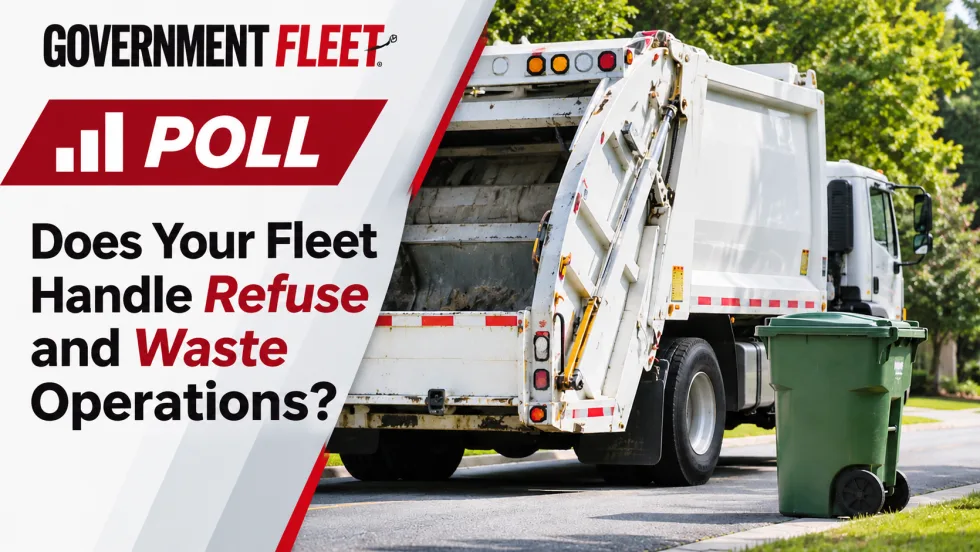
Does Your Government Fleet Handle Refuse and Waste Operations? Take Our Poll
Government Fleet wants to hear from public-sector fleet professionals about their responsibilities for refuse collection and waste management equipment.
Fleet Replacement Decisions, Waste Fleet Technology and the GFX Deadline
Is your next vehicle the right fit, can your records settle a missed pickup dispute, and what could your fleet teach others at GFX 2027?
Is Delaying Fleet Replacement Really Saving Money?
Could delaying replacement cost your fleet more than it saves? This week’s recap takes a closer look, plus an update on GFX 2027.

What Government Fleets Are Missing About Their True Costs
What are fleet budgets missing, and how can agencies use the data they already collect to make a stronger case for change?
Rethinking Fleet Decisions From the Budget Office to the Shop
This October we looked back at how public fleets are reconsidering familiar processes and using what they learn to make better decisions.
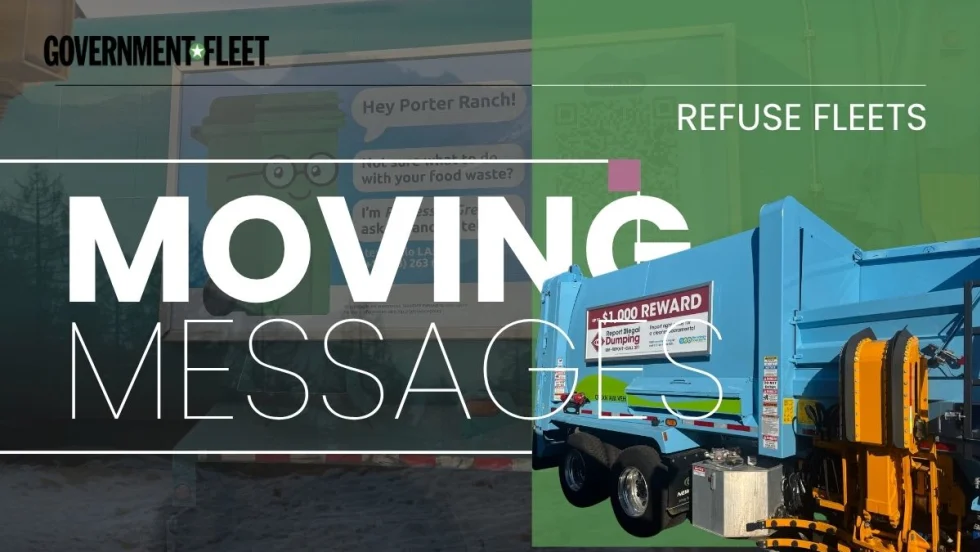
Who Owns the Message on a Refuse Truck?
Refuse trucks can carry public messages into neighborhoods, but keeping those messages current takes planning and clear responsibility.
Who Deserves Fleet Recognition and What Could You Teach at GFX?
Who helped shape your fleet career, and what have you learned that could help someone else?

What’s Haunting Public Sector Fleets?
Public sector fleet challenges rarely happen in isolation, and addressing one often means understanding how it connects to another.
Is Keeping Older Fleet Vehicles Really Saving Money?
Is keeping vehicles longer saving money, and what happens when a diagnostic test points to the wrong fix?