




Iowa Considering Vehicle Options to Save Money
With total estimated vehicle costs for its 3,000-plus fleet totaling more than $30 million, the state is exploring ways to save money.
With estimated vehicle costs for the state's fleet totaling more than $30 million in the current fiscal year, the state of Iowa is considering all cost-cutting measures, according to the Des Moines Register.
Total estimated vehicle costs for the state's 3,000-plus fleet are $21 million in the current fiscal year - nearly $9 million for maintenance and $12 million for nonmaintenance expenses, which include vehicle purchases and insurance, according to the Department of Administrative Services.
Rep. Christopher Rants, R-Sioux City, who has argued that many of the state's vehicles sit unused for much of the year, offered a provision in a budget bill in the 2009 session to defer vehicle purchases for 16 months. The proposal excluded emergency vehicle purchases and would have allowed for exceptions when purchasing is less costly than alternatives. Democrats rejected the proposal because they said more time was needed to study the issue. Some Democrats have said the idea has possibilities and will be further considered in the legislative session that begins in January, according to the Register.
A 16-month deferral during a typical year could save the state $9 million to $12 million upfront but could cost more in the long run in maintenance costs, according to administrative services officials. The key is striking the appropriate balance, both Republicans and Democrats acknowledge, reported the Register.
Other ideas include leasing vehicles as needed for state business and reimbursement on personal vehicles. Leasing may, however, boost taxpayer costs, according to a 2007 Legislative Services Agency study. A separate study by the administrative services department shows that owning rather than leasing saves Iowa nearly $1.2 million a year when considering the five most common vehicle types, reported the Register.
For personal vehicles and reimbursement, the state may end up spending roughly $3.4 million more a year, based on the 22.5 million miles state employees drove in passenger vehicles in the last fiscal year. However, under that scenario, the state wouldn't purchase passenger vehicles, which cost the state roughly $2.3 million in the last fiscal year, according to the Register.
More Operations
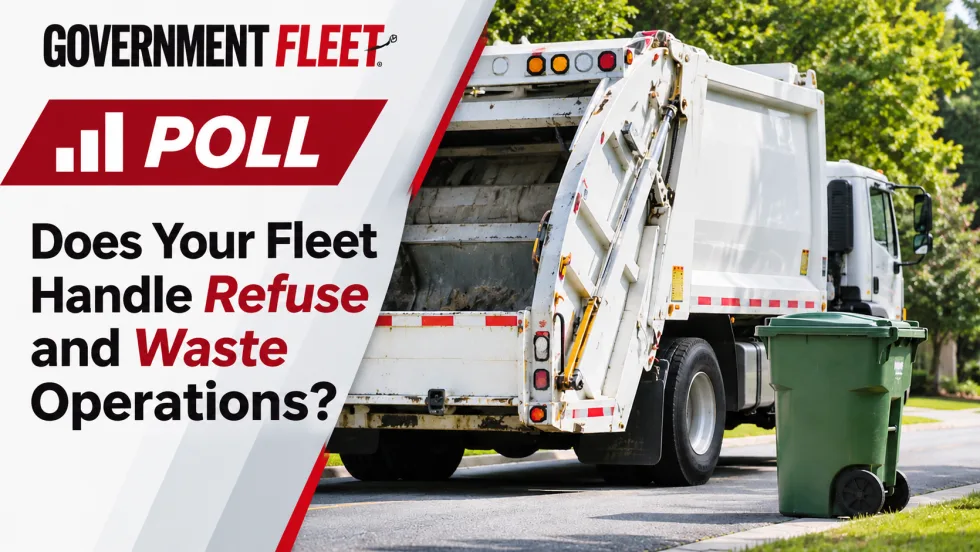
Does Your Government Fleet Handle Refuse and Waste Operations? Take Our Poll
Government Fleet wants to hear from public-sector fleet professionals about their responsibilities for refuse collection and waste management equipment.
Read More →
Fleet Replacement Decisions, Waste Fleet Technology and the GFX Deadline
Is your next vehicle the right fit, can your records settle a missed pickup dispute, and what could your fleet teach others at GFX 2027?
Read More →
Is Delaying Fleet Replacement Really Saving Money?
Could delaying replacement cost your fleet more than it saves? This week’s recap takes a closer look, plus an update on GFX 2027.
Read More →
What Government Fleets Are Missing About Their True Costs
What are fleet budgets missing, and how can agencies use the data they already collect to make a stronger case for change?
Read More →
Rethinking Fleet Decisions From the Budget Office to the Shop
This October we looked back at how public fleets are reconsidering familiar processes and using what they learn to make better decisions.
Read More →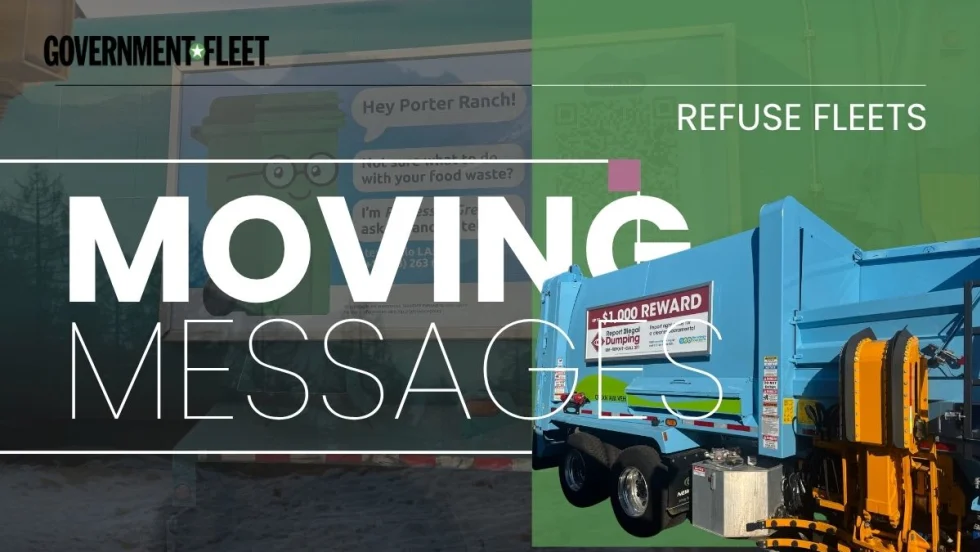
Who Owns the Message on a Refuse Truck?
Refuse trucks can carry public messages into neighborhoods, but keeping those messages current takes planning and clear responsibility.
Read More →
Who Deserves Fleet Recognition and What Could You Teach at GFX?
Who helped shape your fleet career, and what have you learned that could help someone else?
Read More →
What’s Haunting Public Sector Fleets?
Public sector fleet challenges rarely happen in isolation, and addressing one often means understanding how it connects to another.
Read More →
Is Keeping Older Fleet Vehicles Really Saving Money?
Is keeping vehicles longer saving money, and what happens when a diagnostic test points to the wrong fix?
Read More →
How Smart Fleet Strategy Can Help Local Government Agencies Do More with Less
Keeping a vehicle longer may ease this year’s budget, but what does it cost the next one? A closer look at fleet decisions can reveal opportunities to reduce spending while protecting essential services.
Read More →